check

check

check

check

check

check
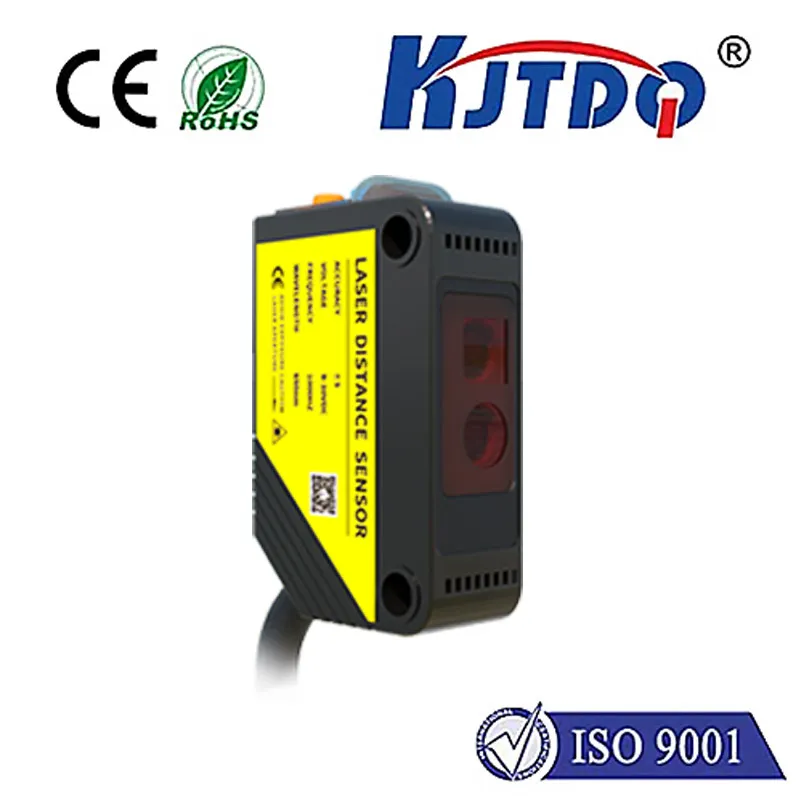
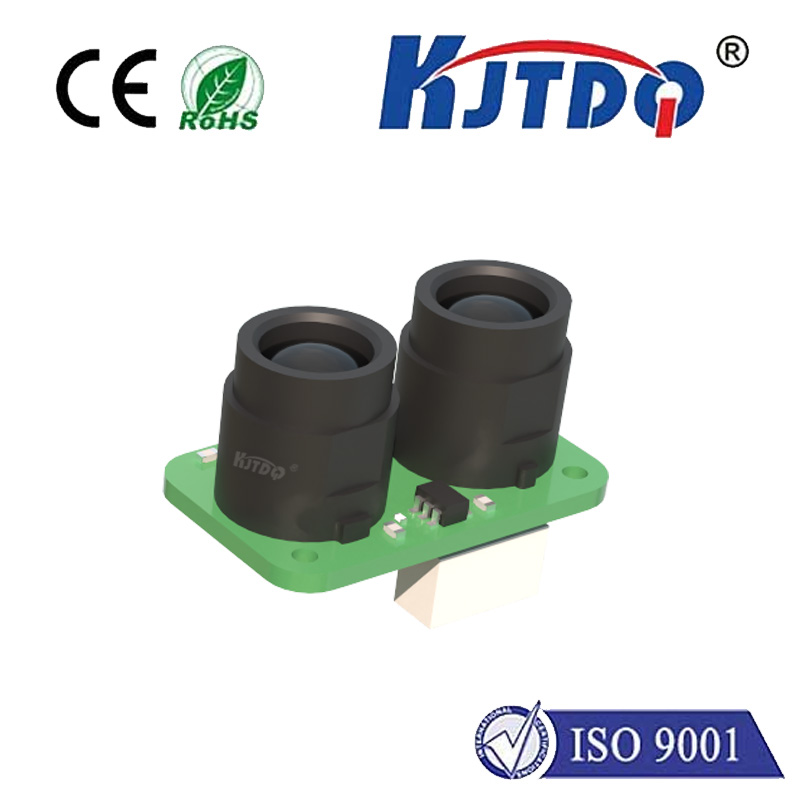
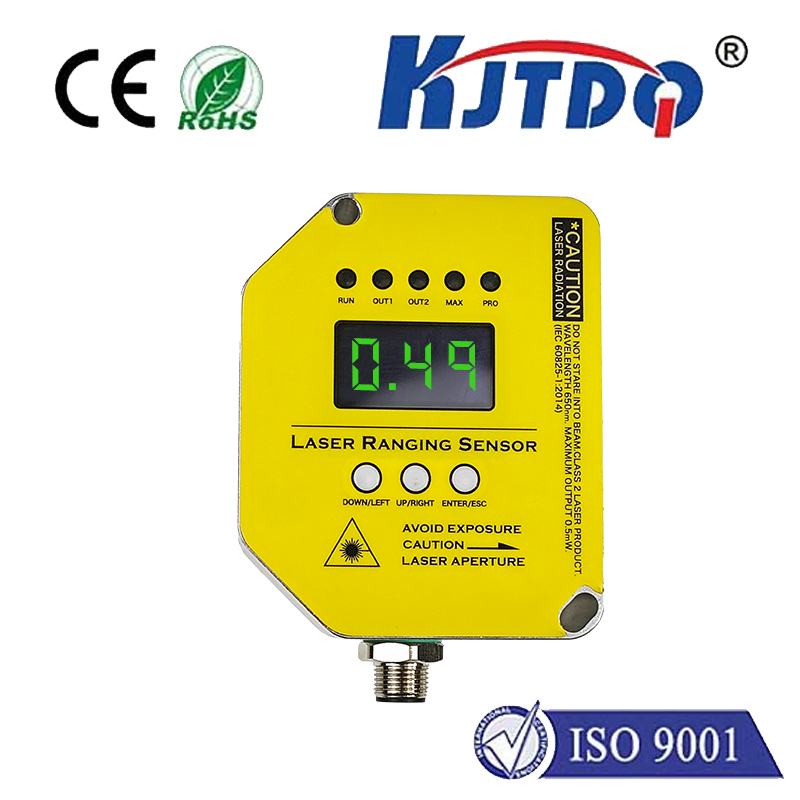
In the world of precision measurement and automation, accuracy is not just a preference; it's a fundamental requirement. The Linear Laser Rangefinder Sensor stands as a cornerstone technology, enabling industries to achieve levels of precision that were once thought impossible. This device, often simply called a laser distance sensor, operates on a straightforward yet powerful principle: it emits a focused beam of laser light towards a target and calculates the distance by measuring the time it takes for the light to reflect back to the sensor. This Time-of-Flight (ToF) method provides non-contact, high-speed, and incredibly accurate distance readings, making it indispensable across a vast array of applications.
Unlike traditional measurement tools like tape measures or ultrasonic sensors, linear laser rangefinders offer superior performance in challenging environments. They are largely unaffected by ambient noise, dust, or varying surface textures and colors, although extreme conditions like highly reflective or absorbent materials may require specific sensor calibration. The core advantages are clear: micron-level resolution, long measurement ranges that can extend to hundreds of meters, and millisecond-level response times. This combination allows for real-time monitoring and control, a critical feature in dynamic industrial settings.
The practical applications of Linear Laser Rangefinder Sensors are extensive and transformative. In industrial automation, they are the eyes of robotic arms, guiding precise pick-and-place operations, ensuring consistent product assembly, and conducting automated quality inspections by verifying dimensions and detecting surface defects. Within the realm of logistics and warehousing, these sensors manage inventory levels by measuring the height of materials in silos or on pallets, and they guide Automated Guided Vehicles (AGVs) through warehouses with pinpoint accuracy. The construction and surveying sectors rely on them for land leveling, building information modeling (BIM), and monitoring structural deformations over time. Even in emerging fields like autonomous vehicles, laser rangefinders contribute to LiDAR systems, helping map the surrounding environment in 3D.
When integrating a Linear Laser Rangefinder Sensor into a system, several key specifications demand attention. The measuring range defines the minimum and maximum distances the device can accurately cover. The resolution indicates the smallest distance change it can detect, while accuracy defines the margin of error between the measured and true distance. Output interfaces, such as analog voltage/current, digital protocols (RS-232, RS-485), or industrial Ethernet (EtherCAT, PROFINET), determine how the sensor communicates with programmable logic controllers (PLCs) or other host systems. Environmental ratings for ingress protection (IP) are crucial for ensuring reliable operation in dusty, humid, or washdown conditions typical in factories.
Selecting the right sensor involves a careful analysis of the application's needs. For high-speed production lines, a sensor with a fast response time and a robust digital interface is paramount. For outdoor use in construction, a model with a high IP rating and resistance to temperature fluctuations is essential. It is also vital to consider the properties of the target material and the ambient light conditions, as these factors can influence performance. Consulting with technical specialists and reviewing detailed datasheets can prevent costly mismatches between the sensor's capabilities and the task at hand.
Looking ahead, the evolution of Linear Laser Rangefinder Sensor technology continues. Trends point towards even smaller form factors, lower power consumption, and enhanced smart features like integrated data processing and wireless connectivity. These advancements will further democratize their use, making high-precision measurement accessible to smaller enterprises and more innovative applications. From smart factories and intelligent infrastructure to advanced robotics, the linear laser rangefinder remains a critical enabler of efficiency, safety, and quality.
Ultimately, the implementation of a Linear Laser Rangefinder Sensor is a strategic investment in operational excellence. It replaces guesswork and manual intervention with reliable, quantifiable data. This leads to reduced material waste, minimized downtime, improved product quality, and enhanced overall productivity. By delivering exact measurements at the speed of light, this technology empowers engineers and operators to build, control, and innovate with unprecedented confidence and precision.