check

check

check

check

check

check
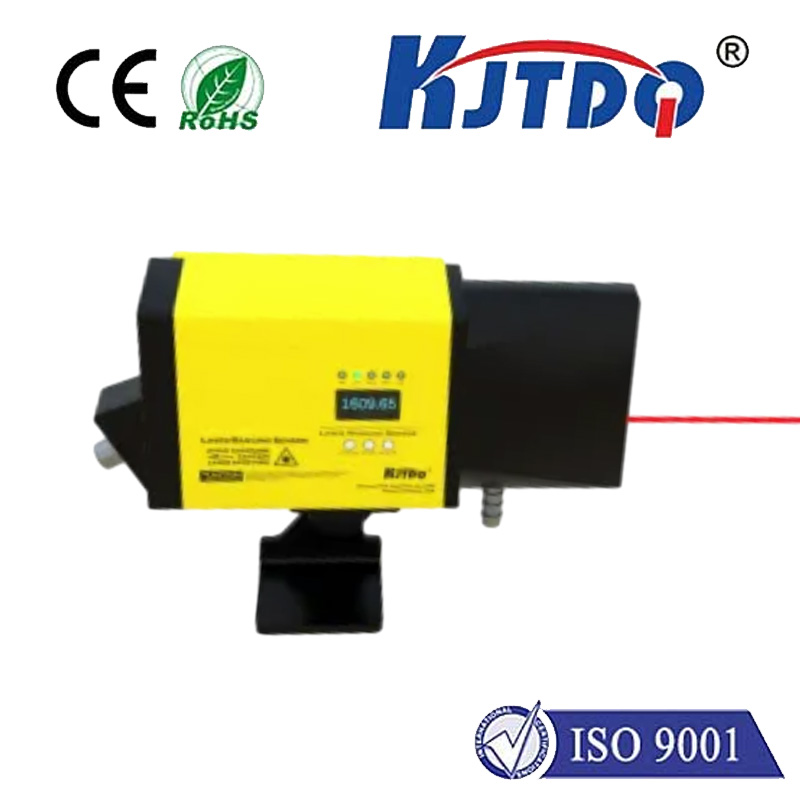
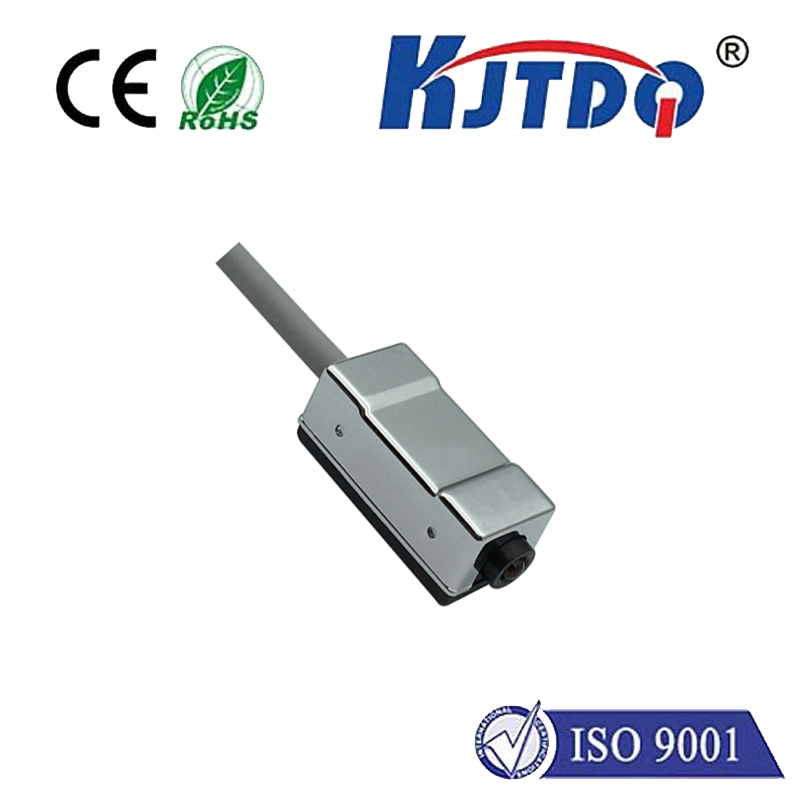
In the fast-paced world of modern manufacturing, precision is not just a goal; it's a fundamental requirement. The ability to measure minute distances, detect subtle surface variations, and ensure component accuracy directly impacts product quality, production efficiency, and operational safety. This is where the industrial laser displacement sensor emerges as a critical tool, offering non-contact, high-speed, and incredibly accurate measurement solutions that are transforming factory floors and production lines globally.
Unlike traditional contact-based measurement tools that can mar surfaces or slow down processes, laser displacement sensors operate on a simple yet powerful principle. They project a focused laser beam onto a target object. The sensor's receiver then detects the position of the reflected light spot. By calculating the angle or the phase shift of the returned beam, the sensor determines the exact distance to the target with micron-level resolution. This non-contact method is ideal for measuring delicate, hot, fast-moving, or otherwise inaccessible objects without causing any wear or interference.
The applications for these sensors are vast and varied across numerous industries. In automotive manufacturing, they are indispensable for inspecting body panel gaps, measuring tire tread depth, and verifying the precise positioning of engine components. In the electronics sector, they ensure the coplanarity of chip leads, measure solder paste thickness on PCBs, and verify the flatness of display screens. From monitoring the thickness of rolled steel in metal processing to controlling the fill level in pharmaceutical packaging, laser displacement sensors provide the reliable data needed for stringent quality control.
Key advantages drive their widespread adoption. First is their exceptional accuracy and repeatability, capable of detecting changes as small as a few micrometers. Second is their high-speed response, allowing for real-time measurement on fast-moving production lines, enabling 100% inline inspection rather than slower sample-based checks. Their robustness is another major benefit; designed for industrial environments, they are often housed in rugged casings resistant to dust, moisture, oil, and vibration. Furthermore, their versatility is enhanced by various measurement modes, including diffuse reflection for standard surfaces and through-beam or specular reflection for specialized applications like transparent object measurement or mirror-like surfaces.
When selecting an industrial laser displacement sensor, several technical specifications demand careful consideration. The measuring range defines the minimum and maximum distances over which the sensor can operate accurately. Resolution indicates the smallest distance change the sensor can detect. The linearity error specifies the maximum deviation from a perfect straight line in the sensor's output over its measuring range. Spot size is crucial as it affects the sensor's ability to measure small features or edges. Finally, the sampling rate determines how many measurements per second the sensor can perform, which is vital for high-speed applications.
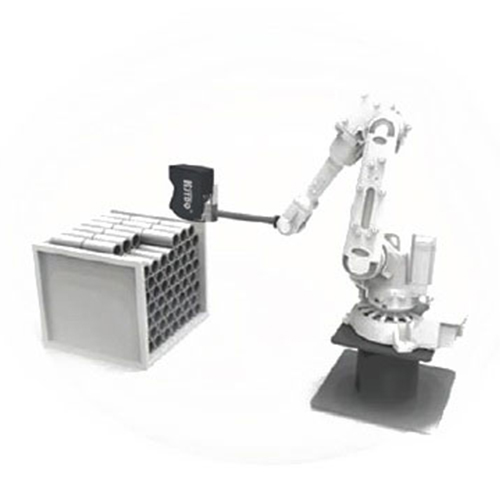
Integration into automated systems is seamless. Modern sensors come with various digital and analog output options, such as Ethernet, EtherCAT, RS-232, or 4-20mA signals, allowing them to communicate directly with PLCs, robots, and data acquisition systems. This integration facilitates closed-loop control processes, where measurement data is instantly used to adjust machinery, correct errors, and trigger sorting mechanisms, creating a truly intelligent and adaptive manufacturing environment.
Looking ahead, the evolution of industrial laser displacement sensors continues. Trends include the development of even smaller form factors for integration into compact machinery, enhanced connectivity for Industry 4.0 and IoT frameworks, and smarter sensors with built-in analysis capabilities. These advancements promise to further elevate their role in predictive maintenance, process optimization, and the creation of fully digitalized production twins.
In conclusion, the industrial laser displacement sensor is far more than just a measuring device. It is a cornerstone of precision engineering and automated quality assurance. By delivering fast, reliable, and non-contact distance data, it empowers manufacturers to achieve higher quality standards, reduce waste, increase throughput, and maintain a competitive edge in an increasingly demanding global market. For any operation where precision matters, implementing the right laser displacement sensor is a strategic investment in productivity and excellence.