check

check

check

check

check

check
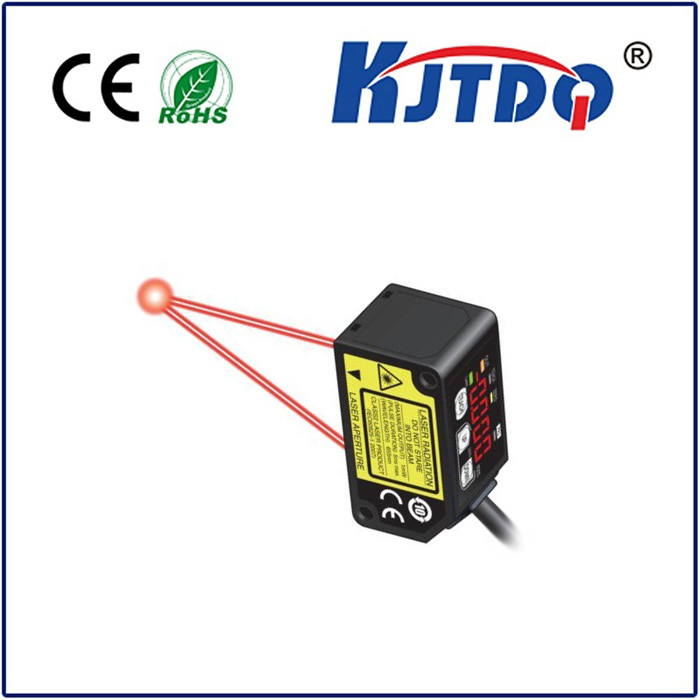
In the realm of precise measurement and spatial awareness, the domestic laser rangefinder sensor has emerged as a cornerstone technology. These sophisticated devices, developed and manufactured with increasing expertise locally, are revolutionizing how industries and professionals gauge distance with unparalleled accuracy and reliability. Unlike traditional measuring tools, a domestic laser rangefinder sensor operates by emitting a laser beam towards a target. The sensor then calculates the time it takes for the beam to reflect back, translating this data into an exact distance measurement. This fundamental principle enables non-contact, high-speed, and highly accurate readings, making these sensors indispensable across a diverse spectrum of applications.
The evolution of domestic production in this field signifies a major leap in technological self-reliance and quality. Manufacturers are now producing laser rangefinder sensors that rival, and in some cases surpass, international counterparts in terms of performance metrics like range, accuracy, and durability. Key advancements include improved laser diode efficiency, enhanced signal processing algorithms, and robust housing designs that protect sensitive components from environmental factors such as dust, moisture, and mechanical shock. This focus on ruggedness ensures consistent performance in demanding conditions, from construction sites to outdoor surveying projects.
One of the primary sectors benefiting from this technology is construction and civil engineering. Here, domestic laser rangefinder sensors are integral tools for tasks ranging from initial land surveying and site planning to interior layout and structural verification. Contractors use them to quickly measure room dimensions, calculate areas and volumes for material estimation, and ensure alignments are true. The speed and precision they offer reduce human error, save considerable time on the job site, and contribute to more efficient project management and cost control.
Beyond construction, the application of these sensors is remarkably broad. In forestry and agriculture, they assist in measuring tree heights, canopy density, and plot boundaries, facilitating better resource management. The sports and recreation industry utilizes them in golf, hunting, and archery for determining precise distances to flags or targets. Furthermore, they are becoming critical components in emerging technologies like autonomous vehicles, robotics, and drones, where real-time, accurate environmental perception is non-negotiable for navigation and obstacle avoidance. Even in smart home systems and security setups, compact laser rangefinder sensors can be used for presence detection and spatial mapping.
For potential users, selecting the right domestic laser rangefinder sensor involves considering several key specifications. The maximum measuring range is paramount, with options available from short-range models for indoor use to long-range units for outdoor surveying. Measurement accuracy, typically within a few millimeters, is another critical factor. Additional features to evaluate include the type of display, data connectivity options (like Bluetooth for transferring measurements to a smartphone or tablet), battery life, and any specialized functions such as continuous tracking, area calculation, or Pythagoras mode for indirect measurements.
The advantages of opting for a domestically produced sensor are multifaceted. Firstly, it often ensures better accessibility to customer support, readily available spare parts, and warranties that are easier to claim. Secondly, domestic manufacturers can be more responsive to specific market needs and regulatory standards within the region. Finally, supporting local innovation fosters the growth of the national tech ecosystem, driving further research and development that leads to even more advanced and cost-effective solutions in the future.
In conclusion, the domestic laser rangefinder sensor represents a mature and highly capable technology that is empowering professionals and hobbyists alike. Its ability to deliver fast, precise, and reliable distance data is enhancing productivity, safety, and innovation across countless fields. As domestic manufacturing continues to advance, we can expect these sensors to become even more integrated into our daily workflows and technological infrastructures, solidifying their role as essential tools for the modern world. The commitment to quality and innovation within the local industry ensures that these devices are not just alternatives, but often the preferred choice for precise measurement challenges.