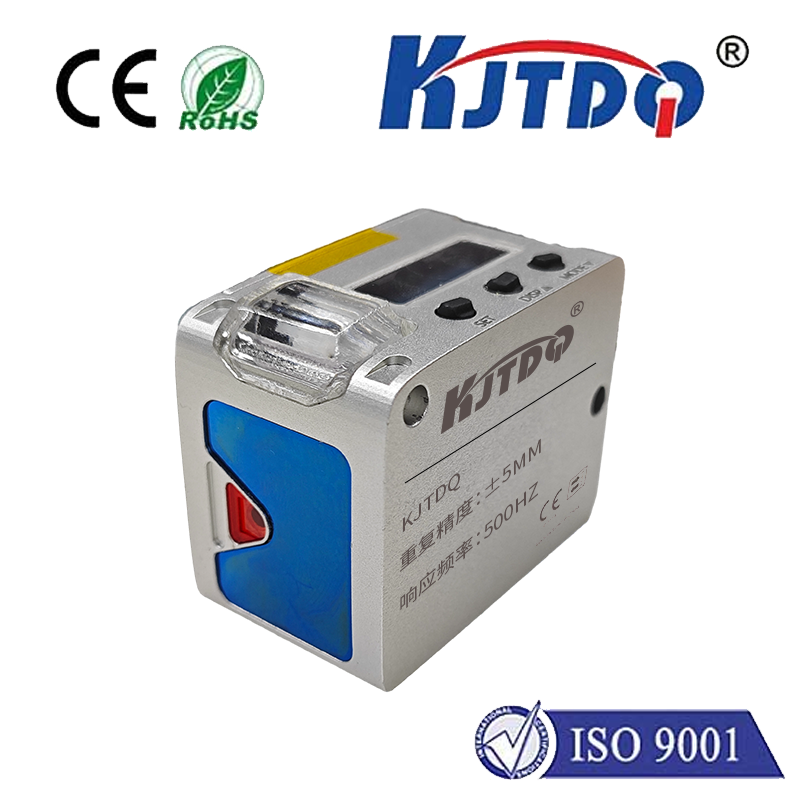
check

check

check

check

check

check
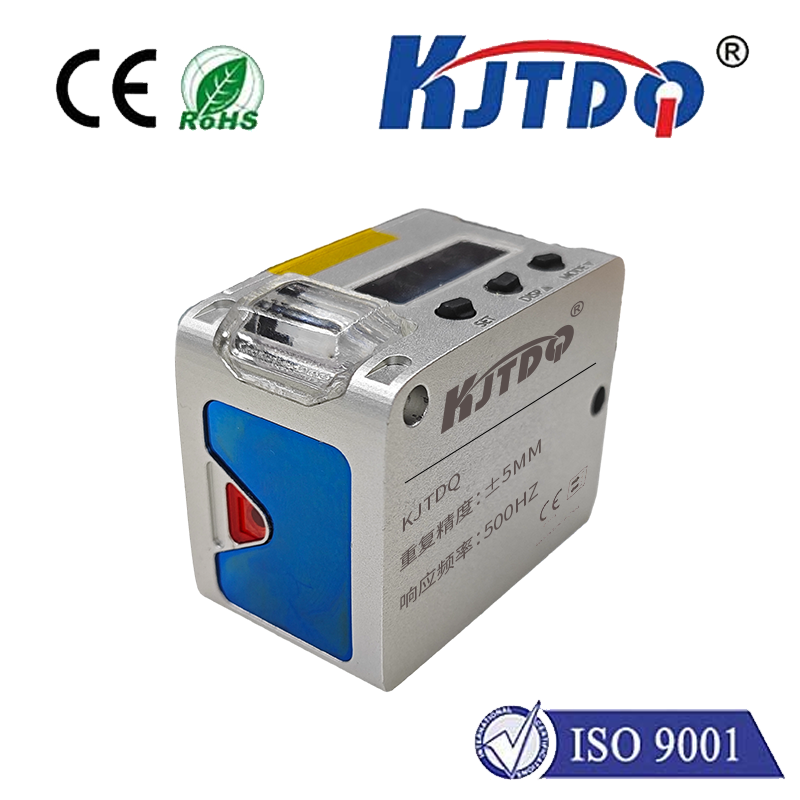
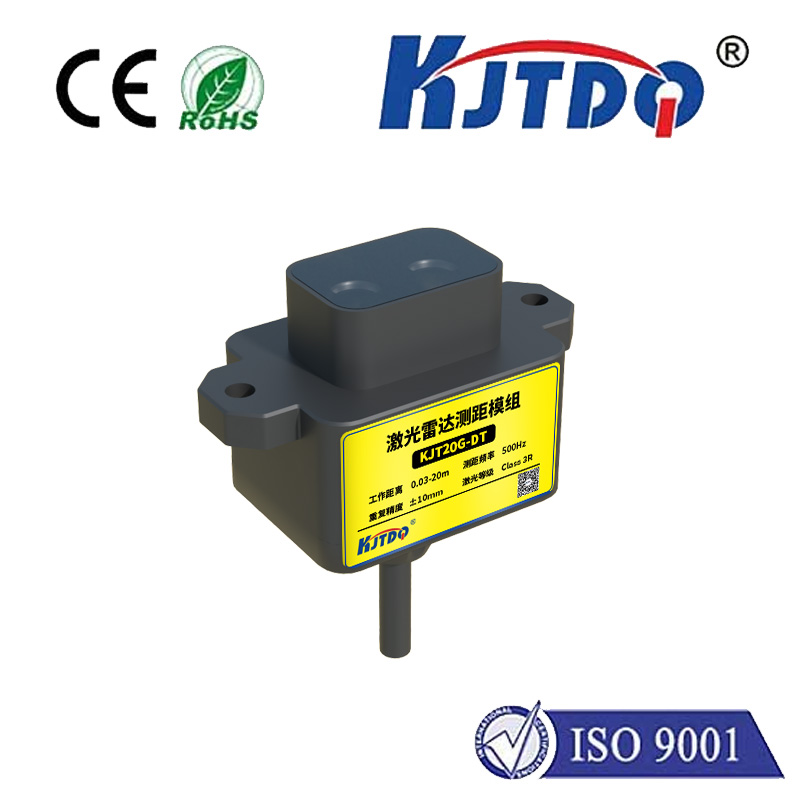
In today's fast-paced technological landscape, the demand for accurate and reliable distance measurement tools has never been greater. Among the various solutions available, the high-frequency laser rangefinder sensor stands out as a pivotal innovation, offering unparalleled precision and speed. This advanced sensor technology utilizes laser pulses emitted at a high frequency to measure distances with exceptional accuracy, making it indispensable across numerous industries.
The core principle behind a high-frequency laser rangefinder sensor involves emitting laser beams towards a target and calculating the time it takes for the light to reflect back. By operating at a high frequency, these sensors can capture multiple data points in rapid succession, reducing errors caused by environmental factors like ambient light or minor target movements. This results in measurements that are not only precise but also consistent, even in challenging conditions. For instance, in construction and surveying, professionals rely on these sensors to map terrains, monitor structural integrity, and ensure alignment with architectural plans. The ability to deliver real-time data enhances efficiency and minimizes costly mistakes.
Beyond traditional fields, high-frequency laser rangefinder sensors are revolutionizing sectors such as autonomous vehicles, robotics, and industrial automation. In self-driving cars, these sensors provide critical input for obstacle detection and navigation, enabling vehicles to perceive their surroundings with millimeter-level accuracy. Similarly, in manufacturing, robots equipped with such sensors can perform intricate tasks like assembly or quality inspection with minimal human intervention. The high-frequency operation ensures that dynamic environments are monitored continuously, supporting adaptive responses that improve safety and productivity.
Another significant advantage is the sensor's versatility in diverse applications. From agriculture, where it aids in crop monitoring and yield estimation, to security systems that detect intrusions with pinpoint accuracy, the technology adapts to various needs. Its compact design and low power consumption further make it suitable for integration into portable devices and IoT ecosystems. Users benefit from a tool that combines robustness with ease of use, often featuring user-friendly interfaces and connectivity options for data analysis.
Despite its advanced capabilities, the high-frequency laser rangefinder sensor remains accessible due to ongoing innovations that reduce costs. Manufacturers are continually refining components to enhance durability and performance while expanding compatibility with software platforms. This evolution ensures that businesses of all sizes can leverage cutting-edge measurement solutions without prohibitive investments. As industries increasingly prioritize automation and data-driven decision-making, the role of these sensors will only grow, driving progress in smart cities, environmental monitoring, and beyond.
In summary, the high-frequency laser rangefinder sensor represents a leap forward in measurement technology, blending speed, accuracy, and adaptability. Its impact spans from everyday tools to complex industrial systems, underscoring its value in a connected world. By delivering reliable data in real time, it empowers professionals to achieve higher standards of excellence and innovation.