check

check

check

check
check
check
check
check

check

check
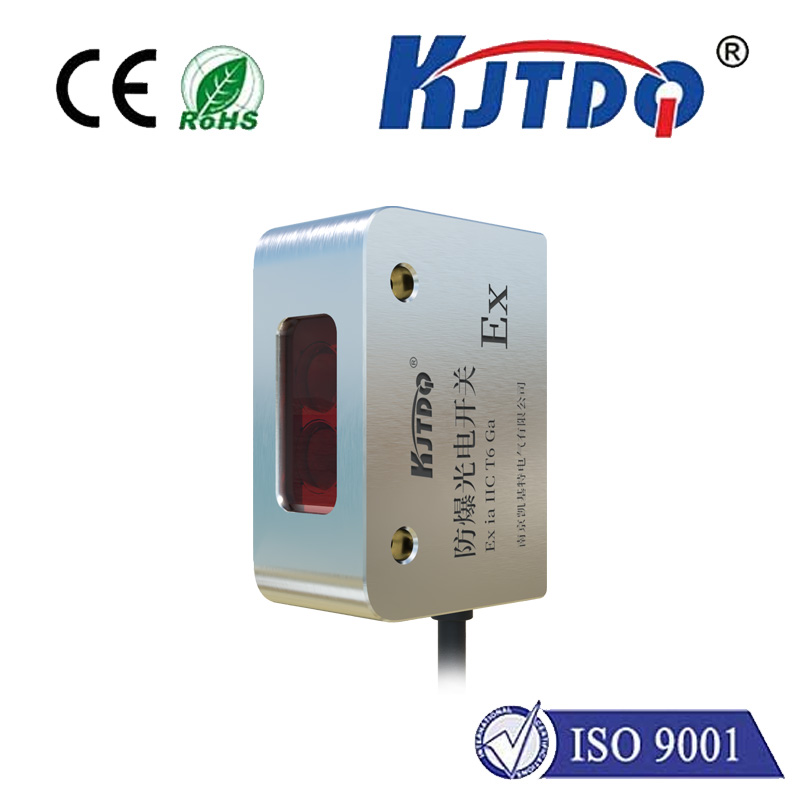
In today's fast-paced industrial and technological landscape, accuracy and efficiency are paramount. The range laser sensor, a cutting-edge device, has emerged as a critical tool for achieving these goals. By emitting laser beams and measuring the time it takes for them to reflect off objects, these sensors provide precise distance data, enabling applications across various sectors. From manufacturing and robotics to automotive safety and environmental monitoring, range laser sensors are revolutionizing how we interact with and control our surroundings.
One of the primary advantages of range laser sensors is their high precision. Unlike traditional sensors that may rely on mechanical components or less accurate methods, laser-based systems offer micrometer-level accuracy. This makes them ideal for tasks such as quality control in production lines, where even minor deviations can lead to significant defects. For instance, in automotive assembly, range laser sensors ensure that parts are aligned correctly, reducing waste and improving overall product reliability. Additionally, their non-contact nature minimizes wear and tear, leading to longer lifespans and lower maintenance costs.
Another key benefit is the versatility of range laser sensors. They can operate in diverse environments, from harsh industrial settings with extreme temperatures to outdoor areas with varying light conditions. Advanced models are equipped with features like ambient light suppression and dust resistance, ensuring consistent performance. In robotics, these sensors enable autonomous navigation by creating detailed maps of surroundings, allowing machines to avoid obstacles and optimize paths. Similarly, in agriculture, they assist in precision farming by measuring crop heights and soil levels, promoting sustainable practices.
The integration of range laser sensors with IoT and AI technologies further amplifies their impact. By connecting sensors to cloud-based platforms, real-time data can be analyzed to predict maintenance needs or optimize processes. For example, in smart cities, these sensors monitor traffic flow and pedestrian movements, enhancing safety and reducing congestion. Moreover, in healthcare, they facilitate non-invasive medical imaging and patient monitoring, contributing to better diagnostic outcomes. As technology evolves, the demand for compact, energy-efficient sensors is growing, driving innovations in miniaturization and power management.
Despite their advantages, challenges remain, such as cost and complexity in calibration. However, ongoing research aims to address these issues, making range laser sensors more accessible. With trends like Industry 4.0 and autonomous systems gaining traction, the future looks promising for these devices. By offering unparalleled accuracy and adaptability, range laser sensors are set to play a pivotal role in shaping a smarter, more efficient world.