check

check

check

check

check

check
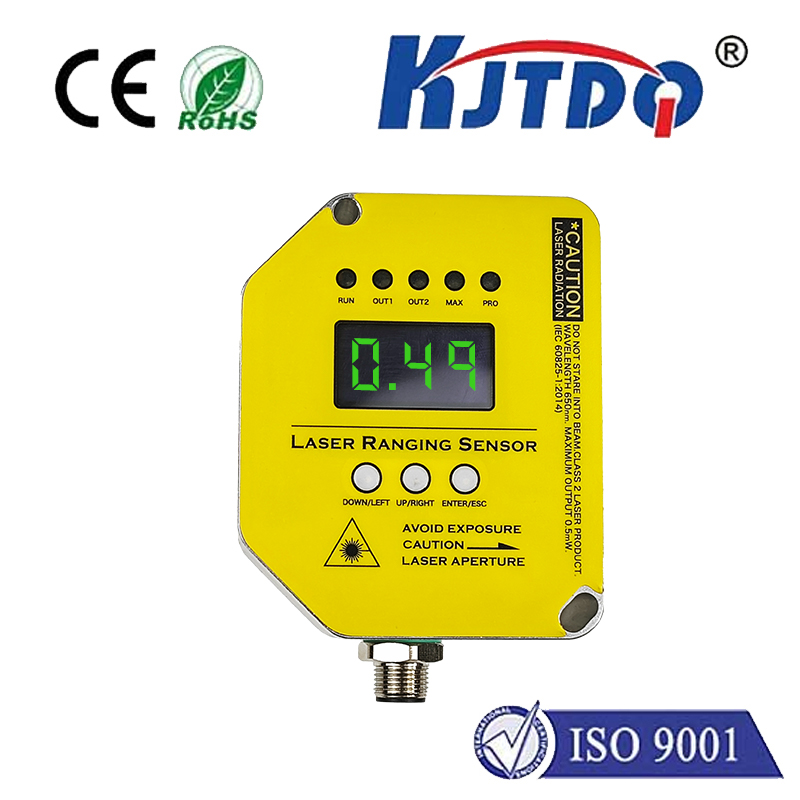
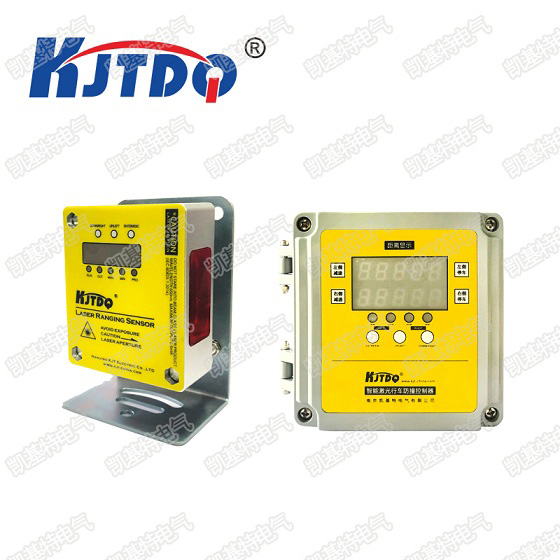
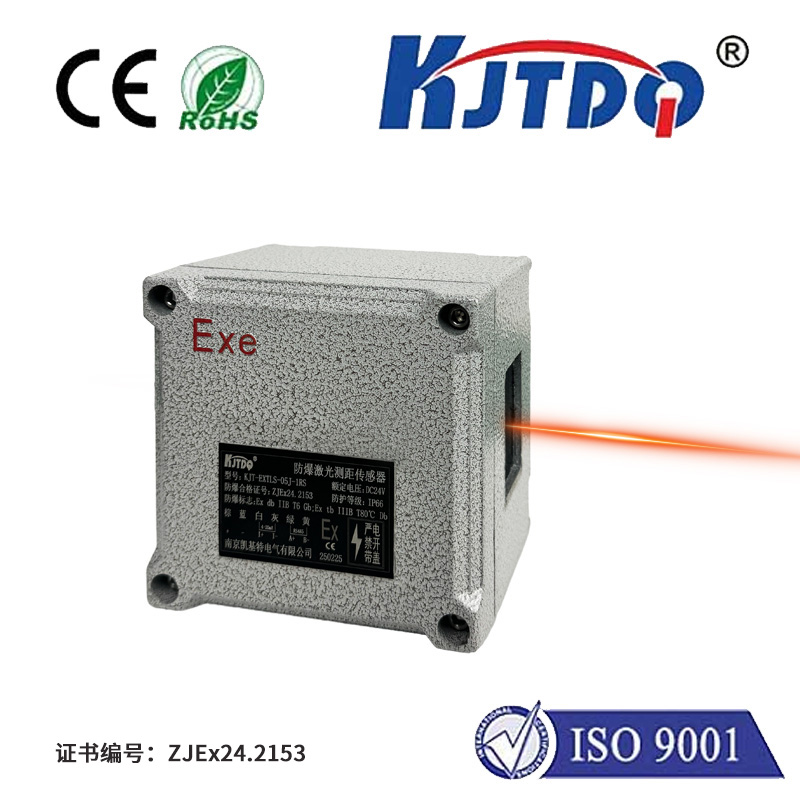
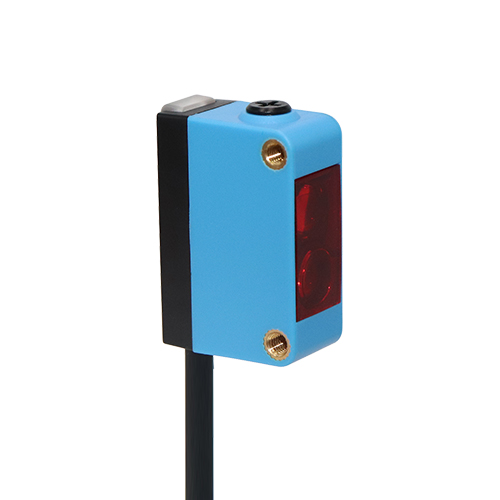
In the realm of precise distance measurement, the 1-meter laser rangefinder sensor stands as a cornerstone technology, enabling accuracy and efficiency across a diverse spectrum of industries. Unlike bulkier, traditional measuring tools, this compact sensor utilizes a focused laser beam to calculate distances with remarkable precision, typically within millimeter-level accuracy at its one-meter operational range. The core principle involves emitting a laser pulse towards a target and measuring the time it takes for the reflection to return. This time-of-flight (ToF) data is then processed to deliver an instantaneous and highly reliable distance reading.
The applications for a reliable 1-meter laser sensor are vast and growing. In industrial automation, these sensors are integral to robotics, providing critical feedback for positioning, object detection, and assembly line monitoring. They ensure robotic arms move with exacting precision, picking and placing components without error. In the consumer electronics sector, they are the enabling technology behind features like autofocus enhancement in smartphones and gesture recognition in interactive devices. Furthermore, the construction and surveying fields utilize these tools for quick, non-contact measurements of interiors, alignments, and layouts, significantly speeding up project timelines while reducing human error.
A key advantage of the modern 1-meter laser rangefinder sensor is its integration capability. Designed with digital interfaces like I2C, UART, or PWM, it can be seamlessly embedded into larger systems, from DIY Arduino projects to sophisticated industrial control units. This plug-and-play functionality democratizes access to high-precision measurement. Developers and engineers can focus on application logic rather than the complexities of sensor calibration. The sensor's low power consumption and robust design, often featuring resilience against ambient light interference, make it suitable for both indoor and controlled outdoor environments.
When selecting a 1-meter laser rangefinder sensor, several technical specifications demand attention. Accuracy and resolution are paramount; look for sensors that specify their error margin clearly. Measurement frequency, or how many readings per second the sensor can provide, is crucial for dynamic applications. The operating voltage range and communication protocol must be compatible with the host system. Additionally, consider physical factors like the size of the laser spot and the sensor's performance under various surface materials and colors, as highly reflective or absorbent targets can affect readings.
The evolution of this technology points towards even smaller form factors, lower costs, and enhanced intelligence. Future iterations may incorporate on-chip data processing for filtered and averaged readings, or multi-sensor fusion combining distance data with other environmental parameters. As the Internet of Things (IoT) expands, these sensors will become ubiquitous nodes, feeding real-world measurement data into digital twins and smart systems.
For hobbyists, researchers, and professional engineers alike, integrating a 1-meter laser rangefinder sensor opens doors to innovation. Whether it's building a smart tape measure, creating a precision liquid level monitor, or developing an automated inventory system, this sensor provides the fundamental metric of distance with trusted accuracy. Its value lies not just in the raw data it provides, but in the solutions and efficiencies it enables, making it an indispensable tool in the toolkit of modern technological development.