check

check

check

check

check

check
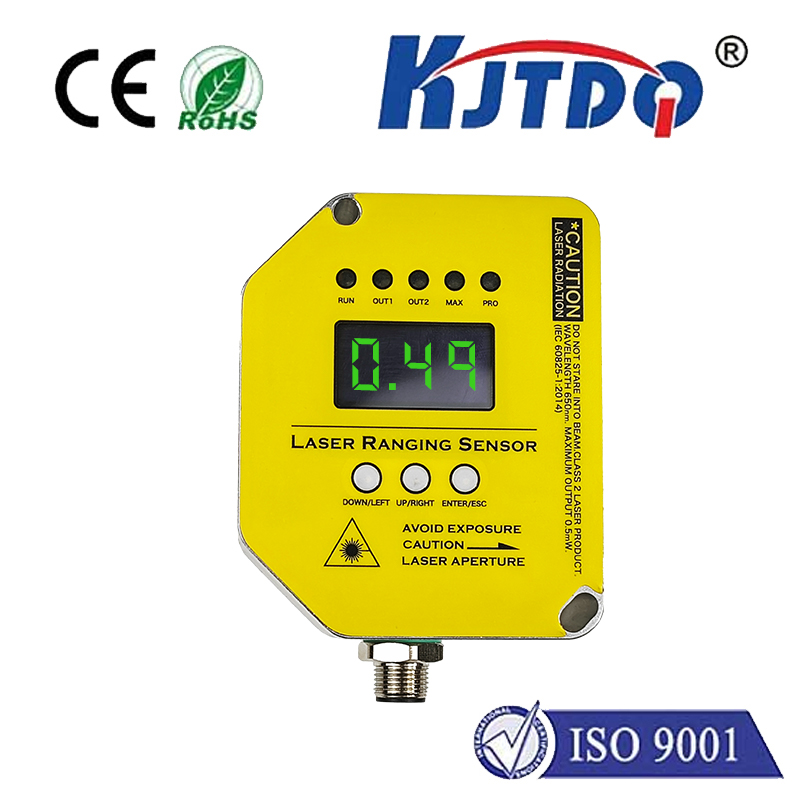
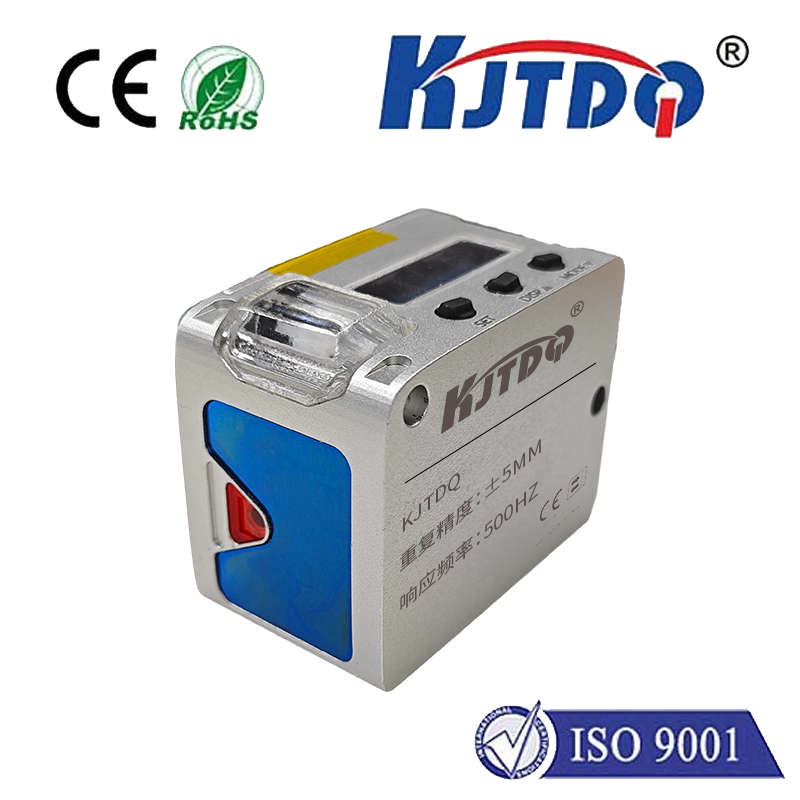
The landscape of industrial automation and precision measurement is undergoing a significant transformation, driven largely by innovations in domestic laser sensor technology. These sophisticated devices, which utilize laser beams to detect, measure, or profile objects with exceptional accuracy, are no longer solely the domain of international manufacturers. A new wave of domestic producers is rising, offering competitive, high-quality solutions that cater to a global market's evolving needs. This shift is empowering industries from manufacturing and logistics to robotics and smart infrastructure with more accessible and reliable sensing capabilities.
At the core of this progress is the fundamental principle of laser sensing. A laser diode emits a concentrated beam of light. When this beam encounters an object, its properties—such as the time it takes to return (Time-of-Flight), the triangulation angle, or the pattern of the reflected light—are altered. The sensor's receiver and processing unit analyze these changes to calculate precise data like distance, position, thickness, or presence. Domestic manufacturers have made substantial strides in refining these core technologies, achieving micron-level precision and high-speed response times that rival established global brands. This enhanced performance is crucial for applications requiring meticulous quality control, such as in semiconductor fabrication or automotive assembly lines.
The advantages of sourcing domestic laser sensors extend beyond technical specifications. Supply chain resilience has become a paramount concern for businesses worldwide. Relying on local or national suppliers for critical components like laser sensors mitigates risks associated with international logistics delays, geopolitical tensions, and fluctuating tariffs. Companies can enjoy shorter lead times, more responsive customer support, and easier collaboration on custom solutions. This proximity fosters a partnership model where sensor specifications can be tailored to specific, challenging industrial environments, whether it's a sensor that must operate reliably in extreme temperatures, resist intense vibration, or interface seamlessly with proprietary machinery software.
Furthermore, the integration of advanced features is a hallmark of modern domestic laser sensors. Many models now come equipped with intelligent functionalities such as built-in IO-Link communication. This allows for real-time parameter adjustment, predictive maintenance alerts, and seamless data integration into Industry 4.0 and IoT ecosystems. A domestic sensor on a packaging line, for instance, can not only detect a missing label with pinpoint accuracy but also instantly communicate the fault to the central control system, triggering a corrective action without human intervention. This level of smart connectivity enhances overall operational efficiency and reduces downtime.
Applications for these advanced domestic sensors are vast and growing. In automated guided vehicles (AGVs) and mobile robots, laser sensors provide essential navigation and obstacle avoidance, ensuring safe and efficient movement in dynamic warehouses. In the renewable energy sector, they are used for precise alignment in solar panel manufacturing and inspection. Even in everyday consumer electronics production, laser sensors verify component placement and product dimensions with relentless consistency. The adaptability of laser technology—through diffuse, retro-reflective, or through-beam sensing modes—ensures a solution for nearly every detection challenge, from transparent glass bottles to highly reflective metal surfaces.
Looking ahead, the trajectory for domestic laser sensor technology is pointed firmly upward. Continued investment in research and development is focusing on areas like multi-pixel technology for detailed profile scanning, enhanced environmental robustness, and even greater miniaturization. As domestic expertise deepens and production scales, the cost-performance ratio of these sensors is expected to improve further, making high-precision automation accessible to small and medium-sized enterprises. This democratization of technology will accelerate innovation across all sectors of the economy.
In conclusion, the emergence of capable domestic laser sensor manufacturers represents more than just an alternative supply option. It signifies a maturation of local technological ecosystems, contributing to greater industrial independence and innovation agility. For engineers, system integrators, and plant managers, evaluating domestic laser sensors is now a strategic imperative. These components offer a compelling combination of precision, reliability, smart features, and supply chain security, forming the invisible yet critical backbone of the modern automated world. Choosing a domestic laser sensor is an investment in cutting-edge capability and operational resilience.