check

check

check

check

check

check
In industries where volatile atmospheres are a constant reality, such as oil and gas, chemical processing, mining, and pharmaceutical manufacturing, the need for reliable and safe measurement technology is paramount. Traditional sensors often fall short, posing significant risks of ignition. This is where the explosion-proof laser displacement sensor emerges as a critical technological solution, designed to deliver high-precision measurements without compromising on safety.
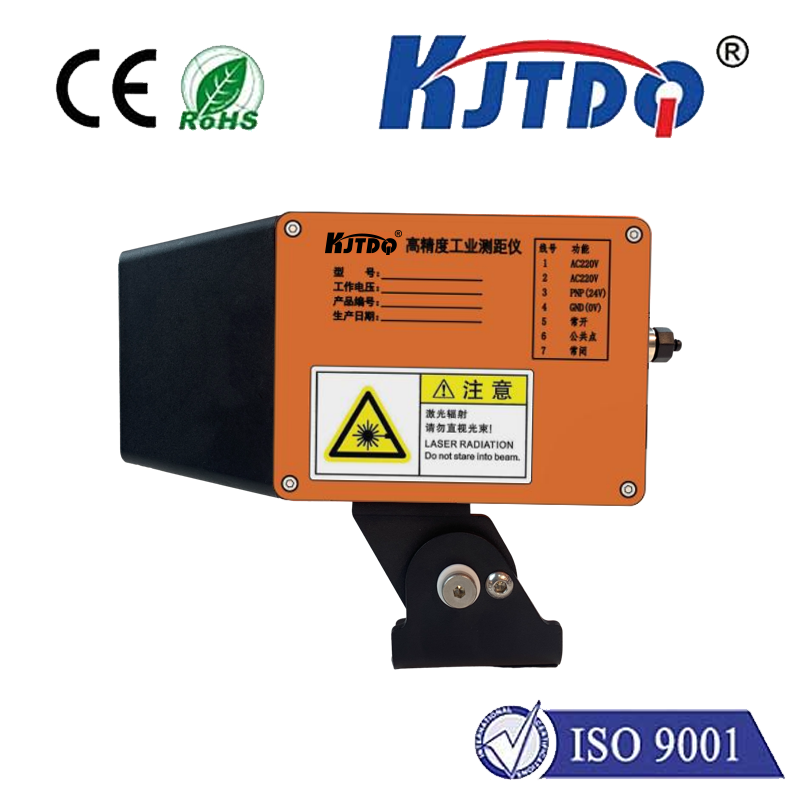
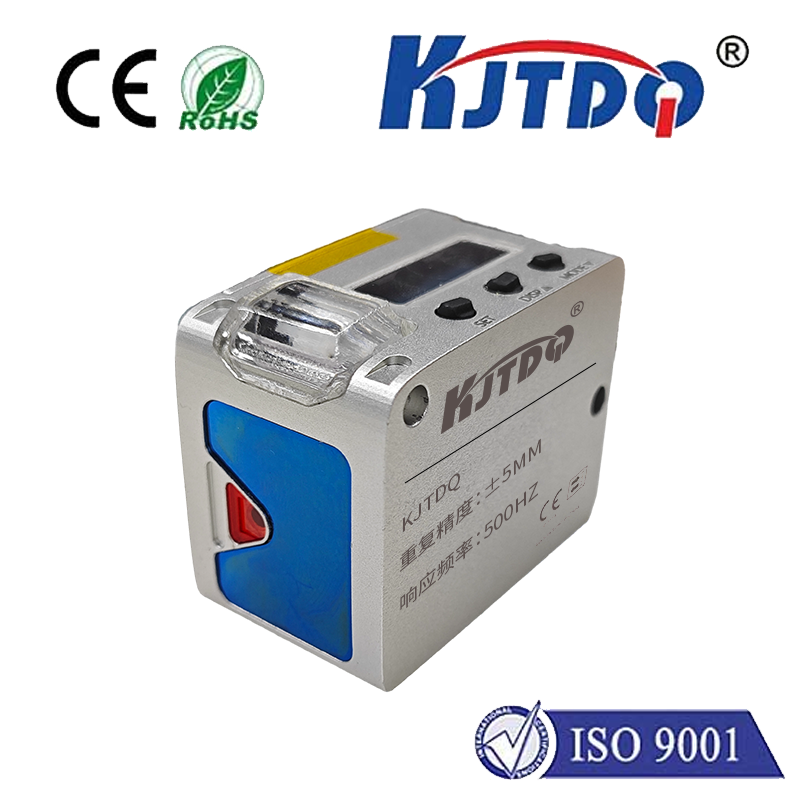
An explosion-proof laser displacement sensor is engineered to contain any potential spark or thermal effect within its robust housing, preventing it from igniting the surrounding flammable gases, vapors, or dust. This certification, often meeting stringent standards like ATEX, IECEx, or UL, is not merely an add-on but a fundamental design principle. The core technology remains the laser triangulation method. A focused laser beam is projected onto the target surface, and the reflected light is captured by a receiving lens at a specific angle. The displacement of the target causes a shift in the position of the light spot on the sensor's detector, which is then calculated with exceptional accuracy to determine distance or position.
The advantages of deploying these specialized sensors in hazardous areas are substantial. First and foremost is enhanced safety. By eliminating ignition sources, they protect personnel, infrastructure, and the environment from catastrophic events. Secondly, they offer non-contact measurement. This is crucial for monitoring moving, hot, soft, or otherwise delicate surfaces without causing wear or interference. The high precision and repeatability, often in the micrometer range, ensure consistent quality control in processes like thickness monitoring of coatings, vibration analysis of machinery, or fill level detection in tanks containing flammable liquids.
Furthermore, modern explosion-proof laser displacement sensors are built for resilience. They typically feature housings made from stainless steel or other durable alloys, resistant to corrosion, impact, and extreme temperatures. Their design ensures they can withstand harsh industrial environments, including exposure to dust, moisture, and chemical splashes. This durability translates to reduced downtime and lower maintenance costs, as the sensors continue to perform reliably over extended periods.
Integration into existing control systems is streamlined through various analog and digital output options, such as 4-20mA, 0-10V, or industrial Ethernet protocols like EtherCAT or PROFINET. This allows for real-time data acquisition and seamless communication with PLCs (Programmable Logic Controllers) and SCADA (Supervisory Control and Data Acquisition) systems, enabling proactive process adjustments and predictive maintenance strategies.
Consider a practical application in a petrochemical refinery. Monitoring the precise alignment and vibration of large rotating equipment like compressors or turbines within a Zone 1 hazardous area is essential for preventing failures. An explosion-proof laser sensor can provide continuous, real-time displacement data, alerting operators to any anomalous movements that could indicate bearing wear or imbalance, all while guaranteeing operational safety. Similarly, in grain silos or flour mills where combustible dust is a hazard, these sensors can accurately measure inventory levels without risk.
Selecting the right explosion-proof laser displacement sensor requires careful consideration of several factors. The specific hazardous area classification (Zone, Division, gas group, temperature class) must match the sensor's certification. Key performance parameters include measuring range, resolution, linearity, and response speed to ensure it meets the application's accuracy demands. Environmental factors like ambient temperature fluctuations and potential obstructions in the line of sight must also be evaluated.
In conclusion, the explosion-proof laser displacement sensor represents a fusion of precision metrology and intrinsic safety engineering. It is an indispensable tool for industries operating under the constant threat of explosive atmospheres. By providing accurate, non-contact, and reliable measurement data, it not only safeguards lives and assets but also drives efficiency, optimizes processes, and ensures stringent quality standards are maintained in the most challenging working conditions. Investing in this technology is a strategic move towards smarter, safer, and more productive industrial operations.