check

check

check

check
check
check
check
check

check

check
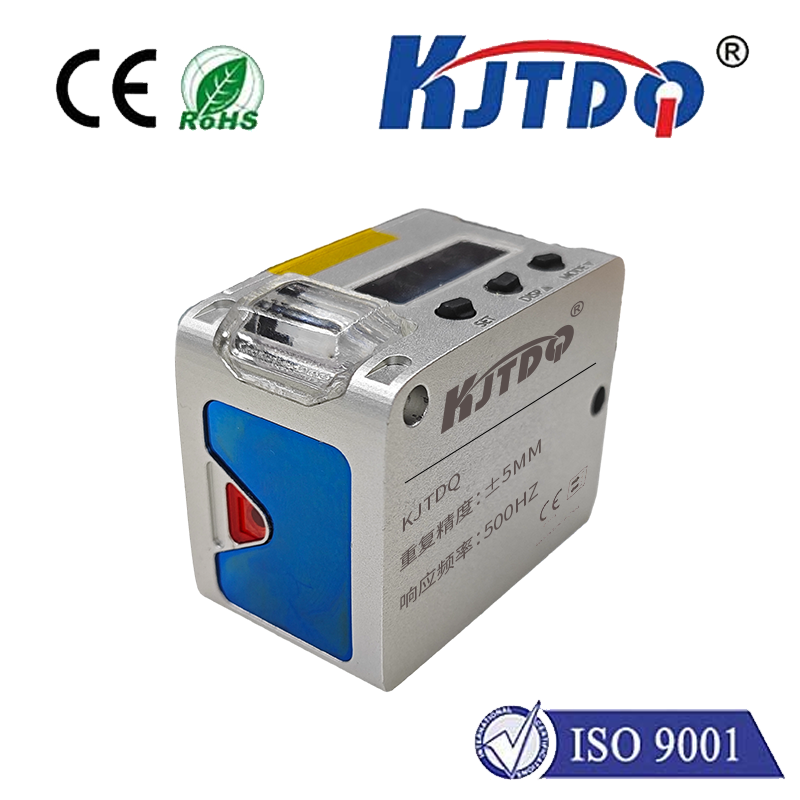
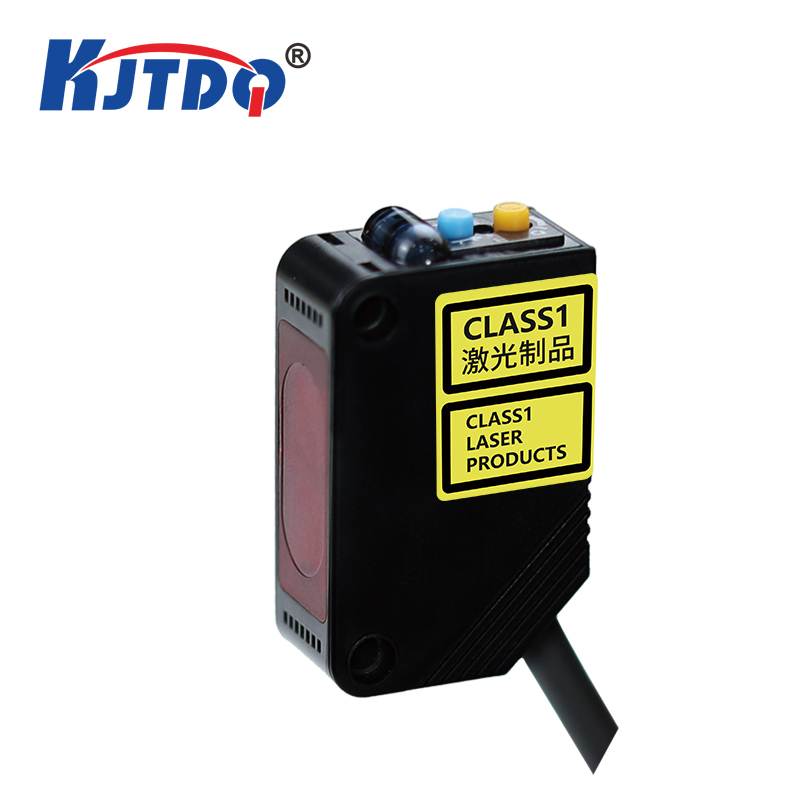
In the realm of precision measurement, where accuracy is non-negotiable and reliability is paramount, German engineering has long stood as a global benchmark. The German laser rangefinder sensor exemplifies this tradition, merging cutting-edge photonics with robust design principles to deliver unparalleled performance across diverse industries. These sensors are not merely tools; they are sophisticated systems born from a deep understanding of optics, electronics, and material science.
At the core of every high-quality German laser rangefinder sensor is the time-of-flight (ToF) principle. The device emits a focused laser pulse towards a target. A high-speed receiver then detects the reflected light. By calculating the minuscule time difference between emission and reception with extreme precision, the sensor determines the distance. German manufacturers excel in refining this process, utilizing superior laser diodes and advanced signal processing algorithms to achieve sub-millimeter accuracy even over long ranges and in challenging environmental conditions. This precision is critical for applications where a minor error can lead to significant consequences.
The application spectrum for these precision instruments is remarkably broad. In industrial automation and robotics, German laser rangefinder sensors provide the essential eyes for automated guided vehicles (AGVs) and robotic arms, enabling precise navigation, object avoidance, and component placement. They ensure seamless operation in dynamic factory environments. The construction and surveying sectors rely heavily on them for tasks like building information modeling (BIM), volume calculations, and alignment checks, where their speed and accuracy dramatically improve project efficiency and safety.
Beyond traditional fields, these sensors are pivotal in emerging technologies. They form the backbone of perception systems for autonomous vehicles and advanced driver-assistance systems (ADAS), where they must reliably detect obstacles and map surroundings in real-time, regardless of weather. In forestry and agriculture, they are used for terrain mapping, inventory management, and monitoring crop health, contributing to sustainable resource management. Even in security and defense, their ability to provide exact range data is indispensable for surveillance and targeting systems.
What truly distinguishes a premium German laser rangefinder sensor is its unwavering commitment to quality and durability. Housed in rugged, often IP-rated enclosures, these sensors are built to withstand vibrations, temperature extremes, dust, and moisture. This robust construction ensures consistent performance in harsh outdoor or industrial settings, minimizing downtime and maintenance costs. Furthermore, seamless integration is a key design focus. Modern sensors come with various digital interfaces (like RS-232, Ethernet, or CAN bus) and programmable functionalities, allowing them to communicate effortlessly with PLCs, industrial PCs, and other control systems.
Choosing the right sensor involves careful consideration of several parameters. The required measuring range, from a few centimeters to several kilometers, must match the application. The necessary accuracy and repeatability specifications will vary between a warehouse robot and a topographic survey. Measurement speed, or how many distance readings per second the sensor can provide, is crucial for high-speed automation. Finally, the environmental conditions—potential exposure to rain, fog, direct sunlight, or mechanical shock—must be factored into the selection to ensure long-term reliability.
The future of German laser rangefinder sensor technology is geared towards even greater integration and intelligence. Trends point towards sensors with embedded processing power, capable of not just measuring distance but also classifying objects or filtering out background noise. Miniaturization continues, allowing these powerful sensors to fit into ever-smaller devices. The fusion of laser rangefinder data with other sensor inputs, like inertial measurement units (IMUs) or cameras, is creating more comprehensive and reliable perception systems for complex autonomous applications.
In conclusion, the German laser rangefinder sensor represents the pinnacle of measurement technology. It is a product of meticulous engineering, designed to solve real-world problems with exceptional precision and resilience. For professionals and industries where measurement data drives decisions, operations, and innovation, investing in such a sensor is an investment in certainty, efficiency, and technological leadership. The commitment to excellence embedded in these devices ensures they will continue to be the preferred choice for tackling the most demanding measurement challenges on the global stage.