check

check

check

check

check

check
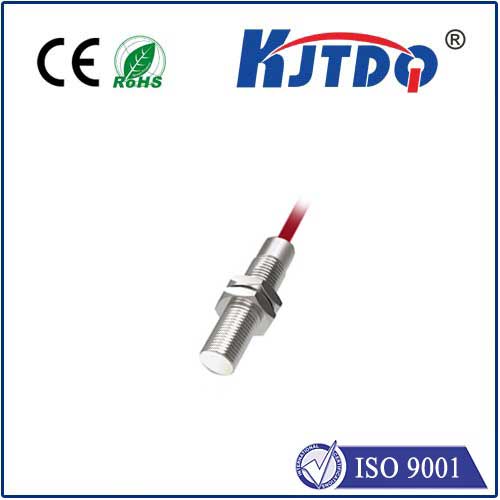
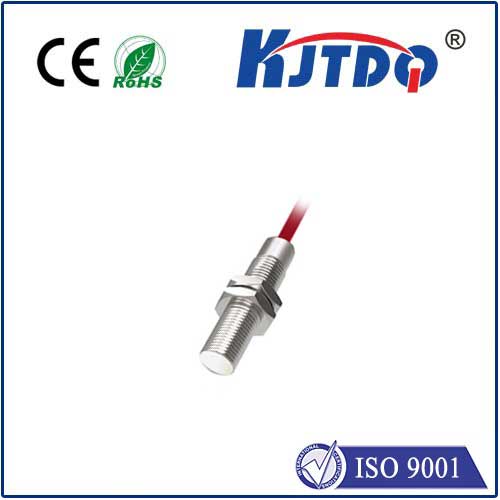
In the complex and often unforgiving world of industrial automation, the reliability of every single component is paramount. A single point of failure can lead to costly downtime, compromised safety, and significant production losses. This is where precision sensing technology steps in as a critical line of defense. Among the specialized solutions available, the DCC 12 VHD 2 PO-B3-69-2 High Pressure Proximity Sensor stands out as a robust and highly engineered component designed to perform under extreme conditions. This sensor is not just another part; it is a dedicated system for ensuring operational continuity and safety in high-pressure applications.
The core function of the DCC 12 VHD 2 PO-B3-69-2 is non-contact detection in environments where pressure is a constant and significant factor. Traditional sensors might falter or fail when exposed to sustained high pressure, leading to inaccurate readings or complete malfunction. The engineering behind this specific model addresses this challenge head-on. Its construction incorporates materials and sealing technologies, such as the noted PO-B3-69-2 specification, which are specifically chosen to withstand elevated pressures. This robust housing ensures that the internal sensing electronics remain protected from external forces, moisture, and contaminants, guaranteeing signal integrity and long-term durability.
Operating on a 12V DC power supply, the DCC 12 VHD 2 offers compatibility with standard industrial control systems. The "VHD" designation often points to a very high-duty cycle or a variant built for heavy-duty applications. This translates to a sensor capable of continuous, reliable operation without performance degradation. Its proximity sensing capability allows it to detect the presence or absence of a target object—be it metal, under certain inductive models, or other materials depending on the specific technology (inductive, capacitive, or magnetic)—without any physical contact. This non-contact nature eliminates mechanical wear and tear, a major advantage for maintenance schedules and total cost of ownership.
The true value of this high-pressure proximity sensor is realized in its application areas. It is indispensable in hydraulic systems, where it can monitor piston position within cylinders under immense fluid pressure. In injection molding machines, it ensures precise mold clamping and part ejection sequences. Within the oil and gas sector, it can be deployed in pipeline monitoring and valve positioning, where equipment must endure both high pressure and potentially hazardous environments. Similarly, in heavy machinery and press lines, the sensor provides critical feedback for controlling movement and ensuring operator safety by confirming the position of massive components.
Selecting a sensor like the DCC 12 VHD 2 PO-B3-69-2 involves careful consideration of several parameters beyond just pressure rating. The sensing range, output type (e.g., PNP or NPN transistor, analog), response time, and temperature operating range must align with the specific process requirements. The inclusion of a part number like PO-B3-69-2 is crucial; it specifies the exact electrical connection, housing thread, and sealing standard. Consulting the manufacturer's detailed datasheet is essential to verify that all specifications, including pressure resistance metrics, meet the application's demands. Proper installation, following guidelines for mounting, cable routing, and environmental protection, is equally critical to achieve the promised performance and lifespan.
Ultimately, integrating a component of this caliber is an investment in system resilience. The DCC 12 VHD 2 PO-B3-69-2 High Pressure Proximity Sensor provides engineers and plant managers with a dependable tool to mitigate risk. It enhances process control accuracy, prevents equipment damage by ensuring operations occur within safe parameters, and contributes significantly to overall plant safety protocols. In an era where efficiency and uptime are directly linked to profitability, deploying sensors engineered for the challenge is not an option but a necessity. This sensor exemplifies the move towards smarter, tougher, and more reliable industrial automation infrastructure, capable of thriving where ordinary components would fail.