check

check

check

check

check

check
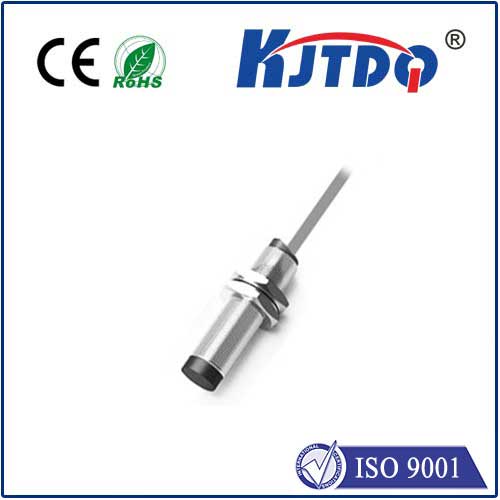
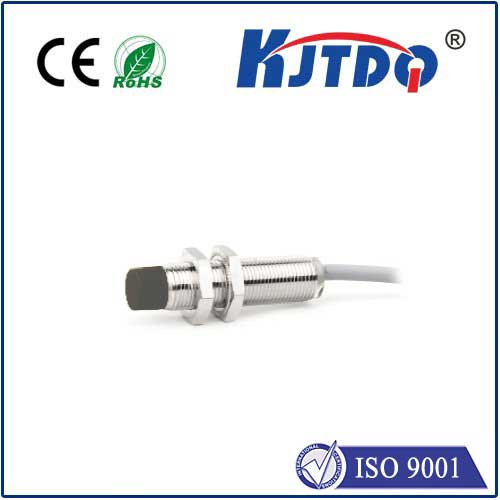
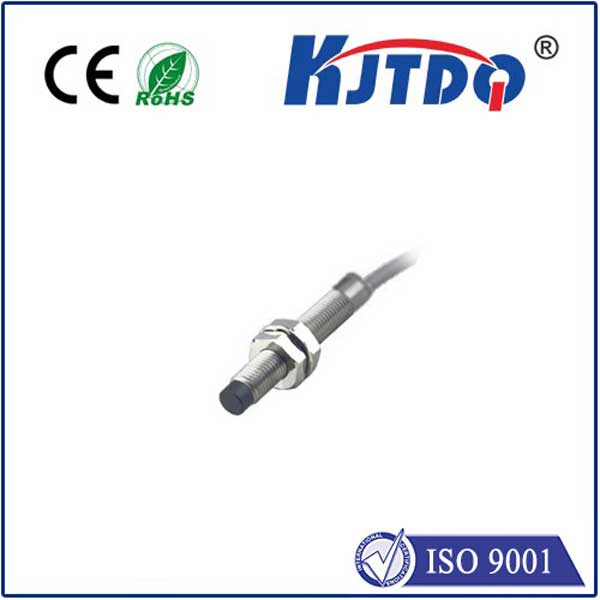
In the complex and often unforgiving world of industrial automation, the reliability of every component is paramount. Sensors, acting as the nervous system of modern machinery, must deliver unwavering accuracy under extreme conditions. This is where the MFH209 High Pressure Proximity Sensor distinguishes itself, emerging as a critical component for engineers and system integrators who cannot afford downtime or measurement drift. Designed to operate seamlessly in environments where standard sensors falter, the MFH209 is engineered for resilience and precision where it matters most.
The core challenge in high-pressure applications—such as hydraulic systems, die-casting machines, plastic injection molding, and heavy-duty press lines—is the constant exposure to intense physical forces and potential media contamination. Conventional inductive or capacitive proximity sensors may suffer from housing deformation, seal failure, or signal interference under sustained high pressure. The MFH209 is specifically built to counteract these issues. Its robust, stainless-steel housing is not merely for protection; it is a fundamental part of its design philosophy, ensuring mechanical integrity is maintained even when subjected to pressures that would compromise lesser devices. This durability directly translates to extended service life and reduced total cost of ownership, as replacement intervals are dramatically lengthened.
Beyond its rugged exterior, the technological heart of the MFH209 delivers exceptional performance. Utilizing a high-performance sensing element, it provides stable and repeatable detection of metallic targets with a high degree of switching accuracy. This consistency is crucial in closed-loop control systems where a missed or false signal can lead to defective products or even machine damage. The sensor features excellent immunity to electromagnetic interference (EMI) commonly found in industrial settings with large motors and variable frequency drives, ensuring signal integrity remains intact. Furthermore, its design often incorporates advanced sealing techniques, typically meeting high IP ratings (e.g., IP67, IP69K), making it resistant not only to pressure but also to water, oil, and coolant ingress. This combination allows for flexible installation in wash-down areas or directly within hydraulic cylinders.
The practical benefits for operational teams are significant. The MFH209's high-pressure rating means it can be installed closer to the action—directly on cylinders or actuators—providing more immediate and accurate feedback for position control. This reduces system latency and improves the overall responsiveness of the automation cycle. Maintenance personnel appreciate the device's reliability, as it minimizes unscheduled stoppages for sensor troubleshooting or replacement. For plant managers focused on Overall Equipment Effectiveness (OEE), implementing robust components like the MFH209 is a strategic move to maximize productivity and ensure consistent, high-quality output.
Integration is straightforward, with the MFH209 typically available in standard form factors (e.g., M12, M18 connectors) and output types (PNP/NPN, NO/NC) to fit seamlessly into existing control architectures from major PLC manufacturers. This plug-and-play compatibility eliminates lengthy engineering hours for custom interfaces. When selecting a sensor for a high-pressure application, key specifications to verify include the maximum pressure rating, sensing distance, temperature operating range, and the material compatibility of the housing and seal with the surrounding media.
In conclusion, the MFH209 High Pressure Proximity Sensor is far more than just another component in a catalog. It represents a specialized solution engineered for a specific and demanding set of challenges. By prioritizing uncompromising durability, signal stability, and environmental resistance, it provides a reliable foundation for automation systems operating at the limits. For industries where pressure is a constant factor, choosing the MFH209 is a decision that supports long-term operational stability, safety, and profitability, ensuring that the sensing point remains one of the strongest links in the production chain.