check

check

check

check

check

check
In the world of industrial automation and process control, precision, reliability, and durability are non-negotiable. Harsh environments characterized by extreme pressures, temperatures, and contaminants demand sensing solutions that can not only survive but thrive. The PHS 1K-PM 16-15 High Pressure Proximity Sensor stands out as a premier component engineered to meet these rigorous challenges head-on. This sensor represents a significant leap in proximity detection technology, specifically designed for applications where standard sensors would quickly fail.
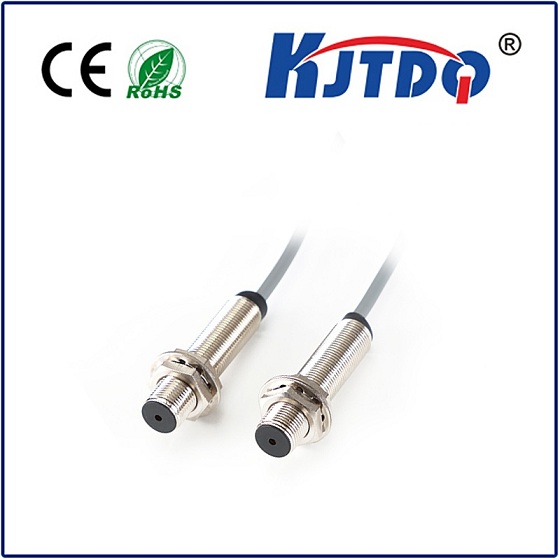
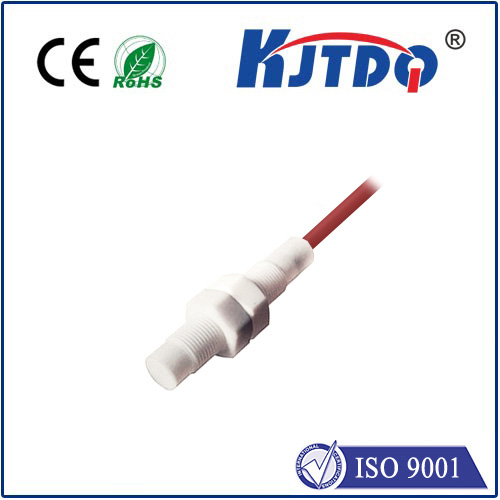
At its core, the PHS 1K-PM 16-15 is an inductive proximity sensor built to withstand exceptionally high pressure environments, often up to 1000 bar or more, depending on the specific model configuration. The "PM" designation typically refers to its pressure-resistant metal housing, which is a critical feature. Unlike plastic-bodied sensors, this robust stainless steel enclosure provides an impervious shield against mechanical stress, aggressive media, and the immense forces present in high-pressure systems. The 16-15 likely denotes its thread size (e.g., M16) and sensing distance (e.g., 15mm), making it a compact yet powerful unit for integration into various machinery.
The operational principle remains elegantly simple and highly effective. The sensor generates an electromagnetic field. When a metallic target enters this field, eddy currents are induced, causing a change in the sensor's internal oscillation. This change is detected and converted into a clear, solid-state switching signal. The brilliance of the PHS 1K-PM 16-15 lies in its engineering, which ensures this process remains flawless even when the sensor body is subjected to crushing external pressures. Special seals, reinforced construction, and high-grade materials prevent housing deformation or ingress that could compromise performance.
The applications for such a rugged sensor are vast and critical. It is indispensable in hydraulic systems for mobile and industrial machinery, monitoring piston position in heavy-duty cylinders. In the oil and gas sector, it is used in drilling equipment, valve positioning, and subsea applications. High-pressure die-casting machines, plastic injection molding equipment, and test bench facilities all rely on sensors like the PHS 1K-PM 16-15 for precise position feedback and sequence control. Its ability to function reliably in these conditions directly impacts operational safety, efficiency, and preventative maintenance schedules.
Selecting the PHS 1K-PM 16-15 brings several tangible benefits to an operation. First and foremost is unparalleled reliability. Downtime caused by sensor failure in a high-pressure line can be catastrophic and costly. This sensor's durability minimizes unplanned stoppages. Its high switching accuracy ensures repeatable processes, leading to consistent product quality. Furthermore, its robust design often translates to a longer service life compared to conventional sensors, offering a better total cost of ownership despite a potentially higher initial investment. The metal housing also provides excellent resistance to chemicals, oils, and coolants, making it suitable for a wide range of industrial fluids.
Installation and integration are straightforward. The standard M16 threaded barrel allows for easy mounting into prepared fittings. Most models feature LED status indicators for quick diagnostics and come in various output configurations (e.g., PNP, NPN, NO, NC) to interface seamlessly with standard PLCs and control systems. It is crucial, however, to consult the specific datasheet for the exact model to confirm parameters like pressure rating, voltage range, temperature limits, and output type to ensure perfect compatibility with the application.
In conclusion, the PHS 1K-PM 16-15 High Pressure Proximity Sensor is not merely a component; it is a critical investment in system integrity and productivity for demanding industrial environments. Its specialized design bridges the gap where standard sensing technology falls short, providing a dependable and precise solution for position sensing under extreme pressure. For engineers and maintenance professionals seeking to enhance the robustness and reliability of their high-pressure applications, specifying this sensor is a decisive step toward achieving uninterrupted and efficient operations.