check

check

check

check

check

check
In the demanding world of industrial automation, where machinery operates under extreme pressures and in unforgiving conditions, sensor reliability is not just a feature—it's a necessity for safety, efficiency, and profitability. The KGG13L3KNC High Pressure Proximity Sensor emerges as a cornerstone technology engineered specifically to meet these rigorous challenges. This device represents a significant leap forward in sensing technology, designed to deliver unwavering performance where others fail.
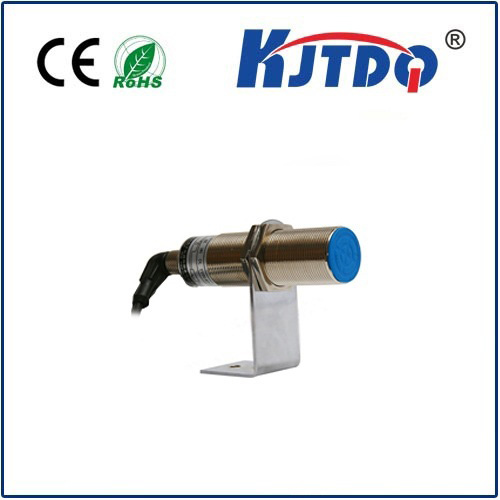
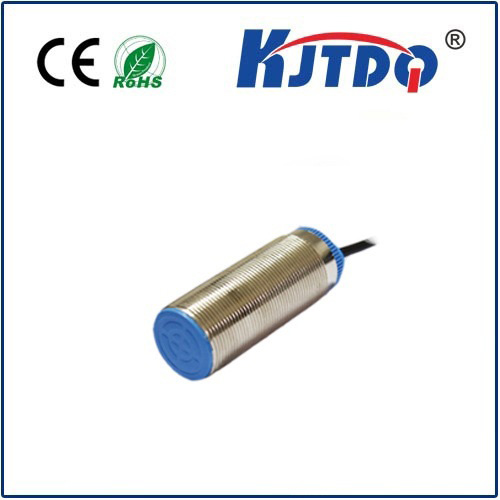
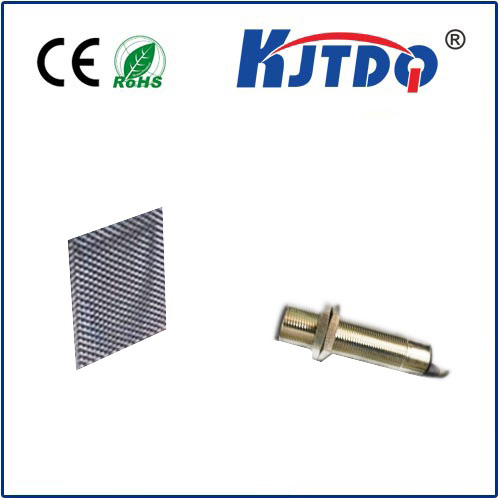
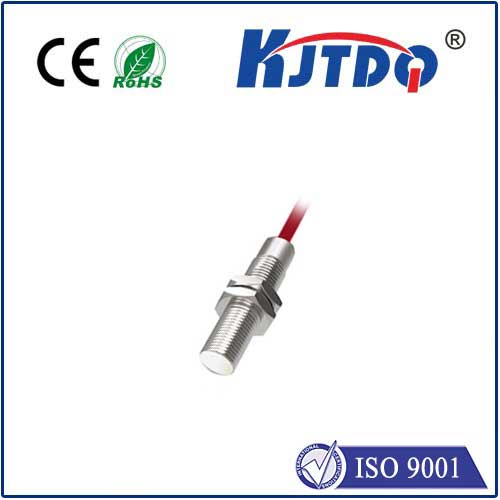
At its core, the KGG13L3KNC is built to withstand environments that would cripple standard sensors. Its defining characteristic is its exceptional resilience to high-pressure conditions, often encountered in hydraulic systems, heavy-duty presses, deep-sea equipment, and high-pressure processing lines. The sensor's robust housing is typically constructed from high-grade stainless steel or similarly durable materials, providing superior resistance to corrosion, physical impact, and fluid ingress. This construction ensures a long operational life even when exposed to aggressive media, constant vibration, and significant mechanical stress.
The operational principle of the KGG13L3KNC is based on advanced inductive or capacitive sensing technology, tailored for high-pressure applications. It detects the presence or absence of metallic or non-metallic targets without any physical contact. This non-contact operation is crucial in high-pressure scenarios, as it eliminates wear and tear, reduces maintenance downtime, and prevents potential leakage points that could arise from mechanical linkages. The sensor provides a consistent and precise switching signal, critical for controlling valves, monitoring piston positions, or ensuring safety interlocks in complex machinery.
One of the most critical advantages of this sensor is its sealing integrity. It incorporates specialized high-pressure seals and welding techniques that prevent the ingress of liquids or gases, maintaining its functionality and protecting internal electronics. This makes it an ideal choice for applications in the oil and gas industry, underwater robotics, chemical processing plants, and high-pressure cleaning systems. Engineers can integrate it directly into pressurized chambers with confidence, knowing it will maintain its specified sensing distance and switching accuracy.
Installation and integration are streamlined for industrial users. The KGG13L3KNC often features a compact, threaded design for easy mounting directly into machine blocks or pipe systems. Its electrical connections are designed for reliability, with options for various cable outlets or plug connectors that are also rated for tough conditions. Compatibility with standard industrial control voltages (like 10-30V DC) ensures it can be seamlessly incorporated into existing PLC (Programmable Logic Controller) or control systems without requiring extensive modifications.
Beyond mere durability, the sensor contributes directly to operational intelligence and predictive maintenance. By reliably monitoring the state of components under pressure, it provides valuable data that can be used to optimize cycle times, prevent catastrophic failures, and schedule maintenance proactively. This data-driven approach minimizes unplanned downtime, a major cost driver in capital-intensive industries.
For industries pushing the boundaries of pressure and performance, the KGG13L3KNC is more than just a component; it is a strategic asset. It enables the design of safer, more reliable, and more efficient systems. When selecting a sensor for a high-pressure application, factors such as the specific pressure rating, media compatibility, temperature range, required sensing distance, and output type must be carefully matched to the KGG13L3KNC's specifications. Consulting with technical experts or the manufacturer's datasheets is essential for optimal application.
In conclusion, the KGG13L3KNC High Pressure Proximity Sensor stands as a testament to precision engineering for extreme environments. It delivers the robustness, accuracy, and reliability that modern industry demands, safeguarding processes and enhancing productivity where the stakes are highest. Its deployment is a clear investment in operational resilience and long-term system integrity.