check

check

check

check

check

check
In the high-stakes world of modern industrial automation, the margin for error is razor-thin. Equipment must operate reliably under extreme conditions, and sensor failure is not an option. This is where the BHS004C BES 516-300-S300-S4-D High Pressure Proximity Sensor establishes itself as a cornerstone of robust system design. Engineered for environments where standard sensors falter, this device delivers unwavering precision and durability where it matters most.
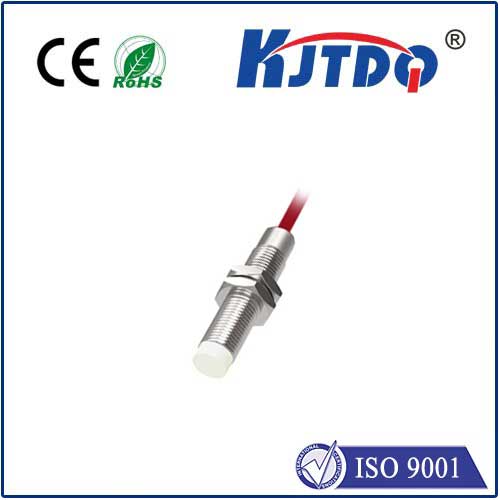
The defining characteristic of the BHS004C sensor is its exceptional capability to function in high-pressure environments. Unlike conventional inductive proximity sensors that might deform or leak under intense pressure, the BHS004C is specifically constructed with a reinforced housing and specialized sealing technologies. This robust build ensures reliable detection of metallic targets even when submerged in hydraulic systems or installed directly within high-pressure fluid lines. Its resilience makes it an indispensable component in hydraulic power units, heavy-duty press machinery, and injection molding systems, where pressure spikes are routine.
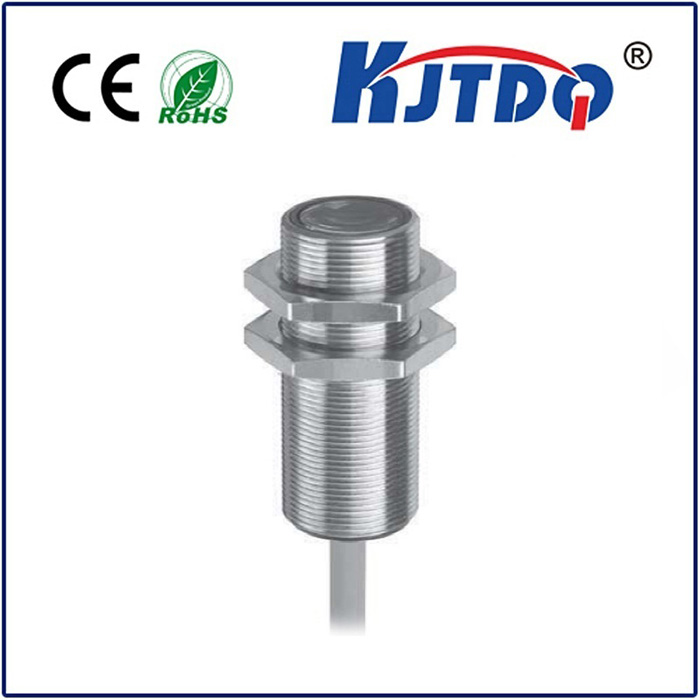
Precision is paramount, and the BHS004C delivers with its consistent S300 sensing range. This reliable switching distance allows for flexible mounting and ensures accurate detection without physical contact, eliminating wear and tear on both the sensor and the target. The "S4" designation typically refers to a particular housing style or thread size, often a sturdy M30 metal body, providing excellent mechanical strength and resistance to vibration—a common challenge in industrial settings. This physical robustness guarantees long-term positional stability, maintaining calibration over extended periods.
Equipped with a 4-wire DC interface (as indicated by the "D" in the part number), the BHS004C offers straightforward integration into modern control systems. This configuration usually provides both a normally open (NO) and a normally closed (NC) output, granting designers flexibility in circuit logic. The sensor is designed for easy connection to PLCs (Programmable Logic Controllers) and other automation hardware, facilitating quick installation and reducing downtime during setup or replacement.
The operational benefits of deploying the BHS004C BES 516-300-S300-S4-D are significant. Its primary advantage is dramatically increased system uptime. By withstanding harsh conditions that would disable lesser sensors, it prevents unplanned stoppages. This reliability translates directly into cost savings by reducing maintenance intervals, minimizing production halts, and avoiding the collateral damage that can follow from a sensor's failure. Furthermore, its accuracy ensures processes are controlled correctly the first time, reducing material waste and improving overall product quality.
Typical applications extend across several critical industries. In metal forming and stamping presses, it reliably monitors piston position under tremendous force. Within the automotive manufacturing sector, it performs flawlessly in high-pressure die-casting and testing rigs. The oil and gas industry utilizes its capabilities for monitoring valve positions and equipment status in demanding offshore and refinery environments. Anywhere a durable, pressure-resistant non-contact switch is required, the BHS004C provides a trusted solution.
Selecting the right sensor is a critical engineering decision. The BHS004C BES 516-300-S300-S4-D is specified for scenarios demanding a combination of high-pressure resistance, reliable sensing range, solid mechanical construction, and simple electrical integration. When system integrity cannot be compromised, this sensor offers a proven track record. It represents not just a component, but an investment in operational continuity and precision.
For engineers and maintenance professionals, understanding the full specifications, including voltage ranges, temperature tolerances, and output specifics, is essential for optimal application. Consulting the official datasheet and technical guides ensures the sensor matches the exact environmental and electrical requirements of the intended use, guaranteeing peak performance and longevity.