check

check

check

check

check

check
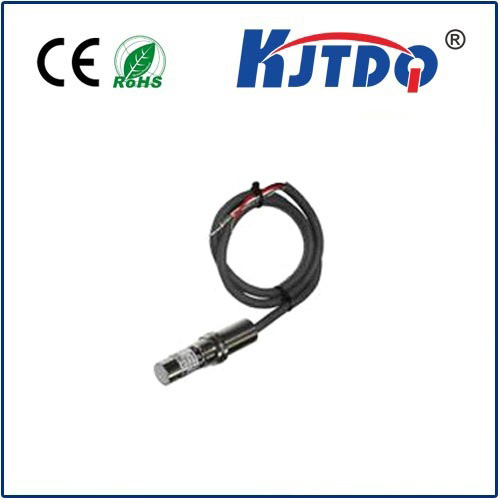
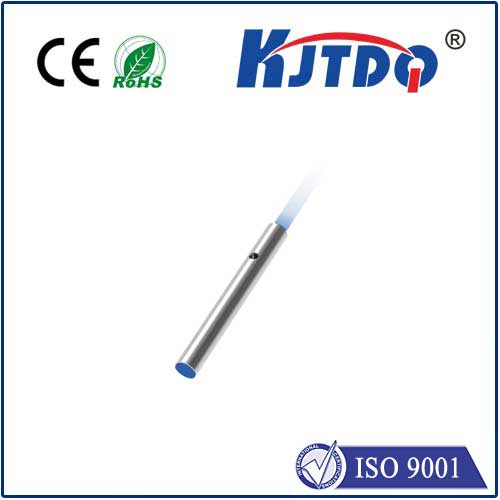
In the high-stakes world of modern industry, where precision, reliability, and durability are non-negotiable, the choice of sensing technology can be the defining factor between operational excellence and costly downtime. Enter the CYJ-A16M-2APA High Pressure Proximity Sensor, a robust and intelligent solution engineered to thrive in the most challenging environments. This sensor represents a significant leap forward in proximity detection, specifically designed to deliver unwavering performance under extreme pressure conditions that would compromise lesser devices.
The core innovation of the CYJ-A16M-2APA lies in its exceptional construction and sensing methodology. Unlike standard inductive or capacitive sensors, this unit is built with a specialized housing and sensing element capable of withstanding sustained high-pressure exposure without signal drift or physical failure. This makes it an indispensable component in hydraulic systems, heavy-duty press machines, injection molding equipment, and deep-sea or high-pressure fluid processing lines. Its ability to maintain precise detection thresholds—whether for position verification, part presence, or end-of-travel signaling—ensures process integrity and safety.
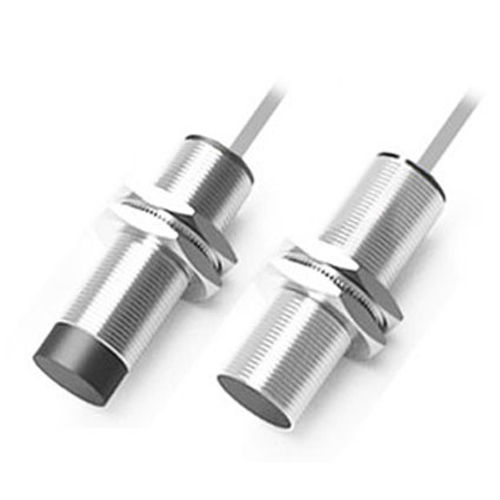
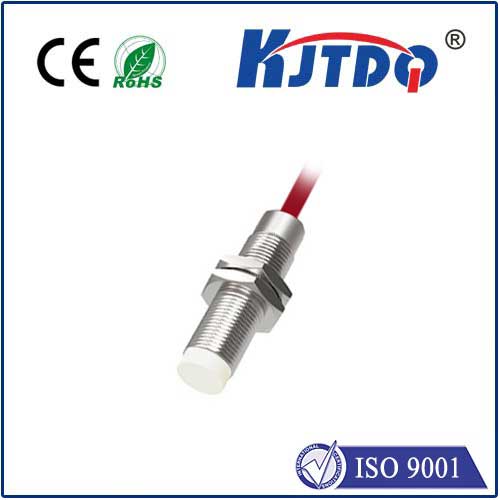
A key feature that sets the KJTDQ series sensor apart is its remarkable environmental resilience. The sensor is typically housed in a stainless-steel body with high-grade sealing, offering superior resistance to moisture, oils, coolants, and particulate ingress. This IP67 or higher equivalent rating guarantees reliable operation in dirty, wet, or washdown scenarios common in food processing, mining, and offshore applications. Furthermore, its design minimizes the risk of false triggers caused by pressure fluctuations or surrounding metallic interference, providing a stable and clean output signal to the control system.
Installation and integration are streamlined for efficiency. The CYJ-A16M-2APA often comes with versatile mounting options and connection types, allowing for seamless retrofitting into existing machinery or incorporation into new designs. Its output is compatible with standard PLCs and industrial controllers, simplifying the wiring and programming process. Maintenance requirements are minimal, thanks to its solid-state design and lack of moving parts, translating to lower total cost of ownership and reduced lifecycle costs.
The practical benefits for engineers and plant managers are substantial. By implementing the CYJ-A16M-2APA sensor, facilities can achieve higher levels of automation accuracy, prevent equipment damage caused by over-travel or misalignment, and enhance overall system safety. Its durability directly reduces unplanned maintenance stops and sensor replacement frequency, boosting production uptime and operational efficiency. In applications like die-casting or forging, where temperatures and pressures soar, this sensor provides the critical data needed for precise cycle control.
Looking towards the future of Industry 4.0, the robustness of sensors like the CYJ-A16M-2APA forms the foundational layer for reliable data acquisition. Consistent and accurate sensor performance is a prerequisite for effective predictive maintenance algorithms and process optimization. By choosing a high-pressure proximity sensor built to last and perform, industries invest not just in a component, but in the resilience and intelligence of their entire operational framework.
In conclusion, the CYJ-A16M-2APA High Pressure Proximity Sensor from KJTDQ is more than just a detection device; it is a strategic asset for any operation facing harsh physical conditions. It delivers the critical combination of precision, strength, and reliability required to safeguard processes, protect capital equipment, and ensure continuous productivity. For engineers specifying components that must perform under pressure, this sensor offers a proven and trustworthy solution.