check

check

check

check

check

check
In the complex and often unforgiving world of industrial automation, sensor reliability is not just a feature—it's the foundation of operational continuity, safety, and efficiency. Among the myriad of components that keep modern machinery running, proximity sensors play a critical role in non-contact detection and positioning. However, standard sensors frequently fall short when faced with extreme pressures, corrosive media, or stringent hygiene requirements. This is where specialized engineering makes the definitive difference. The IAS-10-18-S-PTFE High Pressure Proximity Sensor emerges as a premier answer to these challenges, designed specifically to perform where others cannot.
At the core of its robust performance is the innovative use of Polytetrafluoroethylene (PTFE) as a key housing and sealing material. PTFE, widely recognized by its brand name Teflon®, is renowned for its exceptional chemical inertness. This property makes the IAS-10-18-S-PTFE virtually impervious to attack from a vast array of aggressive chemicals, acids, and solvents commonly found in chemical processing, pharmaceutical manufacturing, and semiconductor fabrication. Unlike sensors with metal or standard plastic housings that may corrode or degrade, the PTFE-clad body ensures long-term integrity and signal stability, eliminating a common point of failure in harsh environments.
Beyond chemical resistance, the "High Pressure" designation is a testament to its mechanical resilience. Engineered to withstand sustained exposure to extreme fluid or gas pressures, this sensor maintains precise detection capabilities without compromise. Its construction prevents media ingress and housing deformation, which are typical failure modes for conventional sensors under high-pressure conditions. This makes it an indispensable component in hydraulic systems, high-pressure cleaning equipment, oil and gas applications, and any process where pressure spikes or constant high loads are expected. The reliability it offers translates directly into reduced downtime and lower maintenance costs, protecting both the production line and the bottom line.
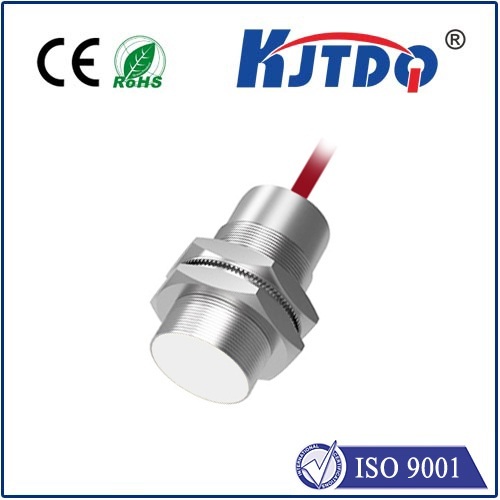
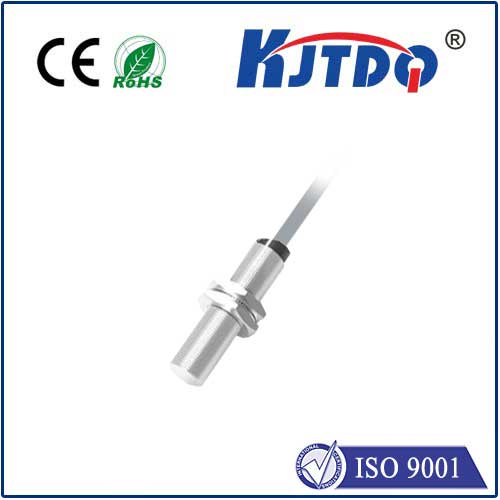
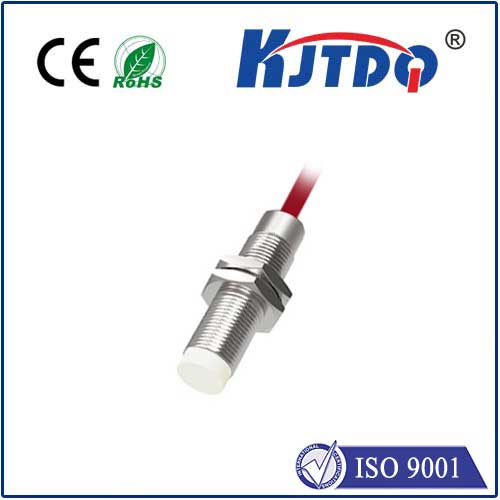
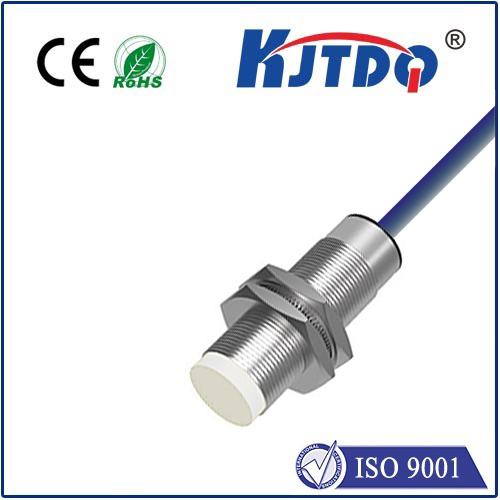
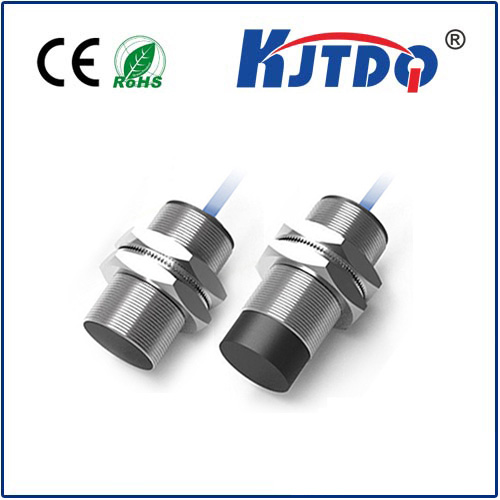
The sensor operates on a stable sensing principle, providing accurate detection of metallic targets. The "S" in its model name typically indicates a particular sensing distance or output type, such as a short-circuit protected DC switch. This reliable switching ensures consistent signal transmission to the control system, whether for counting, positioning, or safety interlocking. Its compact, cylindrical form factor, conforming to the 10-18 size, allows for easy integration into existing machinery and tight spaces, a crucial advantage in complex automated systems.
A significant, yet often overlooked, benefit of the PTFE construction is its suitability for hygienic and food-grade applications. The material is FDA-compliant, non-toxic, and exhibits low adhesion, meaning it does not harbor bacteria or contaminants and is exceptionally easy to clean. For industries like food and beverage, dairy, and biotechnology, where sanitation protocols are paramount, the IAS-10-18-S-PTFE sensor helps maintain strict hygiene standards without sacrificing performance. It can withstand the high temperatures and aggressive cleaning agents used in Clean-in-Place (CIP) and Sterilize-in-Place (SIP) procedures, offering a durable solution that aligns with industry regulations.
Installation and long-term operation are streamlined by the sensor's design. Many variants feature advanced functionalities like LED status indicators for quick diagnostics and IO-Link capability for digital communication. IO-Link integration allows for parameter setting, real-time monitoring of sensor health, and seamless data integration into Industry 4.0 frameworks, enabling predictive maintenance strategies. This smart functionality transforms the sensor from a simple detection device into a valuable data point for optimizing the entire production process.
In conclusion, the IAS-10-18-S-PTFE High Pressure Proximity Sensor is far more than just another component. It represents a focused engineering solution for the most demanding corners of industry. By combining the unparalleled chemical and thermal resistance of PTFE with a design built to endure high pressure, it delivers unwavering reliability. It ensures operational stability in chemical plants, guarantees hygiene in food production, and provides precision in high-pressure manufacturing. For engineers and plant managers seeking to eliminate sensor-related failures and build more resilient systems, specifying the IAS-10-18-S-PTFE is a strategic decision toward achieving greater productivity and operational excellence.