check

check

check

check

check

check
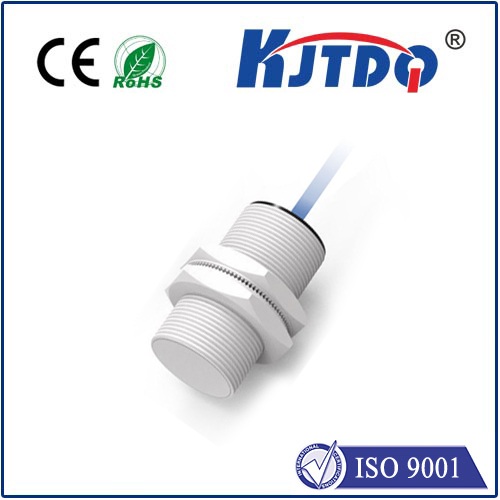
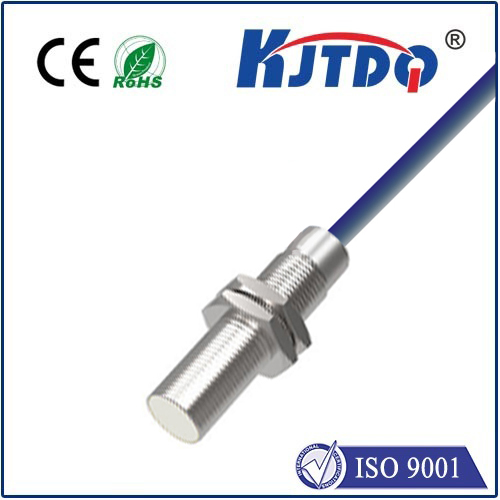
In the world of industrial automation and process control, reliability is not just a preference; it's an absolute necessity. Equipment must perform flawlessly under extreme conditions, from intense vibrations and temperature fluctuations to exposure to moisture, dust, and high-pressure washdowns. This is where specialized components like the BHS002Y BES 516-300-S249-S4-D High Pressure proximity sensor prove their indispensable value. Engineered for resilience and precision, this sensor represents a critical solution for applications where standard sensors would quickly fail.
The core function of the BHS002Y model is non-contact detection. Utilizing inductive sensing technology, it reliably detects the presence or absence of metallic objects without any physical contact. This eliminates mechanical wear and tear, ensuring a long operational life even in high-cycle applications. The "High Pressure" designation is a key differentiator. The sensor housing is specifically designed and sealed to withstand high-pressure cleaning processes common in industries like food and beverage, pharmaceuticals, and chemical processing. This robust construction prevents ingress of water, cleaning agents, and other contaminants, guaranteeing consistent performance and hygiene compliance.
Delving into the model number reveals its tailored specifications. The BES 516 series indicates a cylindrical stainless steel housing, known for its corrosion resistance and mechanical strength. The 300 typically refers to a sensing range, in this case likely 3mm, offering a precise detection distance. The S249 suffix often details specific electrical characteristics, such as a PNP normally open (NO) switching output and a 3-wire configuration, making it compatible with standard programmable logic controller (PLC) inputs. The S4-D code frequently relates to the electrical connection type, such as a fixed cable or a specific connector variant, ensuring easy integration into existing systems.
The practical applications for this sensor are vast and critical. In automated packaging lines, it ensures products are correctly positioned before sealing. Within automotive assembly robots, it provides precise feedback on part placement. Perhaps most notably, in food production facilities, it can reliably count bottles or detect metal lids on conveyor belts that undergo rigorous daily cleaning with high-pressure jets. Its ability to maintain accuracy in such environments prevents costly production stoppages, reduces waste from false triggers, and enhances overall equipment effectiveness (OEE).
Selecting the right proximity sensor involves careful consideration of several factors beyond just the sensing range. The material of the target object is paramount, as inductive sensors only detect metals. Environmental conditions are equally crucial. The BHS002Y is built for challenging settings involving moisture, high pressure, and potential chemical exposure. Electrical requirements, including operating voltage (commonly 10-30V DC for this type) and output type (PNP vs. NPN), must match the control system. Finally, physical constraints like installation space and mounting style (flush or non-flush) determine the correct housing design.
Installation and maintenance, while straightforward, require attention to detail for optimal performance. The sensor should be mounted securely to minimize vibration effects. It is vital to maintain the specified sensing distance from the target and ensure the target approaches the sensing face correctly. For the high-pressure variant, regularly inspecting the integrity of the cable entry or connector seal is recommended to preserve its IP rating. Unlike mechanical switches, these sensors have no moving parts to lubricate or replace, translating to significantly lower lifetime maintenance costs.
When compared to standard inductive proximity sensors, the BHS002Y BES 516-300-S249-S4-D offers a clear advantage in durability. While a standard sensor might suffice in a clean, controlled cabinet, it would be a liability in a washdown area. The investment in a high-pressure resistant model upfront prevents frequent replacements, unplanned downtime, and potential contamination risks. It is a strategic component for building a robust and reliable automation infrastructure.
In conclusion, the BHS002Y BES 516-300-S249-S4-D High Pressure proximity sensor is more than just a component; it is a commitment to operational continuity and quality. Its specialized design addresses the core challenges faced in harsh industrial environments, providing a dependable signal that control systems can trust. For engineers and maintenance professionals seeking to enhance the resilience of their production lines, specifying such purpose-built sensors is a critical step towards achieving higher productivity, reduced maintenance, and greater process reliability.