check

check

check

check

check

check
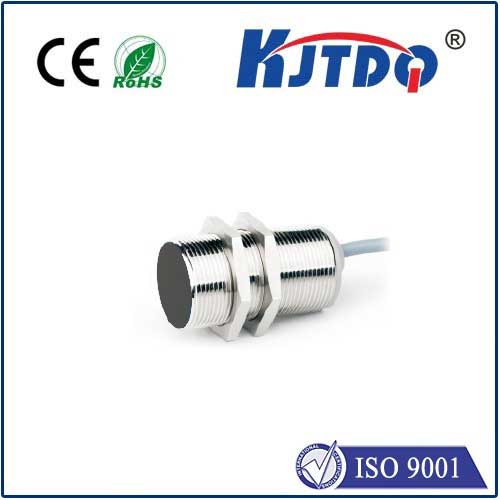
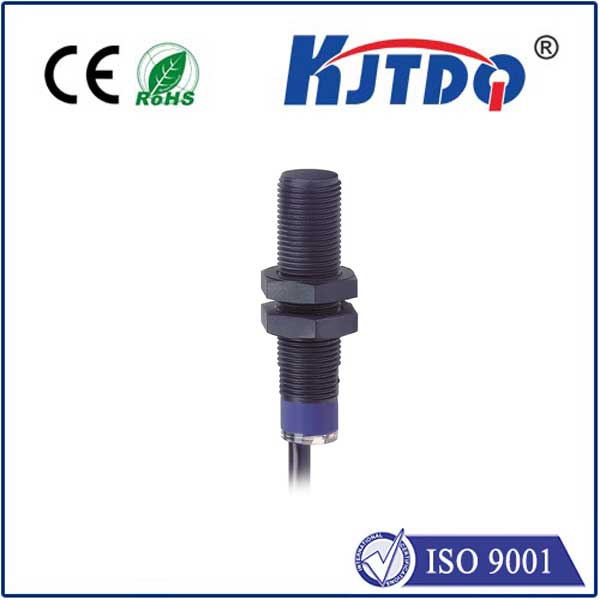
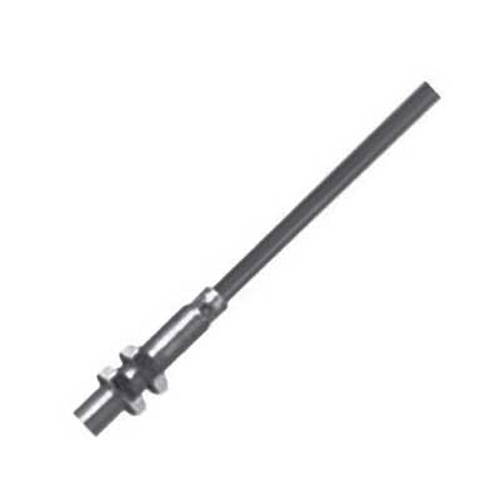
In the world of industrial automation, where reliability is non-negotiable and failure is not an option, selecting the right sensing technology is a critical decision. The BI2-G12-AP6X-H1141/S95 High Pressure Proximity Sensor stands out as a premier choice for engineers and system integrators facing the toughest operational challenges. This sensor is not just another component; it is a meticulously engineered solution designed to deliver unwavering performance under extreme pressure and in harsh conditions.
The core of its robust design lies in its ability to withstand exceptionally high-pressure environments. Traditional sensors often falter when subjected to the intense forces found in hydraulic systems, heavy-duty presses, injection molding machines, or deep-sea applications. The BI2-G12-AP6X-H1141/S95 is specifically built to thrive here. Its housing and sensing face are constructed from high-grade, pressure-resistant materials, ensuring structural integrity and preventing failure due to mechanical stress or pressure spikes. This resilience translates directly to reduced downtime and maintenance costs, safeguarding continuous production flow.
Beyond its pressure tolerance, this inductive proximity sensor excels in environmental sealing. The AP6X designation signifies a high degree of protection, typically corresponding to IP67 or higher ratings. This means it is completely protected against dust ingress and can withstand temporary immersion in water. Whether it's exposed to coolant sprays on a machining center, washdown procedures in food and beverage processing, or outdoor weather elements, the sensor maintains reliable operation. This durability eliminates a common point of failure in industrial settings, providing peace of mind for plant managers.
Performance specifications further solidify its position as a top-tier device. The S95 variant often indicates a specific sensing range or output configuration, typically offering a precise and stable switching function. With a sensing distance tailored for its form factor, it provides accurate detection of metallic targets without physical contact, eliminating wear and tear. The electrical output, whether NPN or PNP, is designed for seamless integration into standard PLC (Programmable Logic Controller) systems and control cabinets. Its high switching frequency allows it to keep pace with fast-moving production lines, ensuring no event is missed.
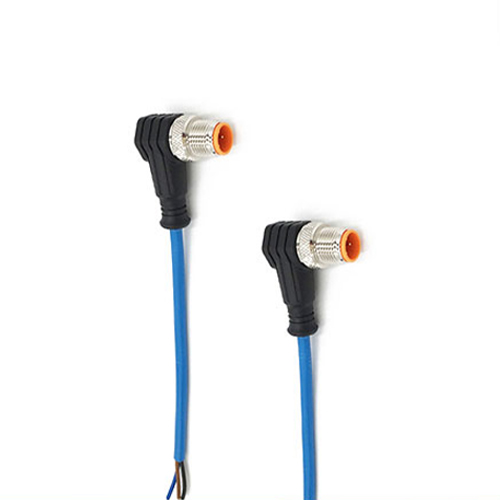
Installation and integration are streamlined for efficiency. The compact yet rugged BI2-G12 form factor allows for easy mounting in space-constrained locations. Its design often incorporates features like LED status indicators for quick diagnostics, showing power-on and switching state at a glance. This simplifies commissioning and troubleshooting, saving valuable technician time. The use of high-quality cables and connectors, as indicated by the H1141 code, ensures a secure and long-lasting electrical connection, resistant to vibration and pull-out forces.
The applications for the BI2-G12-AP6X-H1141/S95 are vast and varied. It is indispensable in the automotive industry for monitoring hydraulic clamps and presses. In metal fabrication, it reliably detects parts in high-pressure stamping and punching machines. The oil and gas sector relies on such robust sensors for equipment monitoring under extreme pressures. Even in renewable energy, such as in hydraulic pitch systems for wind turbines, this sensor provides critical feedback. Its versatility makes it a universal upgrade for any application where standard sensors are prone to premature failure.
Choosing the BI2-G12-AP6X-H1141/S95 is an investment in operational excellence. It addresses the core pain points of industrial maintenance: unexpected downtime, frequent sensor replacements, and compromised safety. By specifying this high-pressure proximity sensor, engineers build more resilient and dependable automation systems. The result is a tangible improvement in overall equipment effectiveness (OEE), lower total cost of ownership, and a stronger bottom line. For professionals who cannot afford compromises, this sensor delivers the performance, durability, and reliability required to meet today's industrial demands head-on.