check

check

check

check

check

check
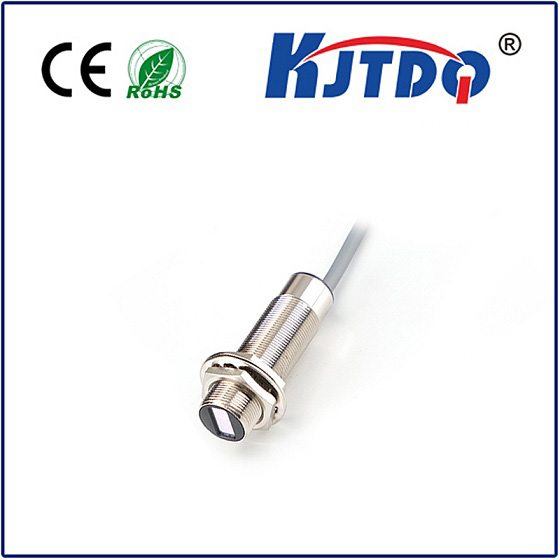
In the demanding world of industrial automation and process control, the reliability of every component is paramount. Among these critical components, proximity sensors play a vital role in ensuring safety, efficiency, and precision. When operating under extreme conditions, such as high-pressure environments, the choice of sensor becomes even more crucial. This is where specialized solutions like the DW-AS-503-P12-627 High Pressure Proximity Sensor come into focus, offering unparalleled performance where standard sensors would fail.
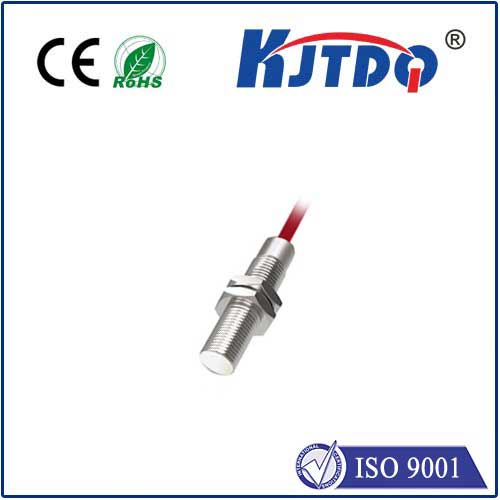
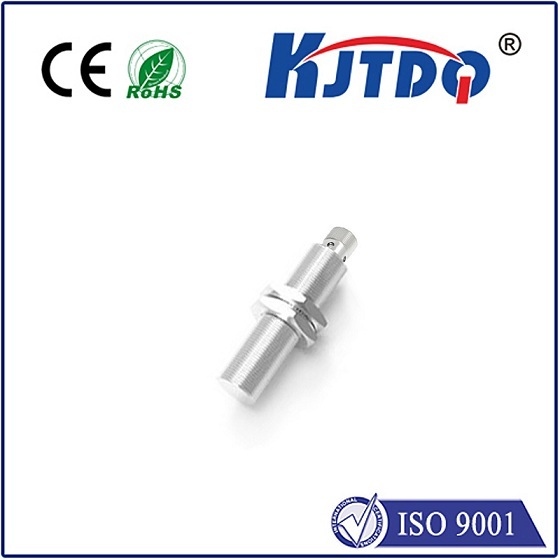
The DW-AS-503-P12-627 is engineered specifically for applications involving elevated pressure levels. Its robust construction is designed to withstand the physical stresses and potential media exposure common in hydraulic systems, high-pressure washing equipment, deep-sea instrumentation, and certain chemical processing stages. The core technology typically involves a sensing element—often inductive or capacitive—encapsulated within a housing rated for pressures significantly above atmospheric levels. This housing is frequently made from high-grade stainless steel (like 316L) or other corrosion-resistant alloys, ensuring both mechanical integrity and longevity in harsh conditions. The "P12-627" designation often relates to specific thread specifications, pressure ratings, and electrical connection types, making it a precise fit for standardized industrial interfaces.
One of the primary advantages of a high-pressure proximity sensor like the DW-AS-503-P12-627 is its ability to perform non-contact detection. In high-pressure fluid lines or chambers, physical contact with moving parts or the medium itself can lead to wear, contamination, or sensor failure. This sensor detects the presence or absence of a target—be it a piston, valve position, or metal component—through its electromagnetic field, eliminating mechanical wear. This non-invasive method translates to reduced maintenance downtime, lower long-term costs, and enhanced system reliability. The sensor provides a consistent digital or analog output signal, seamlessly integrating with PLCs (Programmable Logic Controllers) and other control systems to trigger actions, log data, or activate safety protocols.
The application scope for this sensor is extensive. In the oil and gas industry, it monitors valve positions and equipment status in drilling and pumping systems where pressures can be immense. Within manufacturing, it ensures precise positioning in high-pressure die-casting machines or hydraulic presses. The marine and offshore sectors utilize such sensors for depth monitoring, ballast control, and equipment on subsea structures. Furthermore, in energy generation, particularly in hydroelectric or steam systems, reliable pressure-rated sensing is non-negotiable for operational safety.
Selecting the right high-pressure sensor requires careful consideration of several parameters beyond just the pressure rating. Key factors include the sensing distance, the target material (ferrous or non-ferrous metals), the output type (PNP/NPN, NO/NC, analog 4-20mA), the operating temperature range, and the required ingress protection (IP) rating for water and dust. The DW-AS-503-P12-627 model is typically specified to meet a clear combination of these needs, ensuring it functions correctly in its intended niche. Proper installation is equally critical; following torque specifications for threaded fittings, ensuring correct wiring, and protecting cable conduits are essential steps to prevent leaks and signal interference.
In conclusion, the integration of a purpose-built component like the DW-AS-503-P12-627 High Pressure Proximity Sensor is a strategic decision for engineers and system designers. It moves beyond basic detection to become a cornerstone of system resilience. By providing accurate, non-contact sensing in environments where pressure is a dominant factor, it safeguards equipment, optimizes processes, and contributes significantly to overall operational uptime. For any application where pressure exceeds normal limits, investing in a sensor specifically rated for such conditions is not an option—it is a fundamental requirement for modern, robust industrial automation.