check

check

check

check

check

check
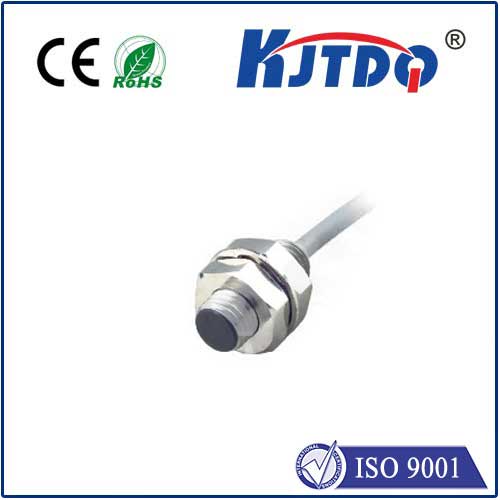
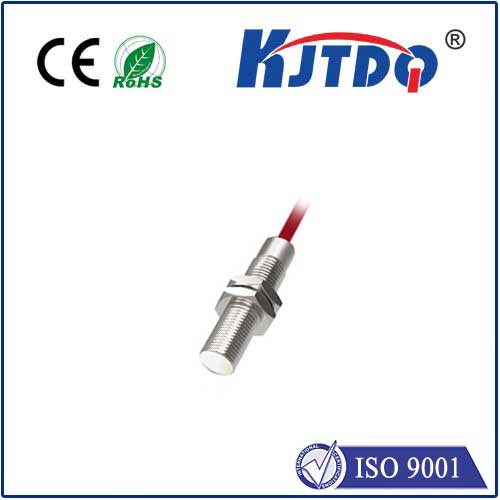
In the demanding world of industrial automation, where machinery operates under extreme pressures and in unforgiving conditions, sensor failure is not an option. It can lead to catastrophic downtime, costly repairs, and significant safety hazards. This is where the KNYT2-M14-NAH-53 High Pressure Proximity Sensor steps in, engineered to deliver unwavering reliability and precision where ordinary sensors falter. Designed specifically for high-pressure applications, this sensor represents a critical advancement in monitoring and control technology, ensuring seamless operations in sectors like hydraulic systems, heavy machinery, die casting, and offshore equipment.
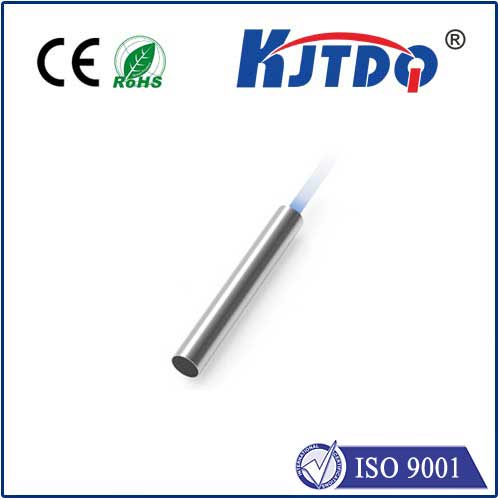
The core challenge in high-pressure environments is the immense physical stress exerted on sensor components. Standard inductive proximity sensors may deform, leak, or provide inaccurate readings when subjected to sustained pressures exceeding several hundred bar. The KNYT2-M14-NAH-53 is built from the ground up to conquer this challenge. Its robust, all-stainless-steel housing (typically AISI 303 or 316L) is not just for corrosion resistance; it's structurally reinforced to withstand pressure peaks that would compromise lesser devices. The front sensing face is specially engineered to resist deformation, maintaining a consistent sensing distance and repeatability even under continuous load. This mechanical integrity is the first line of defense, ensuring the sensor's longevity and stable performance.
Beyond its rugged exterior lies sophisticated sensing technology. Utilizing a high-frequency oscillation principle, the sensor detects the presence of metallic targets with exceptional accuracy. The "NAH" designation often indicates a flush-mountable design, allowing the sensor to be installed embedded in metal without a reduction in its operating distance, a crucial feature for protecting it from mechanical damage in tight, high-pressure spaces. Its high switching frequency enables it to detect rapid movements, making it ideal for monitoring piston positions in hydraulic cylinders or valve actuations. The result is precise, real-time feedback that is essential for closed-loop control systems, preventing over-travel, under-travel, and ensuring synchronized machine movements.
What truly sets the KNYT2-M14-NAH-53 apart is its specialized sealing and pressure compensation technology. It employs advanced static and dynamic seals, often using materials like FKM (Viton), which are resistant to high temperatures and aggressive hydraulic fluids or lubricants. This hermetic sealing prevents media ingress, a common cause of sensor failure in wet or oily high-pressure zones. Furthermore, some high-pressure variants incorporate internal pressure balancing mechanisms. This feature equalizes the pressure inside and outside the sensor's core electronics chamber, neutralizing the crushing force that could otherwise damage the sensitive internal components, thereby guaranteeing a long operational life even in fluctuating pressure scenarios.
The practical benefits for engineers and plant managers are substantial. First and foremost is enhanced system safety and reduced downtime. By providing reliable detection in critical pressure lines, the sensor helps prevent equipment damage and potential accidents. Its durability translates directly into lower total cost of ownership, reducing the frequency of replacements and maintenance interventions. Secondly, its precision improves overall process efficiency and product quality, for instance, in injection molding or press automation, where exact positioning under pressure is paramount. Finally, its standardized M14 x 1.5 mounting thread and compact design facilitate easy integration into existing machine designs without major modifications.
When selecting a sensor for a high-pressure application, specifications are key. The KNYT2-M14-NAH-53 typically offers a rated operating pressure far exceeding that of standard sensors, with some models validated for environments up to 500 bar or more. Key parameters to verify include the pressure resistance rating, sensing distance (e.g., 2mm or 4mm), output type (PNP/NPN, NO/NC), voltage range (commonly 10-30V DC), and temperature operating range. Ensuring these specs align with the application's peak pressure, media type, and ambient temperature is crucial for optimal performance.
In conclusion, the KNYT2-M14-NAH-53 is more than just a sensor; it is a robust and intelligent component engineered for resilience. It addresses the core痛点 of high-pressure industrial sensing by combining mechanical fortitude, advanced sealing, and reliable electronic performance. For industries that cannot afford compromise—whether in manufacturing, energy, or marine applications—integrating the KNYT2-M14-NAH-53 High Pressure Proximity Sensor is a strategic decision towards achieving higher reliability, safety, and operational excellence. It stands as a testament to precision engineering, built to sense, built to last, and built to perform under pressure.