check

check

check

check

check

check
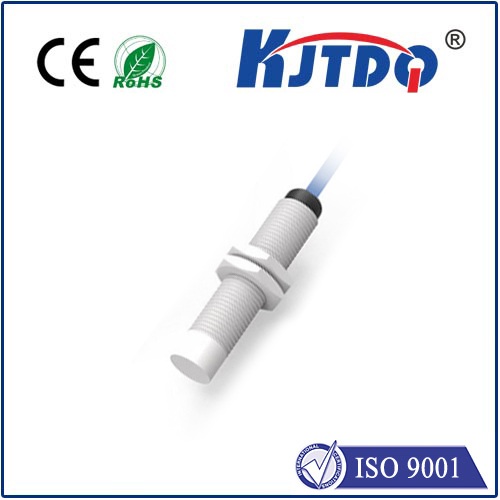
In the demanding world of industrial automation and process control, the reliability and precision of sensing technology are paramount. The BD1.5-P1-M12S-627 High Pressure Proximity Sensor stands as a critical component engineered to meet these rigorous demands. Designed for environments where high pressure is a constant factor, this sensor provides unwavering performance, ensuring operational continuity and safety.
The core functionality of the BD1.5-P1-M12S-627 lies in its ability to detect the presence or absence of metallic objects without physical contact. Utilizing an inductive sensing principle, it generates an electromagnetic field. When a metal target enters this field, it causes a change in oscillation amplitude, which the sensor detects and converts into a clear electrical switching signal. This non-contact operation is crucial in high-pressure applications, as it eliminates mechanical wear and tear, significantly extending the sensor's service life compared to mechanical limit switches.
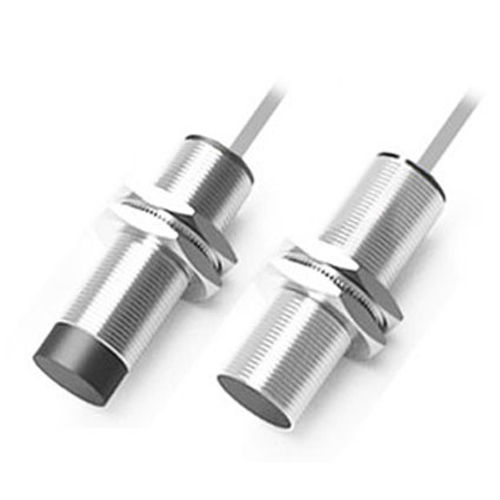
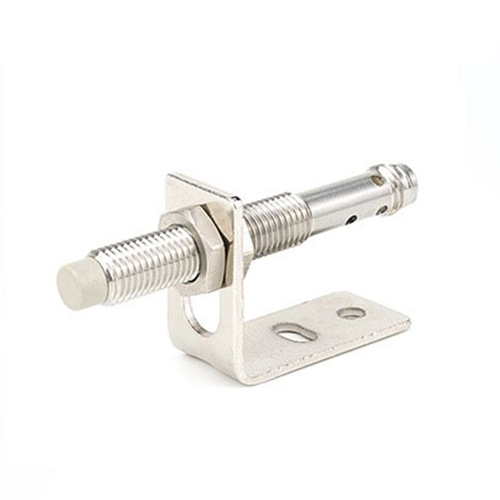
What truly sets the BD1.5-P1-M12S-627 apart is its robust construction specifically tailored for high-pressure conditions. The sensor housing is typically made from high-grade stainless steel, offering exceptional resistance to corrosion and physical impact. The sensing face is designed to withstand direct exposure to pressurized media, making it ideal for use in hydraulic systems, die-casting machines, plastic injection molding equipment, and heavy-duty press lines. The "P1" in its designation often refers to a particular pressure rating or housing style suited for these challenging environments, ensuring the internal electronics are completely shielded from external stresses.
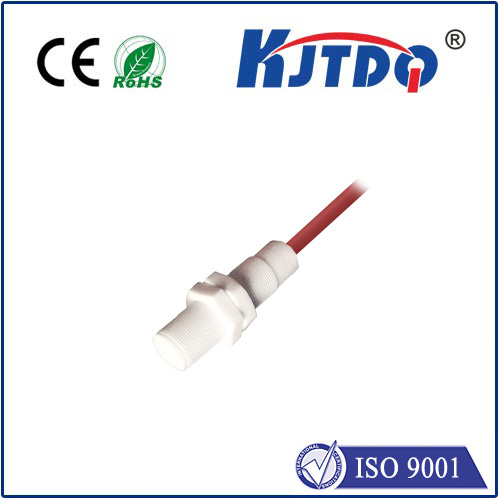
The M12S connector is a key feature, representing a standardized M12 form factor with a 4-pin configuration, often facilitating a PNP (sourcing) output. This industry-standard connection ensures quick, secure, and reliable wiring, reducing installation time and minimizing the risk of connection faults. The threaded barrel design, typically with an M12 or M18 thread, allows for easy and secure mounting in standard sensor brackets or directly into machine housings.
Operational performance specifications of the BD1.5-P1-M12S-627 are optimized for industrial precision. It boasts a nominal sensing distance of 1.5 mm, a standard for many proximity sensors, providing accurate detection within a tight range. Its switching frequency is high enough to track fast-moving machine parts, while its response time is minimal, ensuring real-time feedback for control systems. The sensor is designed to operate reliably across a wide temperature range and is protected against common industrial electrical disturbances like short-circuits, overloads, and reverse polarity.
The application scope for this sensor is vast. In hydraulic power units, it monitors piston position and valve actuation under extreme pressure. Within automotive manufacturing, it ensures precise part positioning in high-pressure stamping and forming processes. In the packaging industry, it can be integrated into machinery that operates with high-pressure air or fluids, guaranteeing cycle accuracy. Its resilience makes it a dependable choice for any setting where equipment is subjected to pulsating pressures, vibrations, and potential fluid ingress.
Selecting the right sensor for high-pressure applications involves several considerations. The BD1.5-P1-M12S-627 addresses these directly. Engineers must evaluate the maximum pressure the sensing face will encounter, the chemical compatibility of the housing material with process media, the required electrical output type to interface with the existing PLC or controller, and the environmental temperature. This sensor model is explicitly developed to provide clear answers to these challenges, offering a blend of durability, accuracy, and integration ease.
Maintenance of the BD1.5-P1-M12S-627 is notably straightforward due to its solid-state design. The absence of moving parts subject to mechanical failure reduces downtime. Regular maintenance typically involves simply checking the integrity of the housing and the security of the electrical connection, as well as ensuring the sensing face remains free of debris or metallic swarf that could cause false triggering. This low-maintenance profile contributes significantly to lower total cost of ownership over the sensor's long lifespan.
In conclusion, the BD1.5-P1-M12S-627 High Pressure Proximity Sensor is more than just a component; it is a reliability solution for critical industrial applications. Its specialized design for high-pressure environments, combined with standard electrical and mechanical interfaces, makes it an indispensable tool for engineers seeking to enhance system robustness, safety, and efficiency. By delivering consistent, contactless detection where it matters most, this sensor helps build the foundation for more resilient and productive automated operations.