check

check

check

check
check
check
check
check

check
check
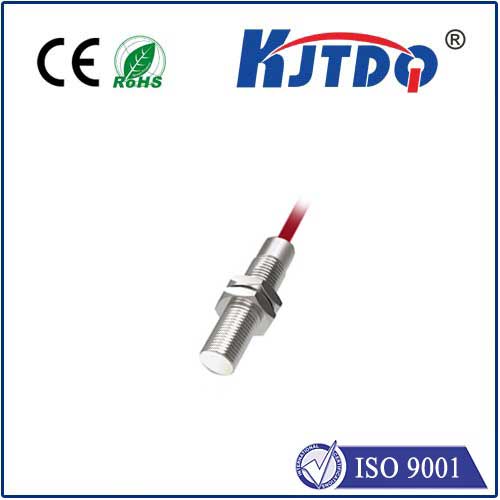
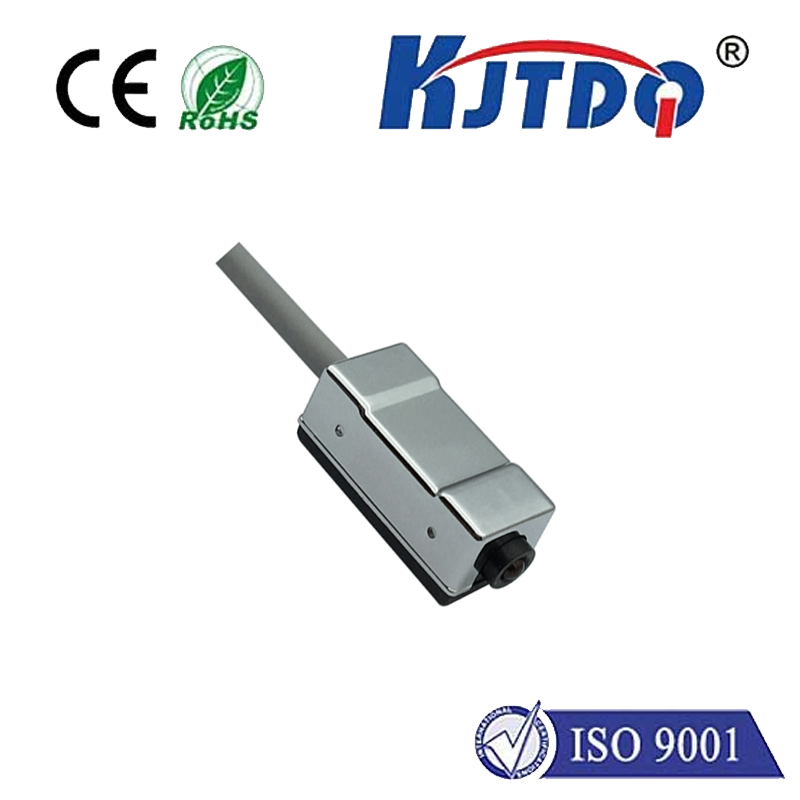
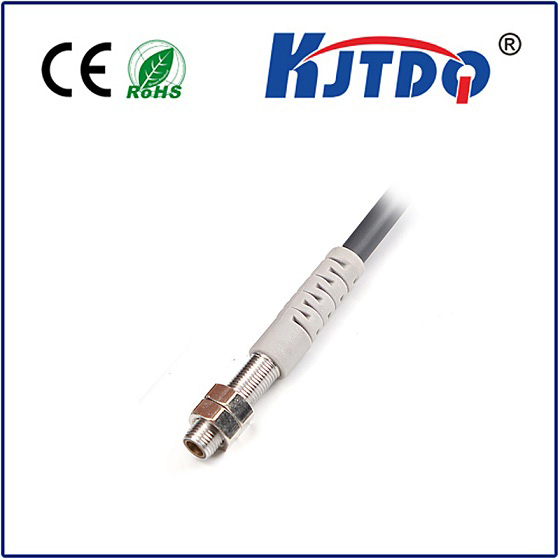
In the demanding world of industrial automation and process control, the reliability and accuracy of sensing technology are non-negotiable. Among the myriad of components that keep complex machinery running smoothly, proximity sensors play a pivotal role. Specifically designed for harsh environments where pressure is a constant factor, the KGG18P3KP-L55 High Pressure Proximity Sensor stands out as a critical solution for engineers and system integrators. This guide delves into the features, applications, and benefits of this robust sensor, providing essential insights for professionals seeking to enhance their operational efficiency and safety.
The KGG18P3KP-L55 is engineered to perform in conditions where standard sensors would fail. Its core design principle revolves withstanding elevated pressure levels while maintaining precise detection capabilities. Constructed from high-grade materials such as stainless steel, the sensor housing offers exceptional resistance to corrosion, mechanical stress, and fluid ingress, typically rated at IP67 or higher. This durability ensures a long operational life even in the most challenging settings, from deep-sea equipment to high-pressure hydraulic systems. The "L55" designation often refers to specific electrical characteristics or connection types, making it crucial to verify the exact specifications against your system's voltage and output requirements, which commonly include DC three-wire configurations with PNP or NPN outputs.
One of the primary applications of the KGG18P3KP-L55 sensor is in hydraulic and pneumatic systems. In these systems, monitoring the position of pistons, cylinders, or valves under high pressure is essential for precise control and safety. The sensor's ability to detect metallic targets without physical contact eliminates wear and tear, reducing maintenance downtime. Furthermore, its stable performance under fluctuating pressure conditions prevents false signals, ensuring that machinery operates as intended. Industries such as manufacturing, automotive, and heavy machinery rely on this reliability to maintain continuous production lines.
Beyond fluid power systems, this high-pressure proximity sensor finds significant use in the oil and gas sector. Downhole tools, drilling equipment, and pipeline monitoring systems operate under extreme pressures. The KGG18P3KP-L55 can be integrated into these tools to provide real-time data on component position or presence, contributing to safer and more efficient extraction processes. Its robust design also makes it suitable for marine applications, including submersible devices and offshore platforms, where saltwater and high pressure are constant challenges.
Installation and integration of the KGG18P3KP-L55 are straightforward, but attention to detail is key. Ensuring proper mounting alignment with the target object is vital for optimal sensing range and accuracy. The sensor should be installed in a location where it is shielded from excessive vibration or direct impact, although its sturdy build can tolerate significant mechanical shock. Wiring must adhere to the specified electrical standards, and regular calibration checks are recommended to maintain performance over time. Many models feature LED indicators for easy status monitoring, simplifying troubleshooting during operation.
When selecting a sensor like the KGG18P3KP-L55, several technical parameters require careful consideration. The sensing distance, typically a few millimeters, must match the application's mechanical tolerances. The operating temperature range ensures functionality in both hot and cold environments. Additionally, the response time is critical for high-speed automation processes where milliseconds matter. Consulting the manufacturer's datasheet provides precise values for these parameters, enabling a perfect match for your specific industrial needs.
The advantages of implementing the KGG18P3KP-L55 High Pressure Proximity Sensor are manifold. It enhances system safety by providing reliable feedback that can prevent equipment failure or accidents. Its non-contact nature leads to lower maintenance costs and increased component longevity. By enabling precise automation, it boosts overall productivity and product quality. In an era where industrial efficiency is paramount, investing in durable and accurate sensing technology like this model is a strategic decision that pays dividends in operational excellence.
In conclusion, the KGG18P3KP-L55 High Pressure Proximity Sensor represents a specialized tool for industrial professionals facing high-pressure environments. Its robust construction, reliable performance, and versatility across sectors make it an indispensable component in modern automation. By understanding its capabilities and proper application, engineers can leverage this technology to build safer, more efficient, and more resilient systems. As industrial demands continue to evolve, such precision instruments will remain at the forefront of technological advancement.