check

check

check

check

check

check
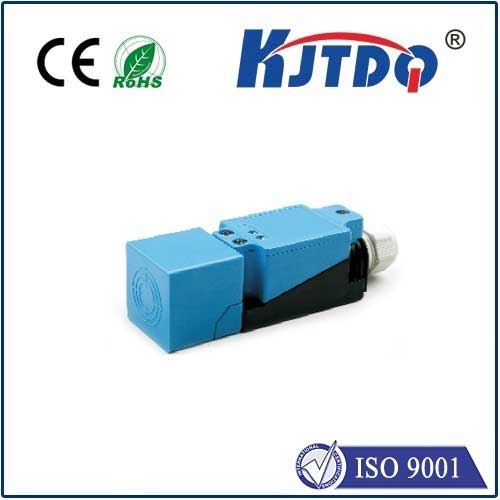
In the world of industrial automation, where reliability is non-negotiable and environmental conditions are often extreme, selecting the right sensing technology is a critical decision. The BES 516-300-S292-BO-D-PU-05 High Pressure proximity sensor stands out as a premier choice for engineers and system integrators facing these challenges. This sensor is not just another component; it is a meticulously engineered solution designed to deliver unwavering performance under the most strenuous conditions, particularly where high-pressure washdowns, corrosive media, or mechanical stress are daily realities.
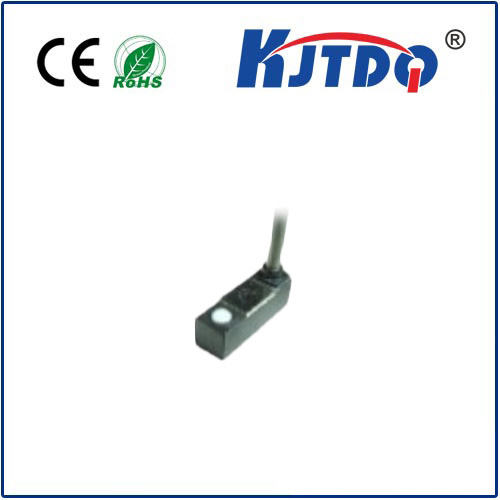
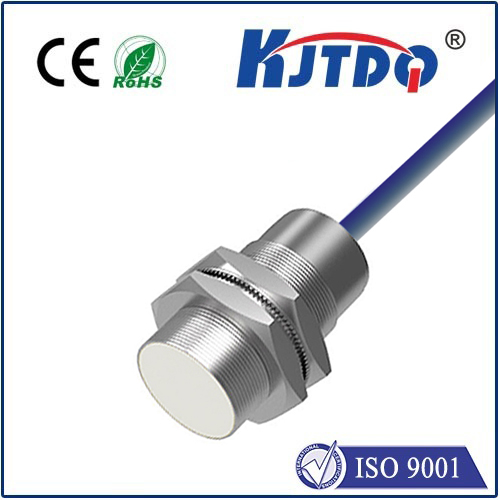
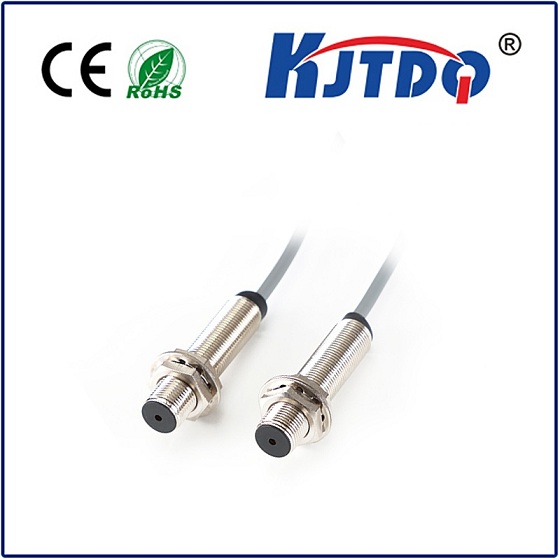
At its core, the BES 516-300-S292-BO-D-PU-05 is an inductive proximity sensor. Its fundamental operating principle involves generating an electromagnetic field. When a metallic target enters this field, it induces eddy currents within the target, causing a change in the sensor's internal oscillation. This change is detected and converted into a clear, binary switching signal. What sets this specific model apart is its robust construction tailored for high-pressure environments. The designation "PU" in its part number signifies a polyurethane cable, known for exceptional resistance to oils, chemicals, and abrasion. This material choice is crucial for longevity in harsh settings where standard PVC cables would quickly degrade.
The sensor's housing is typically crafted from high-grade stainless steel (often V4A/AISI 316L), providing superior corrosion resistance against aggressive cleaning agents, seawater, or acidic atmospheres common in food processing, chemical, or marine applications. The sensing face is made of a specialized, pressure-resistant plastic that ensures the integrity of the internal electronics is maintained even during direct, high-pressure jet cleaning—a routine procedure in industries like pharmaceuticals and dairy. This robust sealing, often meeting IP68 and IP69K ratings, guarantees that neither water nor dust can penetrate the sensor, preventing failures and minimizing downtime.
One of the key operational benefits of the BES 516-300-S292-BO-D-PU-05 is its consistent and precise detection capability. With a nominal sensing range of several millimeters (specific to the model, e.g., 3mm or 5mm), it offers reliable detection of ferrous and non-ferrous metals. The "BO" in its model number typically indicates a Normally Open (NO) switching function, which is a standard and intuitive configuration for control systems. The output is a stable DC signal, compatible with standard programmable logic controllers (PLCs), ensuring seamless integration into existing automation networks without the need for complex signal conditioning.
The real-world applications for this sensor are vast and varied. In automotive manufacturing, it reliably detects piston positions or robotic arm endpoints on assembly lines exposed to coolants and frequent cleaning. Within packaging machinery, it ensures precise carton or bottle positioning, enduring the constant vibration and occasional splashes. Perhaps most notably, in food and beverage production, its hygienic design and ability to withstand high-temperature, high-pressure sterilization (CIP/SIP processes) make it indispensable. It can be mounted directly on valves, pumps, or filling heads, providing critical feedback without becoming a point of failure or contamination.
Installation and maintenance are straightforward, contributing to lower total cost of ownership. The sensor features LED status indicators for quick visual confirmation of operation and switching state. Its compact, cylindrical M18 or M30 form factor (as specified by the "516-300" designation) allows for easy mounting in space-constrained locations. The durable polyurethane cable resists kinking and crushing, reducing installation damage and extending service life significantly compared to less robust alternatives.
When evaluating sensors for demanding applications, the BES 516-300-S292-BO-D-PU-05 presents a compelling case. It transcends basic functionality by addressing the environmental factors that commonly cause sensor failure. Its design philosophy prioritizes durability and signal integrity above all else. For plant managers and maintenance engineers, this translates into fewer unplanned stoppages, reduced spare part inventory, and higher overall equipment effectiveness (OEE). By investing in a sensor built for the challenge, companies safeguard their production continuity and protect their bottom line from the costly disruptions caused by component failure.
In conclusion, the BES 516-300-S292-BO-D-PU-05 is more than a part number; it represents a commitment to resilience in industrial sensing. For applications where pressure, corrosion, and rigorous cleaning are part of the standard operating procedure, this high-pressure proximity sensor delivers the reliability that modern industry demands. It ensures that the simplest task—detecting the presence or position of an object—is performed flawlessly, day after day, forming a dependable foundation for complex automated systems.