check

check

check

check

check

check
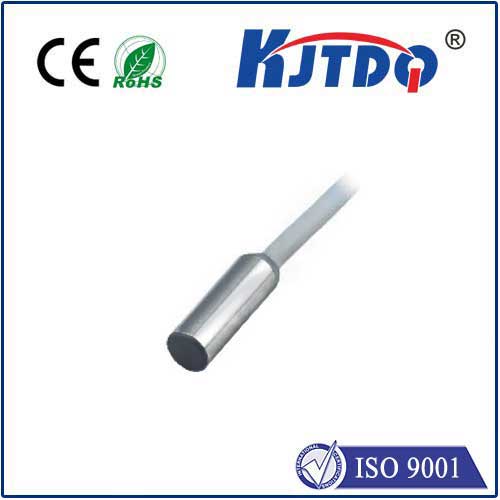
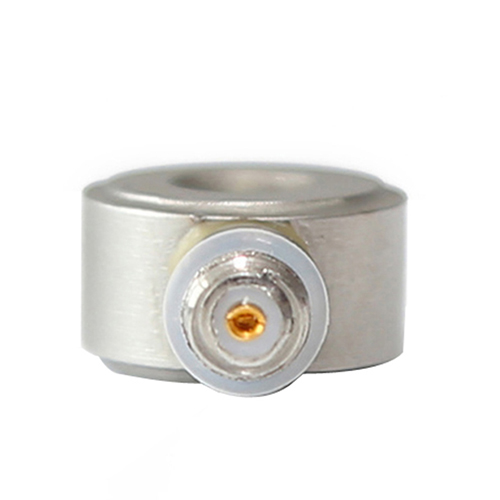
In the demanding world of industrial automation, where machinery operates under extreme pressures and in unforgiving conditions, sensor reliability is not just a preference—it's an absolute necessity. Downtime caused by sensor failure can lead to catastrophic production losses and safety hazards. This is where the MFS211 High Pressure Proximity Sensor steps in, engineered specifically to deliver unwavering performance where standard sensors falter. Designed to withstand the rigors of high-pressure applications, this sensor represents a significant leap in durability and precision for critical industrial processes.
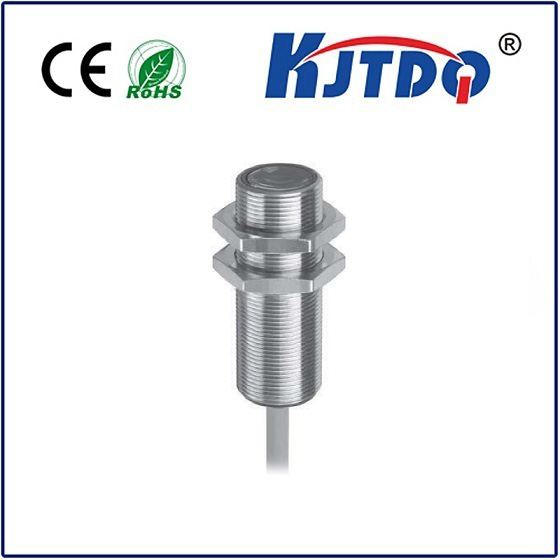
The core strength of the MFS211 lies in its robust construction. Unlike conventional inductive proximity sensors, it is housed in a specially engineered stainless-steel casing capable of withstanding ambient pressures that would compromise or destroy lesser components. This makes it an ideal choice for applications in hydraulic systems, deep-sea equipment, high-pressure cleaning machinery, and oil & gas extraction processes. The sensor's design ensures that its sensing capabilities remain stable and accurate, even when subjected to significant external force from the surrounding medium. It consistently provides reliable detection of metallic targets, offering a critical feedback loop for system control and safety monitoring.
One of the key operational benefits of the MFS211 is its exceptional resistance to shock and vibration. In environments like heavy stamping presses, mining equipment, or offshore platforms, constant mechanical stress is a given. The MFS211 is built to absorb these impacts without degradation in performance, ensuring long-term operational integrity. Its high-pressure rating is complemented by a superior degree of ingress protection, typically rated at IP67 or higher, safeguarding its internal electronics from dust, moisture, and temporary immersion. This dual protection—against both physical pressure and environmental contaminants—makes it a uniquely resilient component.
Installation and integration of the MFS211 into existing systems are streamlined for efficiency. It features standard mounting threads and output configurations compatible with prevalent PLC (Programmable Logic Controller) systems. Whether requiring a PNP or NPN output, or a specific cable connection, the sensor offers flexible options to suit various electrical setups. Maintenance teams appreciate its straightforward design, which minimizes the need for frequent calibration or replacement. The long service life of the MFS211 directly translates to reduced total cost of ownership, fewer production interruptions, and enhanced overall equipment effectiveness (OEE).
From a performance specification standpoint, the MFS211 delivers precise switching points with minimal hysteresis. This accuracy is crucial in applications where the position of a piston, valve, or actuator under high pressure must be known with certainty. The sensor's sensing range is optimized for its high-pressure housing, providing a reliable detection distance that operators can trust. Advanced models may include features like short-circuit protection, reverse polarity protection, and LED status indicators, adding layers of diagnostic capability and operational safety.
In conclusion, the MFS211 High Pressure Proximity Sensor is more than just a component; it is a strategic asset for any operation facing extreme pressure conditions. Its development addresses a clear gap in the market for sensors that do not sacrifice functionality for durability. By choosing the MFS211, engineers and plant managers invest in predictability, safety, and continuous productivity. It stands as a testament to engineering focused on solving real-world industrial challenges, ensuring that even under immense pressure, your monitoring and control systems perform flawlessly.