check

check

check

check

check

check
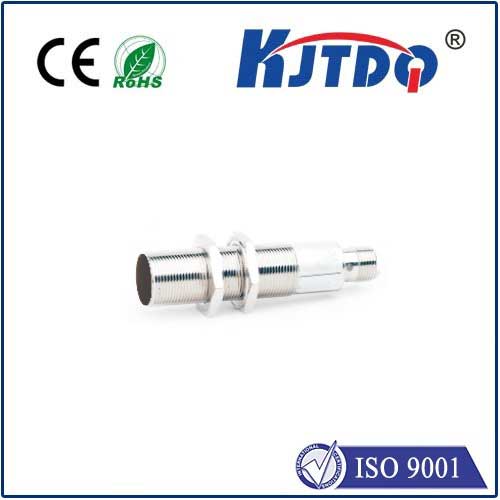
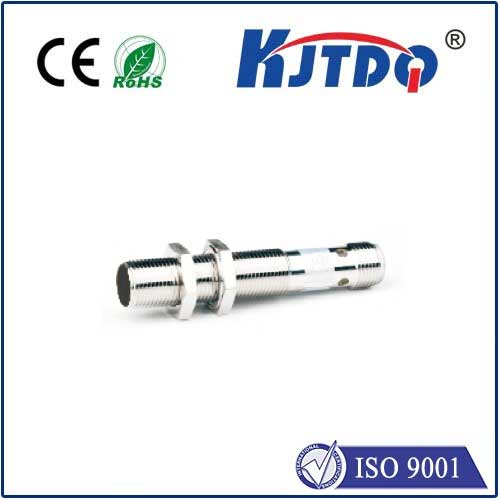
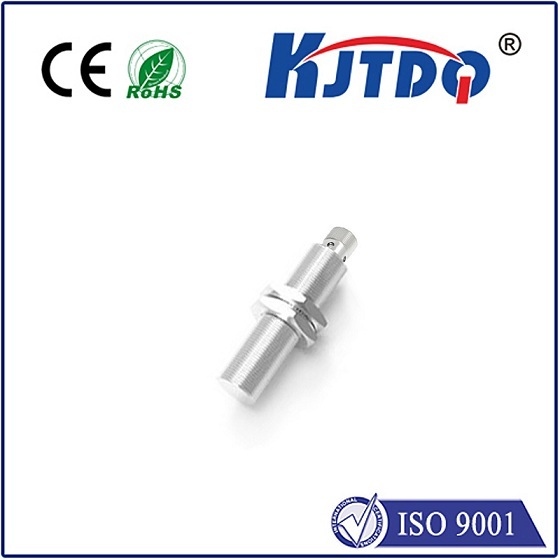
In the complex world of industrial automation and process control, the reliability of individual components is paramount. The BHS B400V-PSD25-S04-003, also known by its part number BHS0065, stands out as a critical solution for high-pressure environments where precision and durability are non-negotiable. This high-pressure proximity sensor is engineered to deliver consistent performance under extreme conditions, making it an indispensable tool for sectors such as hydraulic systems, heavy machinery, oil and gas, and high-pressure manufacturing lines.
The core functionality of the BHS B400V-PSD25-S04-003 sensor lies in its ability to detect the presence or absence of a target object without physical contact. Operating on the inductive principle, it generates an electromagnetic field. When a metallic target enters this field, it causes a change in the oscillation amplitude, which the sensor's circuitry detects and converts into a clear electrical switching signal. What sets the BHS0065 apart is its specialized design to withstand exceptionally high pressures. The robust housing and sealed construction ensure that internal components remain protected from the intense forces present in hydraulic cylinders, press machines, or pipeline systems. This resilience directly translates to reduced downtime and maintenance costs, as the sensor can endure the stresses that would compromise standard models.
Key specifications of this sensor include its nominal operating voltage, typically in the 10-30V DC range, ensuring compatibility with standard industrial control systems. The PSD25 designation often refers to its specific form factor and sensing distance, which is optimized for precise detection in confined spaces. The "S04-003" suffix typically indicates the electrical connection type and output configuration, such as a PNP normally open (NO) or normally closed (NC) output, providing flexibility for various control logic setups. Its high switching frequency allows it to respond rapidly to target movements, which is crucial for high-speed automation processes.
The application areas for the BHS B400V-PSD25-S04-003 are vast and critical. In hydraulic press monitoring, it ensures that piston positions are accurately reported, preventing over-travel and potential machine damage. Within the oil and gas industry, it is deployed in wellhead equipment and valve actuation systems, where it must perform flawlessly despite exposure to high pressures and potentially harsh fluids. Automotive manufacturers utilize it in stamping and molding presses to synchronize operations and enhance safety. Its reliability also makes it suitable for plastic injection molding machines, where it monitors clamp position under tremendous tonnage.
Selecting the right sensor for a high-pressure application involves several considerations beyond just pressure rating. Engineers must evaluate the sensing distance required, the target material (ferrous metals are typically detected), the environmental temperature range, and the required ingress protection (IP) rating for dust and moisture. The BHS0065 is designed to meet these rigorous demands, often featuring high IP ratings like IP67, which signifies complete protection against dust and temporary immersion in water. This makes it suitable for washdown environments in food and beverage processing as well.
Installation and maintenance are straightforward but require attention to detail. The sensor should be mounted securely to avoid vibration-induced errors, and the sensing face must be kept clear of debris, paint, or buildup that could attenuate the electromagnetic field. Regular functional checks are recommended as part of a preventive maintenance schedule to ensure long-term operational integrity. The robust design of the BHS B400V-PSD25-S04-003 means that when installed correctly, it provides years of trouble-free service, contributing to overall system efficiency and safety.
In conclusion, the BHS B400V-PSD25-S04-003 (BHS0065) high-pressure proximity sensor represents a fusion of precision sensing technology and rugged industrial design. It addresses the specific challenge of reliable non-contact detection in environments where pressure is a dominant and destructive force. For system integrators, maintenance engineers, and plant managers, incorporating this sensor into critical machinery is a strategic decision that enhances operational reliability, protects capital investment, and ensures continuous production flow. Its performance under pressure is not just a feature but a fundamental requirement for modern, resilient industrial operations.