check

check

check

check

check

check
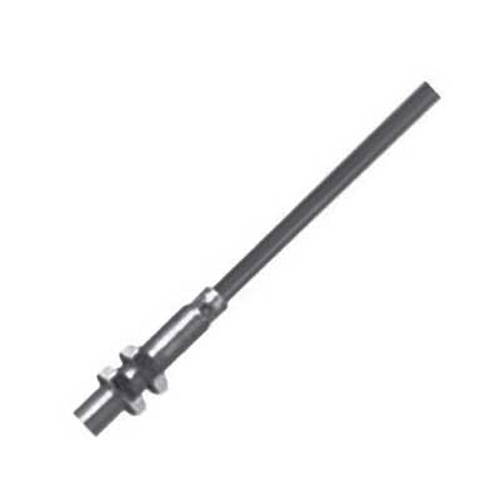
In the relentless world of industrial automation, where machinery operates under extreme pressures and in unforgiving conditions, the reliability of every component is paramount. Sensor failure is not merely an inconvenience; it can lead to catastrophic downtime, compromised safety, and significant financial loss. This is where precision engineering makes all the difference. The KJTDQ BD1.5-P4-M12S-630 High Pressure Proximity Sensor stands as a testament to this principle, engineered specifically to deliver unwavering performance where standard sensors falter.
The core challenge in high-pressure applications, such as hydraulic systems, die-casting machines, plastic injection molding, and heavy-duty press lines, is the constant exposure to intense physical forces. Vibration, shock, and the sheer pressure of the operating environment can quickly degrade or disable less robust sensing devices. The BD1.5-P4-M12S-630 is built from the ground up to withstand these rigors. Its name reveals its key specifications: a sensing distance of 1.5mm, a P4 performance class ensuring exceptional repeatability and temperature stability, a standard M12 connector for easy integration, and a remarkable pressure resistance rated up to 630 Bar. This last figure is not just a number; it represents a formidable barrier against failure, allowing the sensor to be installed directly into high-pressure hydraulic lines or manifolds without the need for additional protective housings or complex mounting solutions.
What truly sets this inductive proximity sensor apart is its meticulous construction. The housing is typically crafted from high-grade, corrosion-resistant stainless steel, providing an immune shield against moisture, coolants, and aggressive industrial chemicals. The sensing face is exceptionally rugged, designed to resist physical abrasion from particulate matter often present in harsh environments. Internally, the electronics are potted or encapsulated, a critical process that secures all components against the damaging effects of intense vibration and thermal cycling. This robust design ensures a long operational lifespan, reducing the total cost of ownership by minimizing replacement frequency and maintenance interventions.
From an operational standpoint, the KJTDQ BD1.5-P4-M12S-630 offers consistent and accurate detection of metallic targets. Its short-range, 1.5mm sensing capability is ideal for applications requiring precise positioning or presence verification in tight spaces. The P4 class designation guarantees that its switching point remains stable even with fluctuations in supply voltage or ambient temperature, a common occurrence in industrial settings. This reliability translates directly to process stability. Whether it's confirming the end position of a hydraulic cylinder, monitoring the closure of a high-pressure valve, or ensuring a mold is securely in place before injection, this sensor provides the critical feedback needed for automated control systems to function flawlessly.
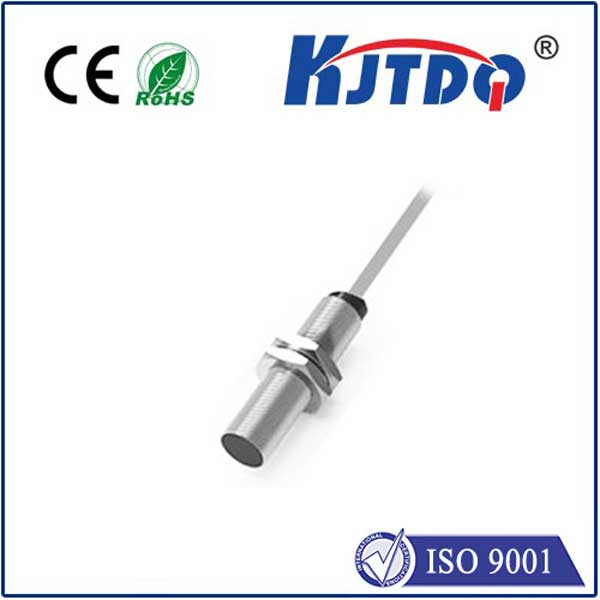
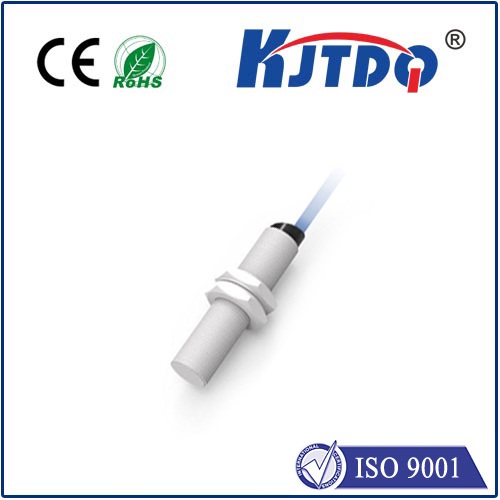
Installation and integration are streamlined for efficiency. The standardized M12 4-pin connector is ubiquitous in factory automation, allowing for quick wiring and connection to PLCs (Programmable Logic Controllers) and other control units. The compact cylindrical design facilitates mounting in confined locations. For system designers and maintenance engineers, this sensor eliminates guesswork and customization, offering a proven, off-the-shelf component that meets rigorous international standards for performance and safety in high-pressure zones.
Ultimately, selecting a sensor for critical high-pressure applications is a decision that impacts overall system integrity. The KJTDQ BD1.5-P4-M12S-630 High Pressure Proximity Sensor is more than just a component; it is a strategic investment in uptime, safety, and precision. It embodies a commitment to engineering excellence, providing a dependable and durable solution that empowers industries to push the boundaries of productivity without compromising on reliability. For engineers seeking to fortify their systems against the demands of extreme pressure environments, this sensor represents a clear and confident choice.