check

check

check

check

check

check
In industrial automation and process control, the ability to accurately detect the presence or position of objects under extreme conditions is not just a convenience—it’s a critical requirement for safety, efficiency, and system integrity. This is where high-pressure proximity sensors come into play, and among the leading solutions in this specialized field is the KGG18P3KP High Pressure Proximity Sensor. Engineered to deliver unwavering performance in challenging environments, this sensor represents a significant advancement in sensing technology.
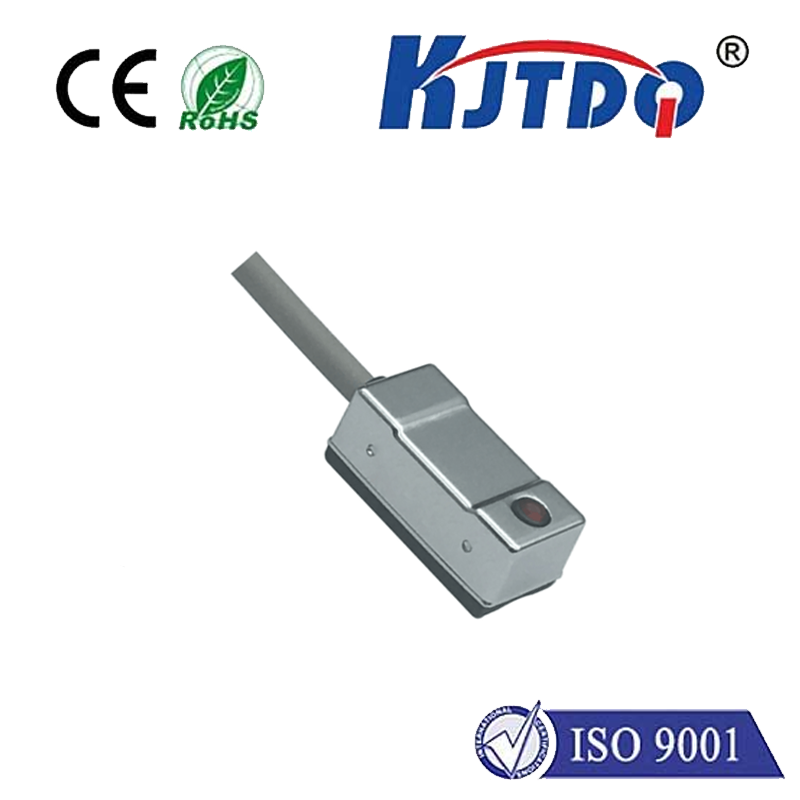
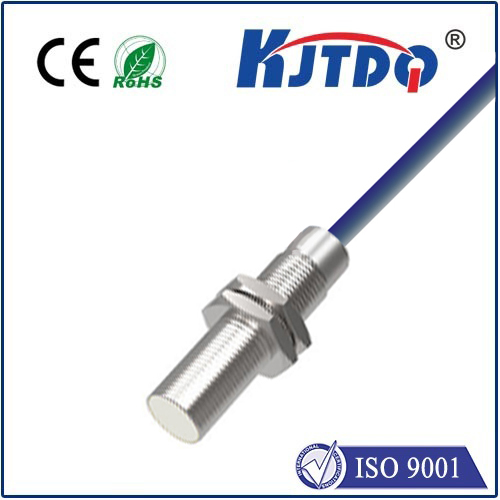
The KGG18P3KP is specifically designed to operate reliably in applications involving high-pressure fluids or gases. Traditional inductive or capacitive sensors can falter when subjected to the mechanical stresses, potential media ingress, and electromagnetic interference common in hydraulic systems, die-casting machines, injection molding equipment, and high-pressure testing rigs. The KGG18P3KP overcomes these hurdles through a robust construction that typically features a stainless steel housing, often rated to IP67 or higher, ensuring protection against dust and temporary immersion. Its sensing face is built to withstand direct exposure to pressures that would compromise standard sensors, allowing for direct installation in pressurized zones without the need for complex and failure-prone mechanical isolation.
At the core of its functionality is a high-precision sensing element. Utilizing advanced inductive or specialized pressure-resistant technology, the KGG18P3KP provides non-contact detection of metallic targets. This non-contact operation is vital, as it eliminates wear and tear, ensuring a long service life even with constant cycling. The sensor offers exceptional repeat accuracy, meaning it consistently detects a target at the exact same point every time, which is paramount for precision machining and automated assembly processes. Its switching frequency is optimized for fast-moving systems, enabling real-time control feedback without lag.
Installation and integration are streamlined for user convenience. The KGG18P3KP often comes in a compact, cylindrical form factor (like M18), a standard in industrial settings, making it easy to mount in existing setups. It is available in both PNP (sourcing) and NPN (sinking) output configurations, providing compatibility with a vast array of programmable logic controllers (PLCs) and control systems from major manufacturers worldwide. Many models feature LED status indicators for quick visual confirmation of operation and switching state, simplifying diagnostics and maintenance.
The operational benefits translate directly into tangible advantages for operations managers and plant engineers. First and foremost is enhanced system reliability. By providing a fail-safe detection point within high-pressure circuits, the sensor helps prevent machine damage, product defects, and unplanned downtime. This reliability underpins increased overall equipment effectiveness (OEE). Furthermore, its durability reduces the total cost of ownership by minimizing replacement frequency and maintenance interventions. In safety-critical applications, such as monitoring hydraulic cylinder end positions or confirming clamp status, the sensor's robust performance contributes directly to a safer working environment.
Consider its application in a high-pressure hydraulic press. The KGG18P3KP can be tasked with verifying the retracted position of a piston before the next cycle begins. Its ability to function flawlessly despite pressure spikes and potential fluid contamination ensures the cycle only proceeds when it is safe to do so, protecting both the machinery and the operators. In plastic injection molding, it can detect the position of the screw or the mold closing mechanism under extreme injection pressures, ensuring precise shot volume and consistent product quality.
Selecting the right sensor for a high-pressure application requires careful consideration. Key specifications to review include the maximum pressure rating, the sensing distance, the target material (typically ferrous metals), the operating temperature range, and the electrical connection type. The KGG18P3KP is designed with these parameters optimized for harsh conditions. It is always recommended to consult technical datasheets and, when necessary, application engineers to ensure the selected model matches the specific media, pressure peaks, and environmental factors of the installation.
In conclusion, the KGG18P3KP High Pressure Proximity Sensor stands as a specialized tool for a demanding niche. It goes beyond basic object detection to offer a solution built for endurance and precision where standard sensors would fail. By integrating this sensor into high-pressure systems, industries can achieve greater control, enhance safety protocols, reduce operational costs, and push the boundaries of automation in the most challenging segments of manufacturing and processing. Its value lies in its silent, reliable operation—a critical component enabling modern industry to function with confidence under pressure.