check

check

check

check

check

check
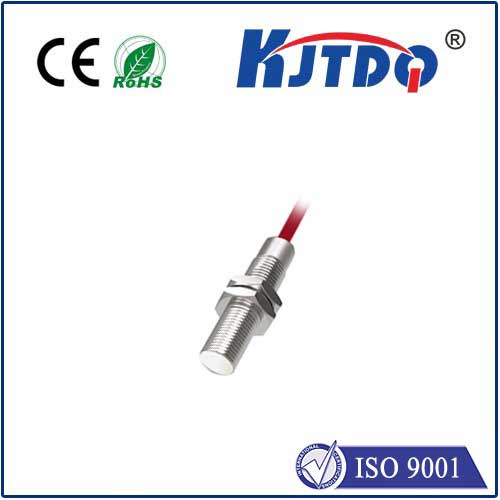
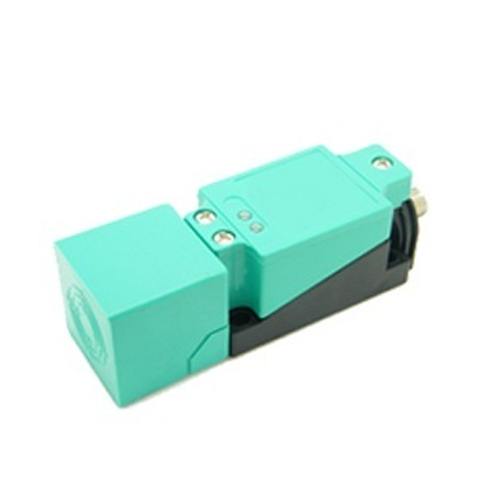
In the high-stakes world of industrial automation, where machinery operates under extreme pressures and in harsh environments, the reliability of every component is non-negotiable. System failures can lead to catastrophic downtime, safety hazards, and significant financial loss. This is where precision sensing technology becomes the unsung hero, ensuring seamless operation and process integrity. The BES 516-300-S241-D-PU-05, also known by its order code BHS002P, stands out as a premier example of engineering excellence designed to meet these rigorous demands. This high-pressure inductive proximity sensor is not just another component; it is a critical safeguard for modern industrial systems.
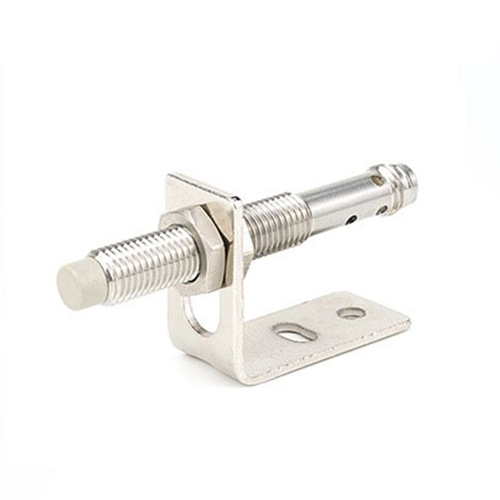
Engineered for resilience, the BES 516-300-S241-D-PU-05 is specifically built to perform in conditions that would compromise standard sensors. Its defining characteristic is its ability to withstand exceptionally high surrounding pressures. While many sensors function well at atmospheric pressure, they falter when installed in hydraulic systems, deep-sea equipment, or high-pressure processing units. The BHS002P model thrives in these environments. Its robust stainless-steel housing and specialized design prevent housing collapse and internal component failure, ensuring stable switching characteristics even when external pressures soar. This makes it an indispensable tool for applications in offshore drilling, hydraulic press monitoring, high-pressure cleaning systems, and industrial gas processing.
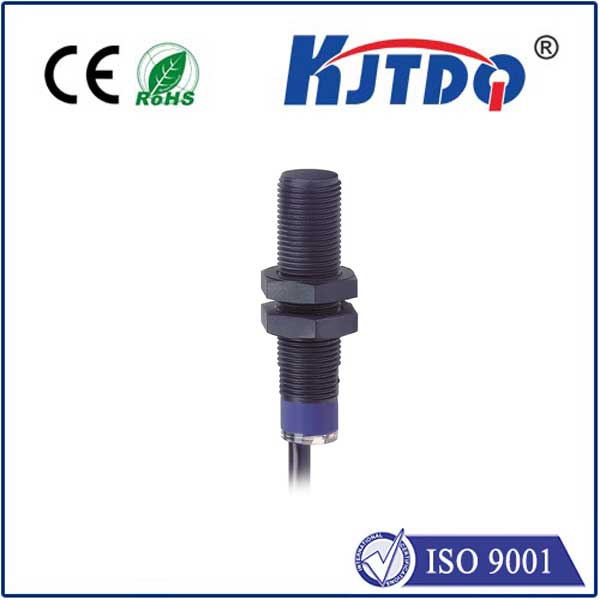
The sensor's technical specifications reveal its capability. As an inductive proximity sensor, it detects metallic objects without physical contact, using an electromagnetic field. The "PU" in its part number signifies a PNP normally open (NO) switching function, a common configuration for easy integration into control systems. The housing is rated IP67, guaranteeing protection against dust ingress and temporary immersion in water. However, its true differentiator is the high-pressure rating, which specifically addresses the mechanical stress exerted on the sensor body in pressurized chambers or fluid systems. This focus on mechanical integrity ensures that the sensing face and electronics remain perfectly functional, providing accurate and repeatable detection of piston positions, valve closures, or machine part presence.
Beyond its pressure resistance, the BES 516-300-S241-D-PU-05 offers exceptional operational reliability. Its non-contact sensing principle eliminates wear and tear associated with mechanical switches, leading to a long, maintenance-free service life. This translates directly to reduced total cost of ownership, as it minimizes unplanned stoppages for sensor replacement. For plant managers and engineers, this reliability is paramount. It contributes to higher Overall Equipment Effectiveness (OEE) by increasing asset availability and performance. Integrating this sensor into a control loop enhances system automation, allowing for precise sequencing, safety interlocks, and condition monitoring without the risk of failure due to environmental pressure spikes.
Choosing the right sensor for high-pressure applications requires careful consideration. The BHS002P model provides a proven solution from a lineage of trusted industrial sensing technology. Its design prioritizes not just signal accuracy but also long-term durability under stress. When specifying components for a new system or upgrading an existing one, opting for a sensor engineered for the specific environmental challenge is crucial. The BES 516-300-S241-D-PU-05 represents this targeted approach, offering peace of mind and operational continuity.
In conclusion, the demands of advanced manufacturing, energy exploration, and heavy machinery necessitate components that go beyond standard specifications. The BES 516-300-S241-D-PU-05 (BHS002P) High Pressure Proximity Sensor meets this challenge head-on. By delivering unwavering accuracy and robustness in the face of extreme surrounding pressures, it secures process reliability, protects valuable assets, and supports the complex automation that drives industry forward. For engineers seeking a dependable, high-performance sensing solution, this sensor is a definitive answer to the unique problems posed by high-pressure industrial environments.