check

check

check

check

check

check
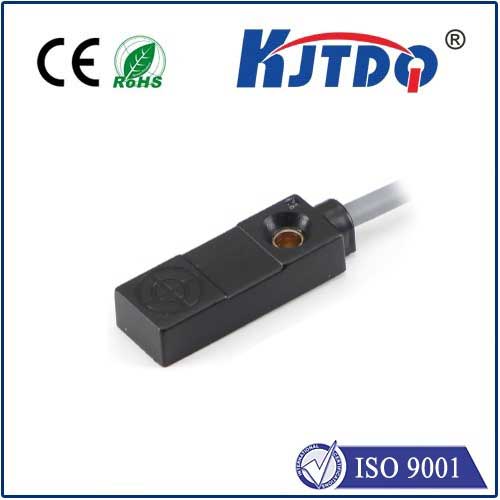
In the world of industrial automation and process control, the ability to accurately detect objects or measure positions under extreme conditions is not just a convenience—it's a critical requirement for safety, efficiency, and productivity. This is where high-performance proximity sensors come into play, and among the leading solutions in this category is the KGG13L3KN High Pressure Proximity Sensor. Engineered to deliver exceptional performance in challenging environments, this sensor represents a significant advancement in sensing technology.
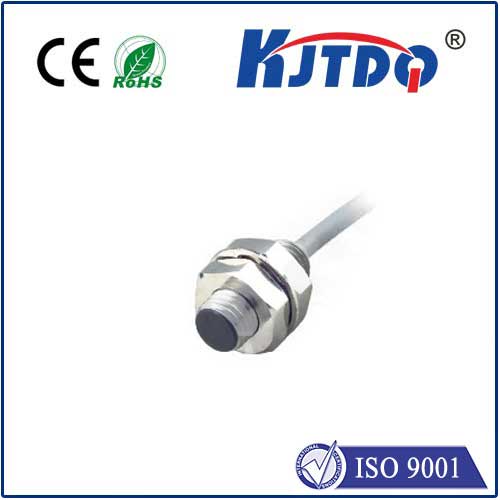
The KGG13L3KN is specifically designed to operate reliably under high-pressure conditions that would compromise or destroy standard sensors. Its robust construction typically involves a stainless steel housing and sensing face, providing superior resistance to physical impacts, corrosion, and the ingress of fluids. This makes it an ideal choice for applications in industries such as hydraulic systems, die-casting machines, plastic injection molding, and high-pressure testing equipment. In these settings, sensors are exposed to intense forces, aggressive media, and rapid pressure fluctuations. The KGG13L3KN is built to withstand these rigors, ensuring consistent and fail-safe operation.
At the core of its functionality is advanced sensing technology. While specific technical details may vary by manufacturer, a sensor like the KGG13L3KN often utilizes an inductive or capacitive principle to detect metallic or non-metallic targets without physical contact. This non-contact operation is crucial as it eliminates mechanical wear, leading to a dramatically longer service life and reduced maintenance costs. The "High Pressure" designation indicates that its internal components and seals are specially engineered to maintain integrity and accuracy even when external ambient pressure is significantly elevated, preventing false signals or sensor failure.
Key performance characteristics of the KGG13L3KN series typically include a high switching frequency, allowing it to detect very fast-moving objects on production lines. It also offers excellent temperature stability, functioning accurately across a wide operational range. The sensing distance is precise and repeatable, which is vital for quality control processes where minute positional errors can lead to defective products. Many models feature LED status indicators for easy diagnostics, helping maintenance personnel quickly verify operational status and streamline troubleshooting.
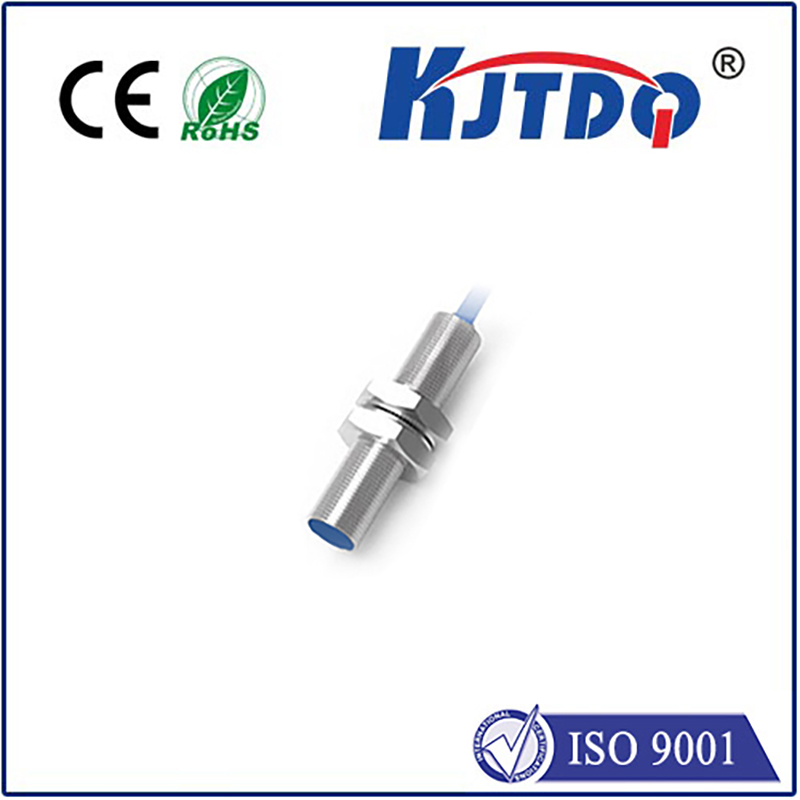
Installation and integration are straightforward. These sensors often come in standardized housing sizes (like M12 or M18 threaded barrels) compatible with common industrial mounting fixtures. They usually support various output types, such as PNP (sourcing) or NPN (sinking) transistor outputs, and sometimes analog or IO-Link versions, making them adaptable to a wide array of control systems including PLCs (Programmable Logic Controllers). This versatility simplifies the upgrade or design of automated systems.
The benefits of implementing the KGG13L3KN High Pressure Proximity Sensor are substantial. First and foremost is enhanced system reliability. By providing accurate detection in harsh conditions, it prevents machine jams, misalignments, and potential safety hazards. This directly translates to increased uptime and higher overall equipment effectiveness (OEE). Secondly, its durability reduces the total cost of ownership. Fewer sensor replacements mean lower spare parts inventory and less downtime for maintenance. Finally, the precision it delivers contributes to improved product quality and process consistency, which are key competitive advantages in manufacturing.
In conclusion, the KGG13L3KN High Pressure Proximity Sensor is more than just a component; it is a robust and intelligent solution for modern industrial challenges. Its ability to perform with precision under high pressure makes it an indispensable tool for engineers and system integrators aiming to build resilient, efficient, and safe automation systems. When selecting a sensor for demanding applications, specifying a proven performer like the KGG13L3KN ensures that detection reliability is one less variable to worry about, allowing focus to remain on core production goals and innovation.