check

check

check

check

check

check
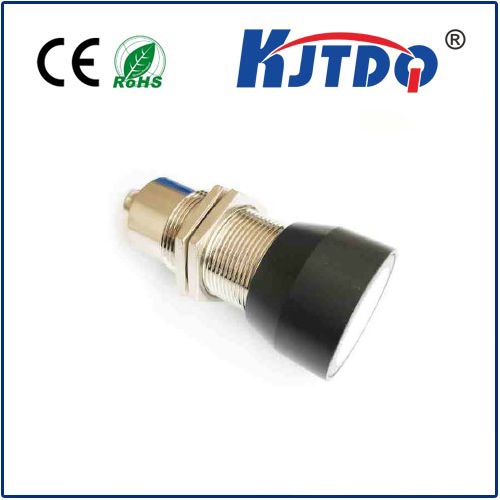
In the demanding world of industrial automation, where machinery operates under extreme conditions, the reliability of every component is paramount. Among these critical components, proximity sensors play a vital role in non-contact detection, ensuring safety and precision. The DW-AS-523-P12 High Pressure Proximity Sensor stands out as a specialized solution engineered for environments where standard sensors would fail. This guide delves into the features, applications, and benefits of this robust sensor, providing essential insights for engineers and procurement specialists.
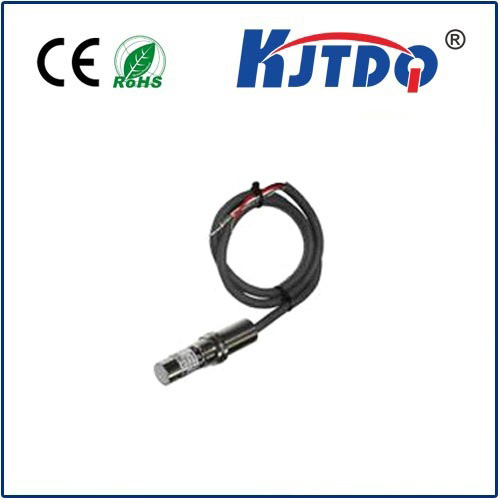
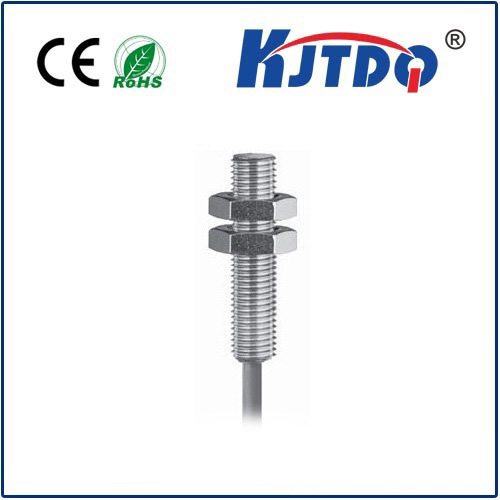
The core challenge in high-pressure environments, such as those found in hydraulic systems, die-casting machines, or deep-sea equipment, is maintaining sensor integrity and accuracy. Standard inductive or capacitive sensors can suffer from housing deformation, seal failure, or signal drift when subjected to sustained high pressure. The DW-AS-523-P12 is specifically designed to counteract these issues. Its construction typically involves a stainless steel housing rated to withstand significant external pressure, often exceeding several hundred bar. This robust physical design ensures that the sensor body does not compress or warp, which could alter the sensing distance or damage internal electronics.
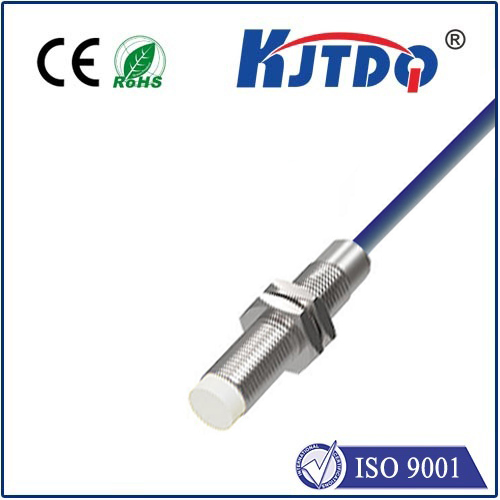
Beyond its rugged housing, the sensing technology itself is optimized for consistency. Utilizing a high-frequency oscillation principle, the sensor can detect the presence of metallic targets with remarkable stability, even when the surrounding medium is a dense fluid or the ambient pressure is fluctuating. The "P12" designation often relates to its electrical connection and output type, commonly a PNP normally open configuration with a pre-wired cable or a high-grade connector that itself is pressure-rated. This attention to detail in connectivity prevents the most common point of failure—the entry point for cables—from becoming a vulnerability.
The applications for the DW-AS-523-P12 are diverse and critical. In hydraulic press monitoring, it is used to confirm the position of pistons or valves, providing essential feedback for control systems to sequence operations safely. Within the oil and gas industry, it can be deployed on subsea equipment to monitor tool positioning or valve status, where failure is not an option. Another key application is in high-pressure die-casting, where it detects the position of the injection plunger inside the cold chamber, a process step where timing and precision directly impact product quality and equipment longevity. Its ability to perform in these harsh conditions reduces unplanned downtime, a major cost driver in industrial operations.
Installation and integration of the DW-AS-523-P12 follow standard practices for industrial sensors, but with added considerations for its high-pressure rating. It is crucial to ensure that the mounting surface is clean and flat to avoid creating uneven stress on the housing. The sensor should be torqued to the manufacturer's specified value, as over-tightening can damage the housing or seals, while under-tightening may compromise the pressure seal. When integrating into a control system, users benefit from its stable switching signal, which interfaces seamlessly with standard PLCs (Programmable Logic Controllers) without requiring special signal conditioning.
Selecting the right sensor for a high-pressure application involves several factors. First, verify the maximum pressure rating against the application's peak operating pressure, including any potential pressure spikes. Second, consider the target material; this sensor is designed for ferrous metals, and the nominal sensing distance may be slightly reduced compared to standard atmospheric use. Environmental factors like temperature range, potential fluid compatibility (e.g., resistance to hydraulic oils or saltwater), and required certifications (e.g., IP rating for ingress protection) must also align with the operational environment.
In conclusion, the DW-AS-523-P12 High Pressure Proximity Sensor represents a focused answer to a specific and challenging set of industrial conditions. Its value lies not just in its durability but in the operational certainty it provides. By ensuring accurate position feedback in systems where pressure is a dominant factor, it contributes directly to enhanced safety, improved process reliability, and reduced maintenance costs. For any application where pressure is a constant companion, specifying a sensor like the DW-AS-523-P12 is not an over-engineering luxury but a fundamental requirement for robust and reliable automation.