check

check

check

check

check

check
In the world of industrial automation, precision and reliability are not just desirable—they are essential. The PR18-B0DPO photoelectric switch stands as a testament to this principle, offering a robust sensing solution for a myriad of demanding applications. This comprehensive guide delves into the features, benefits, and practical uses of this versatile sensor, explaining why it has become a trusted component in factories, warehouses, and processing plants worldwide.
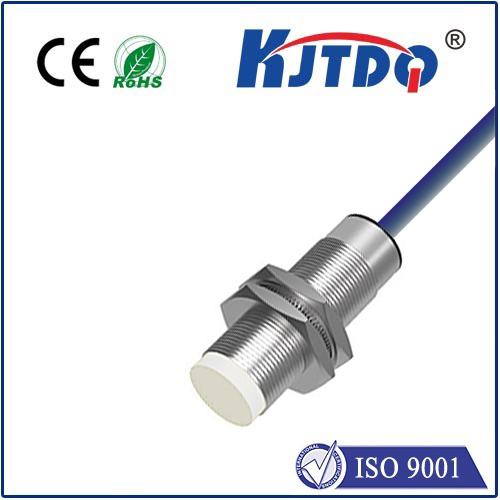
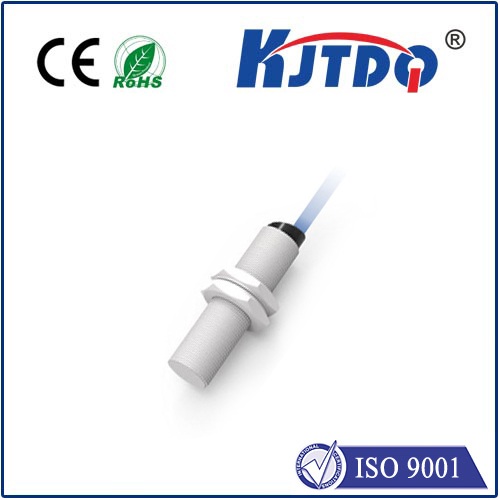
At its core, the PR18-B0DPO is a diffuse reflective photoelectric sensor. It operates by emitting a beam of light from its built-in LED and detecting the light that is reflected back from a target object. Unlike through-beam sensors that require a separate receiver, this all-in-one design simplifies installation and reduces system complexity. The "B0" in its model name often indicates a specific sensing distance or output configuration, making it crucial for engineers to consult the datasheet for exact specifications tailored to their needs. The housing is typically constructed from durable, nickel-plated brass or high-grade plastic, providing excellent resistance to environmental factors like dust, moisture, and incidental impacts common in industrial settings.
The advantages of integrating the PR18-B0DPO into a system are numerous. First and foremost is its exceptional reliability. With a high switching frequency and minimal hysteresis, it delivers consistent performance for tasks such as object detection, counting, and positioning on high-speed conveyor lines. Its diffuse sensing mode is particularly effective for detecting objects regardless of their surface color or reflectivity to a certain degree, although highly reflective or absorbent surfaces may require fine-tuning of the sensitivity potentiometer. Many models feature a visible red sensing beam, allowing for easy alignment and setup during installation, which saves valuable time and reduces commissioning errors.
Another significant benefit is its versatility in output options. The PR18-B0DPO is commonly available with both PNP (sourcing) and NPN (sinking) transistor outputs, denoted by the suffix, making it compatible with a wide range of programmable logic controllers (PLCs) and control systems from different manufacturers. This flexibility ensures seamless integration into existing automation architectures. Furthermore, these sensors often come with a choice of light-on or dark-on operation modes, providing additional control logic for diverse application requirements.
Practical applications for the PR18-B0DPO photoelectric switch are vast. In packaging machinery, it ensures precise carton presence detection before sealing. On assembly lines, it verifies the correct placement of components. Within material handling systems, it counts boxes, bottles, or parts with high accuracy. It can also be used for level detection in silos or bins, preventing overflows or shortages. The key to successful deployment lies in understanding the specific environmental conditions—such as ambient light, target material, and required sensing range—to select the correct model variant and configure it appropriately.
Maintenance of the PR18-B0DPO is straightforward. Its solid-state design means there are no moving parts to wear out. Regular cleaning of the lens to remove dust, oil film, or debris is usually sufficient to maintain optimal performance. When selecting a sensor, consider factors like the operating voltage (commonly 10-30V DC), the sensing distance for your specific target, the response time needed for your process speed, and the IP rating for environmental protection.
In conclusion, the PR18-B0DPO photoelectric switch represents a cornerstone of modern industrial sensing. Its blend of durability, accuracy, and ease of use makes it an indispensable tool for engineers seeking to enhance automation efficiency and reliability. By providing a dependable signal for control systems, it helps streamline operations, reduce downtime, and ensure product quality. For any project demanding non-contact object detection, the PR18-B0DPO offers a proven and cost-effective solution that stands up to the rigors of daily industrial use.