check

check

check

check

check

check
In the world of industrial automation, precision and reliability are non-negotiable. The PR18-B0DPO photoelectric switch stands as a cornerstone component for countless sensing applications, offering a blend of durability and accuracy that modern production lines demand. This comprehensive guide delves into the features, applications, and critical benefits of this specific sensor model, providing essential insights for engineers and procurement specialists.
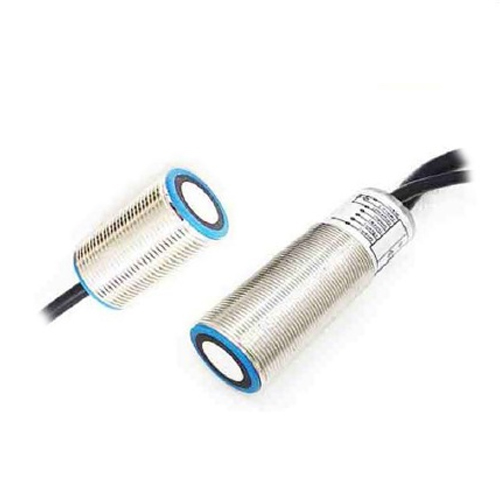
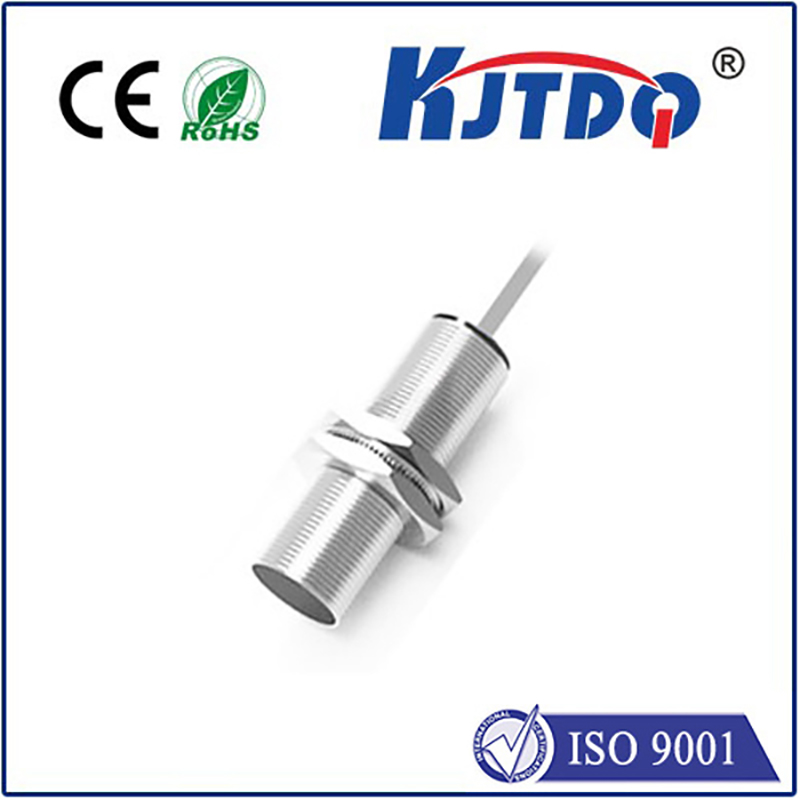
At its core, the PR18-B0DPO is a diffuse reflective photoelectric sensor. This means it detects objects by emitting a beam of light (typically infrared or visible red) and measuring the light that is reflected back from the target itself. Unlike through-beam sensors that require a separate receiver, this self-contained design simplifies installation and reduces wiring complexity. The "PR18" denotes its 18mm cylindrical barrel housing, a standard size known for robustness and easy mounting in standard brackets. The "B0DPO" suffix often refers to specific electrical characteristics, such as its output type (likely a PNP normally open configuration) and connection method, which are crucial for seamless integration into control systems.
The operational principle is elegantly straightforward. The sensor's internal emitter sends out a modulated light pulse. When an object enters its sensing range, a portion of this light is reflected back to the receiver within the same unit. The onboard circuitry then processes this signal and triggers a solid-state switch, changing its output state. This reliable, contactless detection method is ideal for counting, positioning, and detecting a vast array of materials, from opaque boxes to translucent films, without physical wear and tear.
Key performance specifications make the PR18-B0DPO a versatile choice. It typically offers a sensing range suitable for mid-distance applications, often adjustable to fine-tune sensitivity for different surface colors and textures. Its housing is commonly rated IP67, making it resistant to dust ingress and capable of withstanding temporary immersion in water—a vital feature for washdown environments in food processing or packaging. The use of a modulated light source provides excellent immunity to ambient light interference from factory lighting, ensuring stable operation. Furthermore, many variants feature a visible red sensing beam or a stable indicator LED, allowing for quick and visual alignment during setup and troubleshooting.
The real-world applications for this sensor are extensive. On packaging lines, it reliably detects the presence of cartons on a conveyor, triggering downstream processes like labeling or sorting. In material handling, it can be used to monitor stack height or detect jams. Assembly machines utilize it to confirm the presence of components before a robotic arm engages. Its robust construction also makes it suitable for harsh environments where oil, coolant, or dust might be present. The non-contact nature is perfect for detecting fragile items that could be damaged by mechanical limit switches.
Selecting and implementing the PR18-B0DPO requires attention to detail. First, confirm the required sensing distance and ensure the target object's reflectivity and color fall within the sensor's capabilities. Dark or absorbent surfaces may require a reduced sensing range. Second, verify the electrical compatibility: the voltage supply (commonly 10-30V DC), output type (PNP vs. NPN), and load current must match your PLC or controller input module. Third, consider the environmental conditions. While the IP67 rating is robust, extreme temperatures, strong chemicals, or continuous direct high-pressure water jets may necessitate additional protective measures or a specialized housing variant.
Installation is straightforward but critical for optimal performance. Mount the sensor securely to minimize vibration. Carefully align it to the target path, using the indicator LED to confirm the beam is hitting the desired spot. Adjust the sensitivity potentiometer, if available, to achieve reliable detection without false triggers from background objects. Always refer to the manufacturer's datasheet for precise wiring diagrams and technical limits to prevent damage.
In comparison to other sensing technologies like inductive proximity sensors (which only detect metals) or capacitive sensors (which detect materials based on dielectric constant), the photoelectric switch offers unparalleled flexibility in detecting a wide variety of objects regardless of material composition. The PR18-B0DPO model, with its standardized form factor and proven performance, represents a cost-effective and reliable solution that minimizes downtime and maintenance costs.
For system integrators and maintenance teams, understanding the nuances of this component is key to maximizing uptime. Common issues like lens contamination, misalignment due to machine vibration, or electrical noise can be diagnosed systematically. Regular cleaning of the lens with a soft cloth and periodic checks of alignment and connection integrity form the basis of a proactive maintenance routine.
Ultimately, the PR18-B0DPO photoelectric switch is more than just a component; it is a critical enabler of automated efficiency. Its design prioritizes longevity and consistent performance under demanding conditions. By specifying and applying this sensor correctly, businesses can achieve higher levels of process control, quality assurance, and operational throughput, solidifying the foundation of a smart, responsive manufacturing environment.