check

check

check

check

check

check
In the fast-paced world of industrial automation and machinery operation, safety is not just a priority—it is an absolute necessity. Among the myriad of safety components available, the emergency stop switch stands as a critical line of defense. The XCMN21F0L1 pull cord switch, a specific and highly reliable model, exemplifies this role with precision engineering designed for demanding environments. This device is far more than a simple switch; it is an integrated safety system engineered to provide immediate and unambiguous machine shutdown in hazardous situations.
The core function of the XCMN21F0L1 is straightforward yet vital. It is a manually operated emergency stop device activated by pulling a cord that runs along the length of a machine or conveyor belt. This design allows operators at any point along the equipment to initiate an immediate stop if they observe a dangerous condition, such as a material jam, equipment malfunction, or a personnel safety issue. The "pull to stop" action is intuitive, requiring minimal training and ensuring a rapid response even in high-stress scenarios. Upon activation, the switch directly interrupts the control circuit of the machinery, bringing it to a safe halt and preventing potential injuries or damage.
What sets the XCMN21F0L1 model apart are its robust construction features tailored for industrial durability. Typically housed in a rugged, sealed enclosure, it offers high ingress protection ratings, making it resistant to dust, moisture, and oil—common contaminants in factories, warehouses, and processing plants. The internal mechanism is designed for high mechanical life, capable of withstanding thousands of actuations without failure. Many models, including variants of this series, feature a positive break action mechanism. This ensures that the contact separation is reliable and visible, a key requirement for safety standards like ISO 13850 and IEC 60947-5-5. Furthermore, it often includes a locking function; once activated, the switch remains in the "stop" position until manually reset by a key or tool, preventing accidental or unauthorized restart.
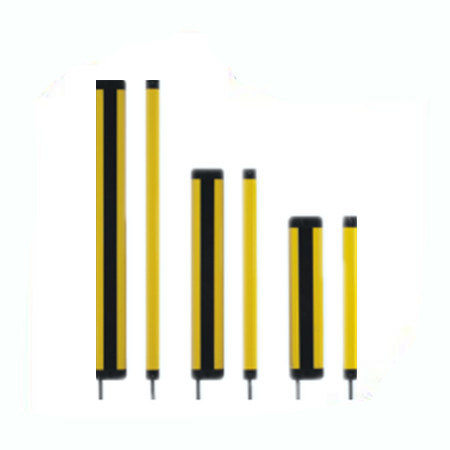
The application scope for the XCMN21F0L1 pull cord switch is extensive. It is indispensable on long conveyor systems in mining, aggregate, and packaging industries, where workers need access to an emergency stop along the entire travel path. It is equally crucial on assembly lines, large printing presses, and automated storage and retrieval systems. Its implementation is a fundamental part of a comprehensive machine safety strategy, often integrated with other safety devices like light curtains and safety interlocks to create multiple layers of protection. Proper installation is key: the pull cord must be installed at a recommended height and tension, with clear visibility and accessibility, and the switch must be integrated into the machine's safety-related control system.
Choosing the right safety component like the XCMN21F0L1 involves several considerations. Compliance with international safety standards is paramount to ensure legal and operational compliance. The environmental conditions—temperature range, presence of corrosive substances, and potential for physical impact—must match the switch's specifications. The length of the required cord run and the necessary reset method (key, twist, or push) are also practical decision factors. Regular testing and maintenance are non-negotiable to guarantee the switch functions correctly when needed most. A simple, scheduled pull-test verifies operational integrity and reinforces safety protocols among the workforce.
Ultimately, the XCMN21F0L1 pull cord switch represents a commitment to operational safety and duty of care. It provides a simple, reliable, and universally understood method for personnel to assert control over potentially dangerous machinery. In an era where efficiency is often measured alongside safety, this device proves that the two are not mutually exclusive. By enabling a swift response to emergencies, it protects valuable human resources, minimizes costly downtime from accidents, and safeguards critical assets. For engineers, facility managers, and safety officers, specifying and maintaining such a proven safety device is a foundational step in fostering a secure and productive industrial environment.