check

check

check

check

check

check
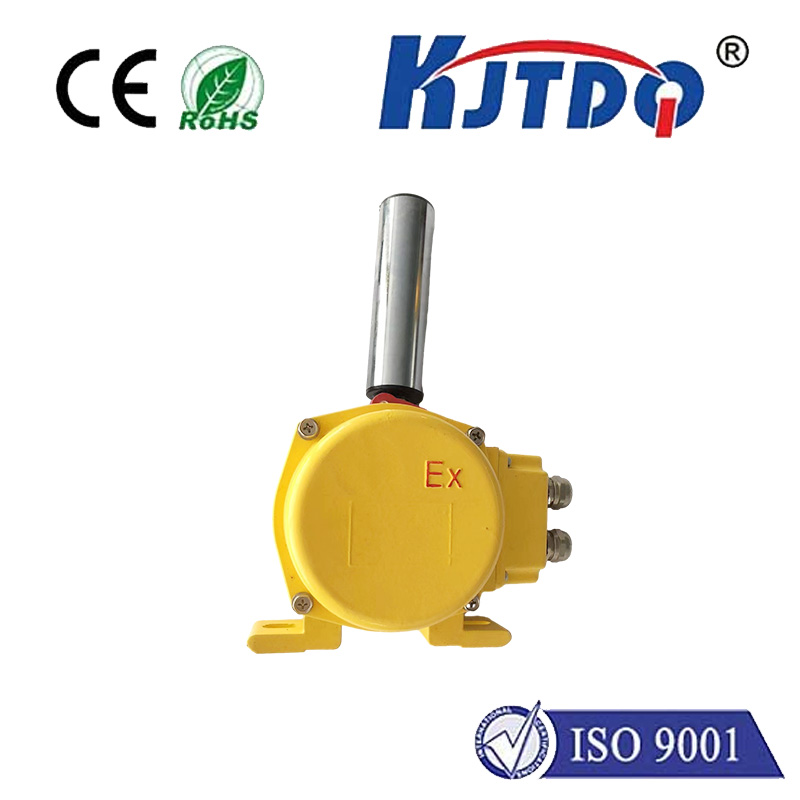
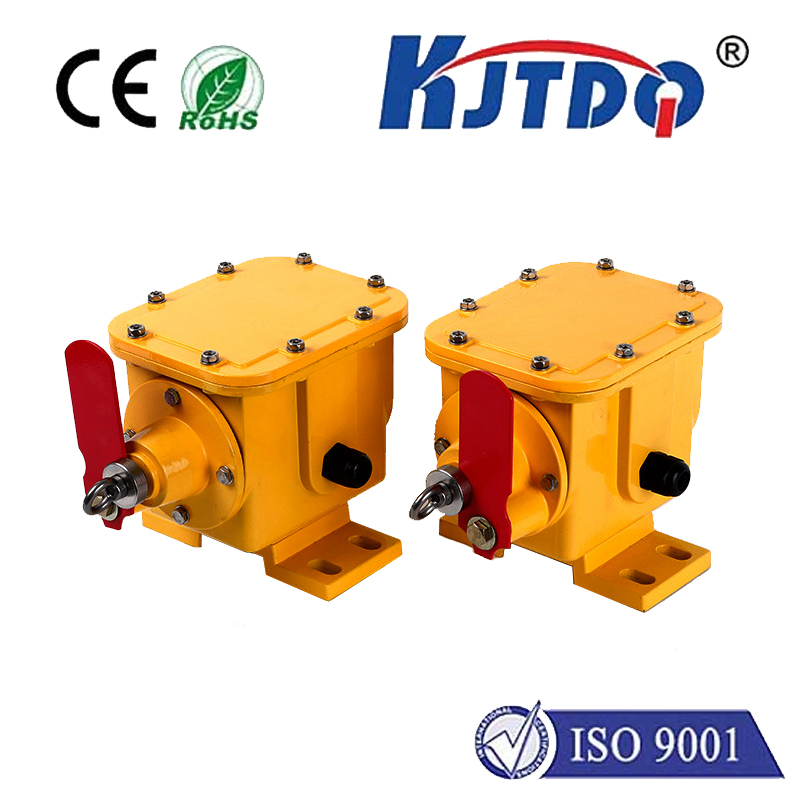
In the fast-paced world of industrial automation and machinery, safety and operational reliability are non-negotiable. The DZQ-TKJ Pull Cord Switch, a critical component in conveyor systems and long machinery lines, stands as a testament to engineering designed for protection and control. This emergency stop device, often marked by its prominent KJTDQ branding, is not just a switch; it's a vital safety sentinel.
The primary function of the DZQ-TKJ Pull Cord Switch is to provide a reliable and immediate means of stopping machinery in case of an emergency. Installed along the length of a conveyor belt, it features a easily accessible cable or cord running parallel to the equipment. In the event of a material spillage, blockage, or, most importantly, a personnel safety incident, any operator can quickly pull this cord. This action mechanically activates the switch, sending a stop signal to the conveyor's motor control circuit, bringing the entire system to a halt to prevent further damage or injury. This simple yet effective principle of operation—a pull cord linked to a robust switching mechanism—makes it an indispensable part of safety protocols in mining, aggregate processing, packaging, and manufacturing plants.
What sets the KJTDQ DZQ-TKJ series apart are its design features tailored for harsh industrial environments. Constructed with a heavy-duty, corrosion-resistant enclosure, often meeting IP65 or higher ratings, it is built to withstand dust, moisture, and physical impact. The internal switching mechanism is designed for high reliability and a long mechanical life, ensuring it functions correctly when needed most, even after long periods of inactivity. Many models come with a clearly visible status indicator, showing whether the switch is in its normal "run" position or has been activated into the "trip" or "stop" position, aiding in quick fault identification and system reset procedures.
Beyond emergency stopping, modern iterations of the pull cord switch contribute significantly to operational efficiency. By preventing major breakdowns caused by jams or misaligned belts, they reduce costly downtime and repair expenses. Quick isolation of a problem section allows for faster troubleshooting and restart, minimizing production losses. Furthermore, their presence is often a mandatory requirement to comply with stringent international safety standards and regulations, such as those from OSHA or ISO, helping companies avoid legal liabilities and fostering a safer workplace culture.
Installation and maintenance are straightforward but crucial. The switch must be positioned at regular intervals, ensuring the pull cord is within easy reach of personnel anywhere along the conveyor. Regular testing, as per safety schedules, is essential to verify its operational readiness. This typically involves manually pulling the cord to confirm it cleanly breaks the control circuit and activates the alarm or indicator. Proper tensioning of the cord and checking for any physical damage to the housing or cable are part of routine checks.
In conclusion, the KJTDQ DZQ-TKJ Pull Cord Switch is far more than a simple mechanical device. It represents a fundamental layer of safety and control in material handling systems. Its robust design, reliable activation, and role in protecting both personnel and equipment make it a critical investment for any industry reliant on conveyor technology. By integrating such proven safety components, businesses not only safeguard their most valuable assets—their people and machinery—but also enhance overall system reliability and productivity, ensuring smooth and secure operations around the clock.