check

check

check

check

check

check
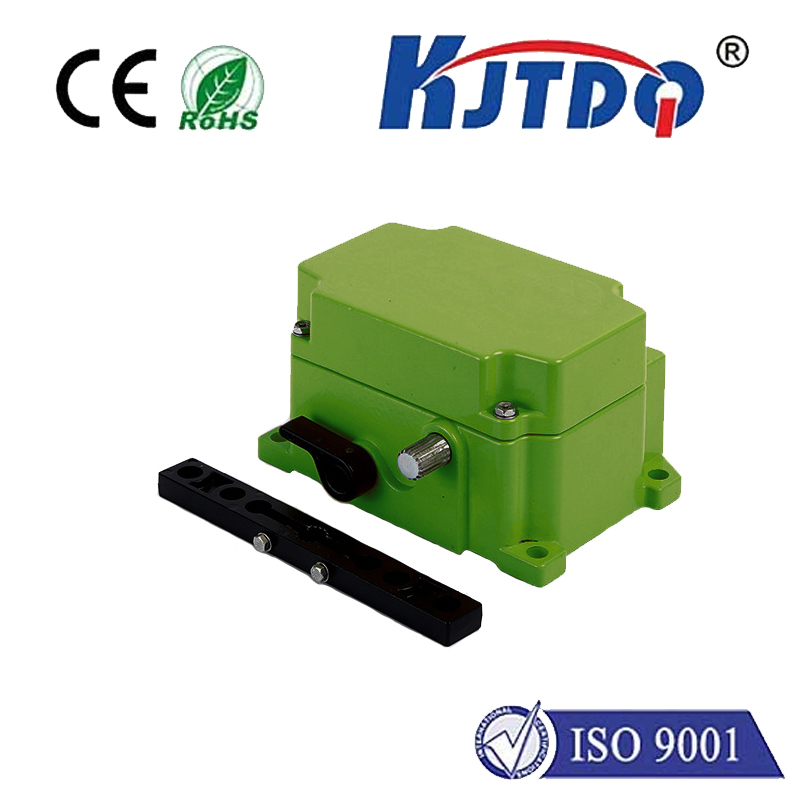
In industrial environments where conveyor systems are integral to daily operations, safety remains a paramount concern. The 440E-L13166 pull cord switch, often recognized under designations like KJTDQ, stands as a critical component in safeguarding personnel and equipment. This emergency stop device is engineered to provide a reliable and immediate means to halt conveyor motion in the event of an emergency, malfunction, or when a worker becomes endangered along the conveyor line.
The fundamental operation of a pull cord switch is elegantly simple yet profoundly effective. Installed at regular intervals along both sides of a conveyor belt, the device features a prominently accessible cord or cable running parallel to the conveyor. In an emergency, any personnel can quickly pull this cord from either side. This action mechanically actuates the switch, breaking the electrical control circuit and sending a stop signal to the conveyor's motor drive. This "fail-safe" design ensures that the system stops when the cord is pulled, regardless of the switch's power state. The 440E-L13166 model is specifically built for durability in harsh conditions, featuring a robust housing that protects its internal mechanism from dust, moisture, and mechanical impact commonly found in mining, aggregate, packaging, and bulk material handling facilities.
A key advantage of the 440E-L13166 pull cord switch is its dual-function capability. It not only serves as an emergency stop but often incorporates a visual indication system. Many models include a highly visible flag or indicator that changes position when the switch is activated. This allows operators and maintenance teams to instantly identify the specific location—often from a considerable distance—where the emergency stop was initiated, drastically reducing troubleshooting time after an incident. Furthermore, these switches are designed for easy reset. Once the emergency situation is resolved, a manual reset, typically involving rotating a knob or lever at the switch location, is required to restore power. This deliberate reset procedure prevents accidental or automatic restarting, ensuring the area is secure before operations resume.
Installation and maintenance are straightforward but require adherence to safety standards. The pull cord must be installed at a height and distance that allows easy access for personnel in a potential emergency, following regional regulations like OSHA guidelines or IEC standards. The tension on the cord is also critical; it must be sufficient for reliable operation but not so tight that it causes excessive wear or accidental activation. Regular testing, as part of a facility's safety protocol, is non-negotiable. This involves periodically pulling the cord at each station to verify it successfully stops the conveyor and that the indicator functions correctly. The robust construction of the 440E-L13166 minimizes maintenance, but routine checks for cord integrity, housing damage, and proper mechanical action are essential for long-term reliability.
Beyond basic safety, integrating the 440E-L13166 pull cord switch into a broader safety system enhances overall operational integrity. It can be interconnected with other safety devices like belt misalignment switches, zero-speed switches, and emergency stop buttons to create a comprehensive safety network. This layered approach to safety ensures multiple points of protection. For facility managers and engineers, selecting a proven component like this is an investment in risk mitigation. It demonstrates a commitment to creating a safety-first culture, potentially reducing downtime caused by accidents, minimizing liability, and, most importantly, protecting the well-being of the workforce.
In conclusion, the 440E-L13166 pull cord switch is far more than a simple mechanical switch. It is a vital, life-saving interface between human operators and powerful automated machinery. Its presence along a conveyor line embodies a fundamental principle of industrial safety: providing a simple, immediate, and reliable way for any individual to halt a potentially dangerous process. For industries reliant on continuous material handling, specifying and maintaining high-quality emergency stop devices like the KJTDQ 440E-L13166 is an indispensable practice for responsible and efficient operation.