check

check

check

check

check

check
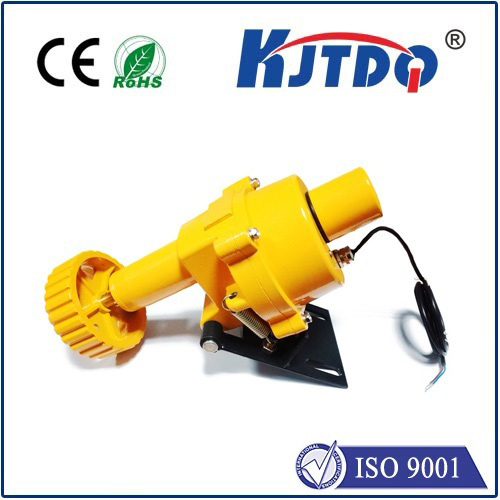
In the dynamic landscape of industrial automation and machinery control, the reliability of emergency stop mechanisms is paramount. Among the various safety devices available, the ZS71 pull cord switch stands out as a critical component for ensuring operational safety and preventing accidents along conveyor belts, assembly lines, and other long machinery setups. This device, often referred to as a rope pull switch or emergency stop switch, is engineered to provide a fail-safe method for halting equipment from multiple points along its length.
The fundamental operation of a ZS71 pull cord switch is elegantly simple yet highly effective. It is typically installed along the side of a conveyor or machinery. A steel wire rope runs through a series of pull switch units. In the event of an emergency, such as a material jam, equipment entanglement, or a personnel safety issue, any operator along the line can pull the cord. This action mechanically actuates the switch, instantly breaking the control circuit and sending a stop signal to the motor drive or control system. This immediate intervention capability is crucial for minimizing damage to equipment, preventing product loss, and, most importantly, safeguarding personnel from injury.
The design and construction of the ZS71 series are tailored for harsh industrial environments. These switches are commonly built with robust, corrosion-resistant enclosures, often meeting IP65 or higher ratings for protection against dust and water ingress. This durability ensures consistent performance in settings like mining, quarrying, grain handling, packaging plants, and manufacturing facilities where moisture, dust, and vibrations are prevalent. The internal mechanism is designed for high mechanical life, withstanding thousands of actuations without failure. Many models feature a clearly visible flag indicator that shows whether the switch has been tripped, aiding in quick fault identification and system reset after the emergency is resolved.
Installation and integration are streamlined for efficiency. The ZS71 switch is usually mounted on the conveyor's support structure. The pull cord is tensioned appropriately and runs parallel to the moving parts. It connects directly into the machinery's safety relay circuit or programmable logic controller (PLC). Compliance with international safety standards, such as ISO 13850 (Safety of machinery — Emergency stop function — Principles for design) and relevant IEC standards, is a key consideration for manufacturers. This compliance ensures that the emergency stop function is designed according to principles like fail-safe operation, positive mechanical actuation, and the necessity of a manual reset, which prevents automatic restarting after a trip.
Beyond basic emergency stopping, modern iterations of pull cord switches may incorporate additional features. Some models offer dual-channel outputs for connection to safety-rated control systems, enhancing reliability through redundancy. Others include a locking mechanism that requires a key or tool for reset, preventing unauthorized or accidental resetting. The choice between normally open (NO) and normally closed (NC) contact configurations allows for flexibility in designing the safety circuit to match specific control logic requirements.
The operational benefits of implementing a ZS71 pull cord switch system are substantial. It dramatically reduces response time during emergencies compared to requiring an operator to run to a fixed control panel. This distributed safety access empowers every worker along the line to be a proactive guardian of safety. Furthermore, by preventing catastrophic machinery damage and associated downtime, it contributes significantly to overall equipment effectiveness (OEE) and reduces maintenance costs. The psychological impact on a workforce that feels protected by accessible safety controls also fosters a stronger culture of safety within the plant.
Regular inspection and maintenance are essential to preserve the integrity of the safety system. This includes checking the cord for proper tension and any signs of wear or damage, ensuring the switch mechanism operates freely without sticking, verifying the cleanliness of contacts, and testing the full functionality of the emergency stop circuit during scheduled downtime. A well-maintained pull cord switch is a reliable sentinel, always ready to perform its vital role.
In conclusion, the ZS71 pull cord switch is far more than a simple mechanical component. It is a fundamental pillar of industrial safety design for linear machinery. Its robust construction, straightforward operation, and compliance with safety standards make it an indispensable choice for engineers and facility managers aiming to protect both their human workforce and valuable capital assets. By providing an immediate and accessible means to stop equipment, it embodies the principle that in industrial operations, safety and productivity are intrinsically linked, with reliable safety devices like the ZS71 forming the foundation for efficient and responsible production.