check

check

check

check

check

check
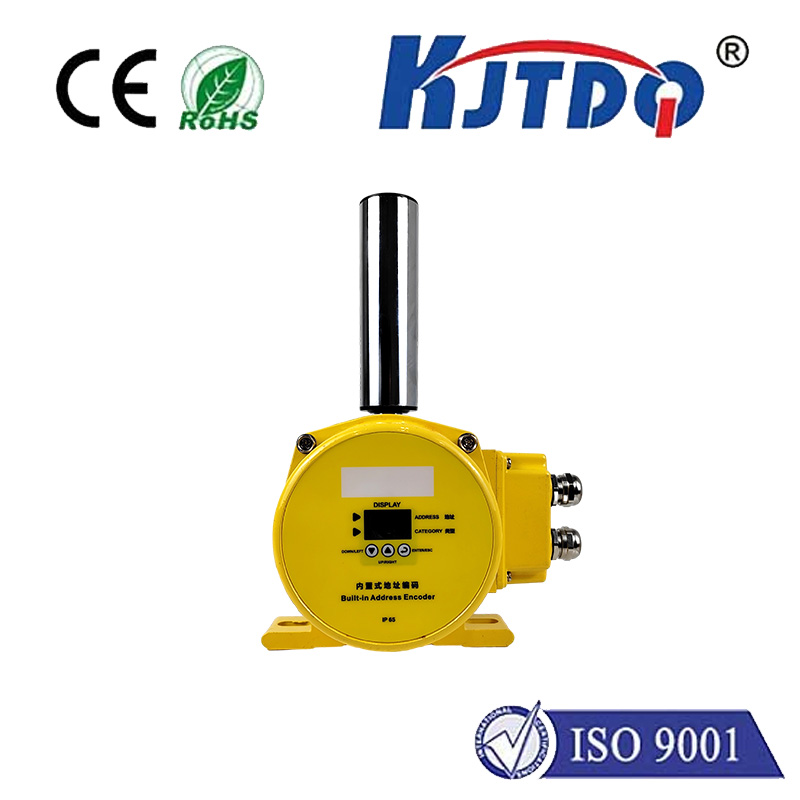
In the demanding world of industrial automation and material handling, operational efficiency must never compromise worker safety. This is where the HQDZM-LS-1025/316S Pull Cord Switch, a critical component in the KJTDQ safety product line, establishes itself as an indispensable guardian. Designed for rigorous, continuous operation on conveyor belts, this emergency stop device provides a reliable, fail-safe method to halt machinery instantly in case of an emergency, preventing accidents and protecting both personnel and assets.
The core function of the HQDZM-LS-1025/316S is elegantly simple yet profoundly effective. Installed along the length of a conveyor, it features a robust, accessible pull cord or cable. In any hazardous situation—such as a worker becoming entangled, a material jam, or equipment malfunction—any person along the line can immediately actuate the switch by pulling the cord. This action triggers an immediate shutdown of the conveyor drive, bringing the entire system to a swift stop. This "rope-operated emergency switch" is often a legal requirement in many jurisdictions, forming a vital part of a plant's safety protocol.
What sets the HQDZM-LS-1025/316S apart are its construction and features tailored for industrial endurance. The housing, often crafted from high-grade stainless steel or similarly durable materials, offers exceptional resistance to corrosion, dust, moisture, and mechanical impact. This makes it perfectly suited for harsh environments like mining operations, grain elevators, chemical plants, and outdoor bulk handling facilities. The switch mechanism itself is designed for high reliability, with a clear visual indication (like a flag) showing whether it has been activated, which aids in quick identification and reset post-emergency.
Integration into existing control systems is straightforward. The switch typically provides a changeover contact (NC/NO) that interfaces directly with the conveyor's safety relay or PLC. When the cord is pulled, the circuit breaks, sending a stop signal. Many models, including those in the KJTDQ range, are designed with a manual reset function. After an emergency stop, the switch must be physically reset on-site, ensuring the cause of the activation is addressed before machinery can be restarted, thereby preventing automatic re-starts that could lead to further danger.
Beyond basic functionality, modern pull cord switches like the HQDZM-LS-1025/316S incorporate features for enhanced safety and maintenance. Some models offer a dual-channel configuration for higher safety integrity levels (SIL) or Category standards according to ISO 13849. Features like a pre-tensioned cord ensure consistent operation and sag detection, while sealed bearings and ingress protection (IP) ratings guarantee long service life even in the presence of fine particulates or water spray. Regular testing, as simple as pulling the cord during scheduled downtime, is crucial to verify operational readiness.
Selecting the right pull cord switch involves considering several factors: the length and speed of the conveyor, the environmental conditions (explosive atmospheres may require ATEX certification), the required safety category, and the mechanical load on the cord. The HQDZM-LS-1025/316S specification indicates a design that balances robust construction with precise actuation. Proper installation spacing, usually every 20-30 meters along the conveyor, ensures the cord is always within easy reach of any operator.
For facility managers, engineers, and safety officers, implementing reliable safety components is non-negotiable. The HQDZM-LS-1025/316S Pull Cord Switch represents more than just compliance; it embodies a commitment to creating a zero-harm workplace. By providing a simple, immediate, and physical means to stop equipment, it empowers every worker to act as a safety monitor. In the complex ecosystem of industrial machinery, this device stands as a straightforward, robust, and life-saving link between human intervention and mechanical control, ensuring that productivity always moves forward on a foundation of safety.