check

check

check

check

check

check
In the intricate world of electrical control and automation, precision and reliability are non-negotiable. Among the myriad components that ensure seamless operation, the micro switch stands out for its critical role in detecting position, limit, or presence. When specified for a 24V DC system, this unassuming device becomes a cornerstone of safety and efficiency in modern applications. A 24V micro switch is engineered to operate within low-voltage circuits, offering a perfect blend of sensitive actuation and robust performance, making it indispensable across industries.
The defining characteristic of a 24V micro switch is its optimized design for low-voltage environments. Unlike switches meant for higher voltages, the internal components, including the spring mechanism and contacts, are calibrated for the swift, clean make-and-break action required at 24V DC. This voltage level is particularly prevalent in control circuits, automotive electronics, battery-operated systems, and safety interlock mechanisms, where it provides a safe isolation from potentially hazardous main power lines. The switch typically features a snap-action mechanism, where the contacts rapidly change state at a specific point in the actuator's travel, minimizing arcing and ensuring a long electrical life even with frequent cycling.
The applications for a 24V DC micro switch are vast and varied. In the realm of home appliances, you'll find them in washing machine door interlocks, refrigerator door lights, and microwave safety switches, ensuring user safety and proper function. The automotive industry relies on them for brake light switches, door ajar indicators, and seat belt sensors. Industrial automation leverages these switches for precision limit sensing on conveyor belts, robotic arms, and CNC machinery, where they provide critical feedback to programmable logic controllers (PLCs). Furthermore, they are vital in medical equipment, vending machines, and security systems, where dependable low-voltage signaling is paramount.
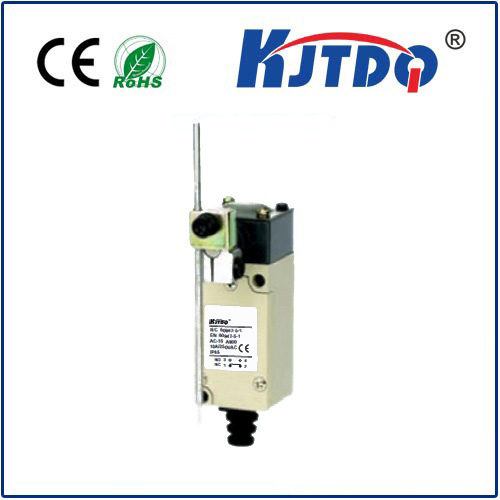
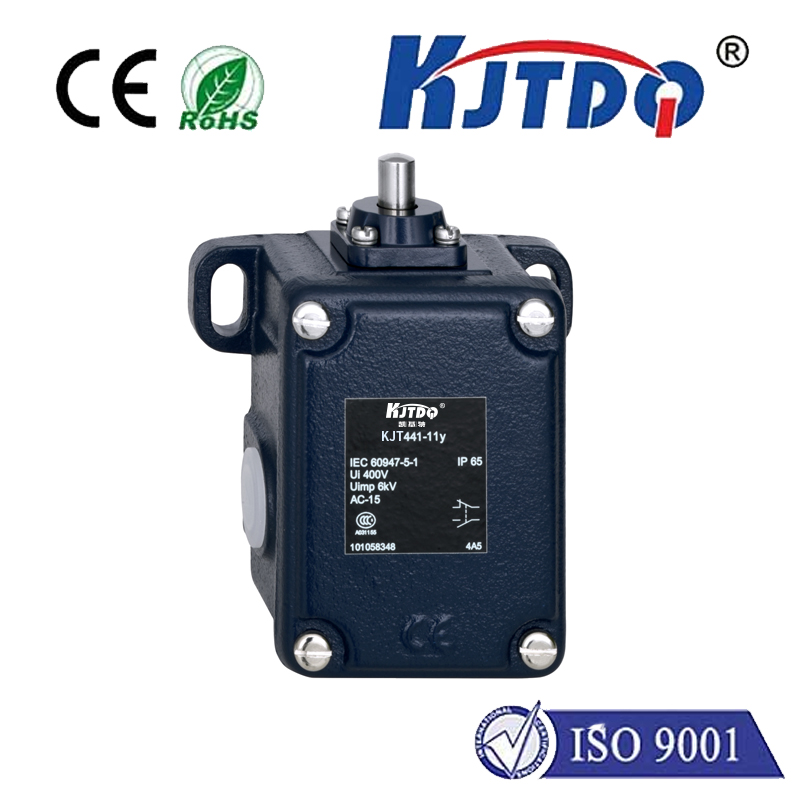
Selecting the right 24V micro switch requires careful consideration of several technical parameters beyond just the voltage rating. The current rating (both AC and DC) is crucial, as operating a switch above its rated capacity can lead to premature contact failure. The actuator type—such as lever, roller lever, or pin plunger—must match the physical interaction required. Environmental protection, denoted by an IP rating, is essential for switches exposed to dust, moisture, or oils. Electrical life expectancy, often in the millions of cycles, and the mechanical life of the actuator are key indicators of durability. The contact configuration, normally open (NO) or normally closed (NC), defines the circuit's default state.
The advantages of integrating a 24V micro switch into a design are compelling. Firstly, the low operating voltage enhances overall system safety for operators and maintenance personnel. The snap-action design provides high repeatability and precise actuation point, leading to consistent performance. Their compact size allows for installation in space-constrained locations without sacrificing functionality. Modern 24V micro switches are also designed for longevity, with materials resistant to corrosion and wear, ensuring reliability over extended periods and reducing maintenance costs and downtime.
For optimal performance and longevity, proper installation and maintenance are key. The switch should be mounted securely to avoid misalignment of the actuator, which can cause improper operation or physical damage. The electrical connections must be tight and corrosion-free to prevent voltage drop and heating. While these switches are generally maintenance-free, periodic inspection for physical damage, loose mounting, or contamination of the actuator area is recommended. It is also critical to ensure the load (inductive, capacitive, or resistive) matches the switch's specifications to avoid contact welding or chatter.
In conclusion, the 24V micro switch is far more than a simple component; it is a sophisticated and reliable sentinel in low-voltage control systems. Its ability to provide accurate, repeatable switching signals under 24V DC power makes it a fundamental building block for safety, automation, and control across countless devices and industries. By understanding its operation, specifications, and application requirements, engineers and designers can harness its full potential to create safer, more efficient, and more reliable electronic and mechanical systems. As technology evolves towards smarter and more integrated solutions, the role of the dependable 24V micro switch remains securely established.