check

check

check

check

check

check
In the intricate world of electrical control and automation, precision and reliability are non-negotiable. Among the myriad components that ensure seamless operation, the micro switch operating at 24 volts DC stands out as a fundamental yet critical element. This guide delves into the specifics of the 24V micro switch, exploring its design principles, key advantages, and the diverse applications where it proves indispensable, particularly for engineers and procurement specialists seeking dependable solutions.
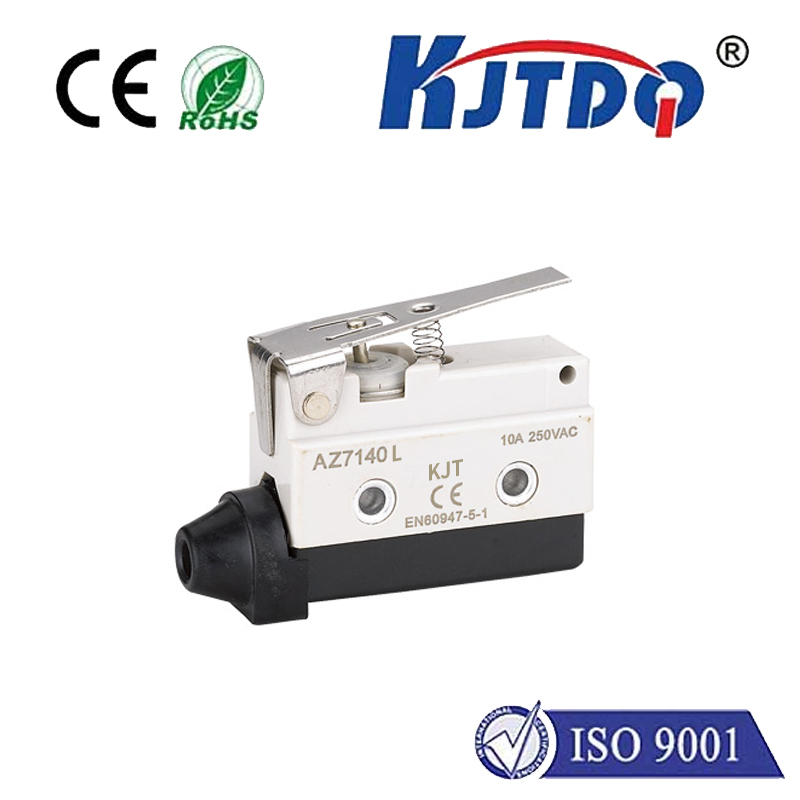
A micro switch, fundamentally, is a compact, snap-action switch designed for precise actuation with minimal physical force. The "24V" specification refers to its rated operational voltage, making it a staple in low-voltage DC circuits commonly found in control panels, automotive systems, and battery-powered devices. The internal mechanism is a marvel of simplicity and effectiveness. It features a spring-loaded actuator that, when depressed past a certain point, causes a rapid "snap" transition of the internal contacts from one state to another (e.g., from open to closed). This snap-action ensures a clean, quick make-or-break of the electrical circuit, which is crucial for eliminating arcing, enhancing contact life, and providing consistent, reliable signaling.
The choice of a 24V DC rating is strategic. This voltage level is widely adopted as a standard for control circuits in industrial and commercial settings. It offers a significant safety advantage over higher line voltages, reducing risks associated with electric shock and simplifying wiring requirements. Furthermore, 24V DC systems are less susceptible to electrical noise and interference, ensuring signal integrity in sensitive electronic environments. A 24V micro switch is engineered to handle the inrush currents and continuous load typical of relays, solenoids, indicator lights, and programmable logic controller (PLC) inputs within this voltage range.
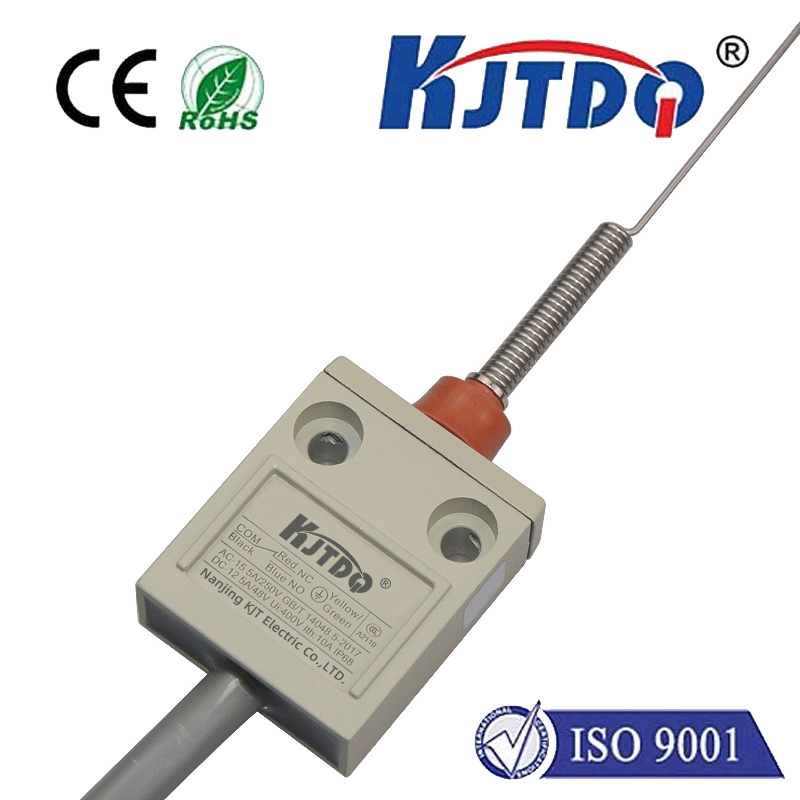
The benefits of utilizing a 24V micro switch are multifaceted. First and foremost is exceptional durability. High-quality models are rated for millions of mechanical cycles, thanks to their robust construction and the snap-action mechanism that minimizes contact bouncing. Consistency is another hallmark; the precise actuation point and repeatable performance ensure that a machine or process behaves predictably every time. Their compact size allows for installation in space-constrained locations without sacrificing functionality. Additionally, many 24V micro switches offer various actuator types (lever, roller, simulated roller, pin plunger) and terminal options (quick-connect, solder, PCB mount), providing remarkable design flexibility.
The application spectrum for the 24V micro switch is remarkably broad. In industrial automation, they serve as limit switches on conveyor systems, machine tools, and robotic arms, providing precise positional feedback. Within the automotive sector, they are found in door interlocks, brake pedal sensors, and gear selector mechanisms. Consumer appliances, from washing machine lids to microwave oven doors, rely on them for safety interlocks and control functions. In the realm of telecommunications and office equipment, they detect paper jams or tray positions. The low-voltage operation makes them ideal for embedded systems, IoT devices, and security systems where power efficiency and safety are priorities.
Selecting the right 24V micro switch requires careful consideration of several parameters beyond just voltage. The current rating (both AC and DC) must match or exceed the load requirements. The actuation force and travel distance should align with the physical interaction of the application. Environmental factors are critical; switches may need ingress protection (IP ratings) against dust and moisture, or specific materials to withstand extreme temperatures, chemicals, or vibrations. Electrical characteristics like contact material (silver, gold) and circuit configuration (SPDT, SPST) also play a vital role in long-term performance.
For procurement managers and engineers, specifying a 24V micro switch from a reputable manufacturer is key to ensuring supply chain reliability and product quality. Look for components that comply with relevant international standards and come with comprehensive technical data. Proper installation is equally important; ensuring correct actuator alignment, avoiding over-travel, and using appropriate wiring techniques will maximize the switch's operational lifespan.
In conclusion, the 24V micro switch is far more than a simple component; it is a precision-engineered device that forms the backbone of reliable low-voltage control. Its snap-action design, safety benefits, and adaptability make it an essential choice across industries from factory floors to household gadgets. Understanding its operation, benefits, and selection criteria empowers professionals to build systems that are not only functional but also durable and safe. As technology evolves, the fundamental role of this dependable switch in bridging mechanical action and electrical control remains securely established.