check

check

check

check

check

check
In the world of industrial automation and machinery control, precision and reliability are non-negotiable. The CM 1308 limit switch stands as a critical component in this ecosystem, designed to provide accurate and dependable position sensing for a vast array of applications. This guide delves into the features, benefits, and practical uses of this essential device, explaining why it remains a preferred choice for engineers and maintenance professionals.
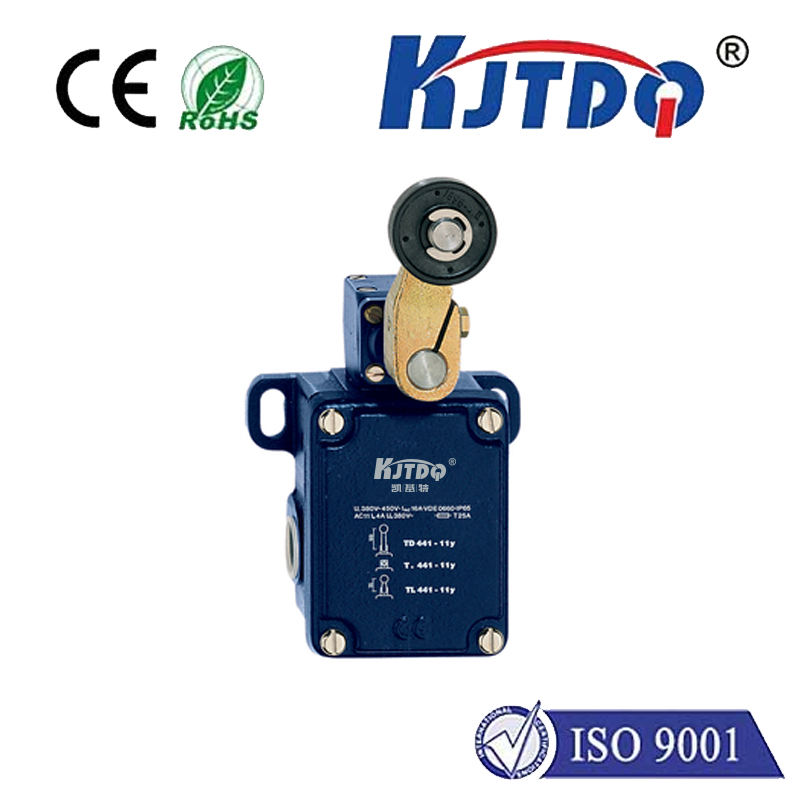
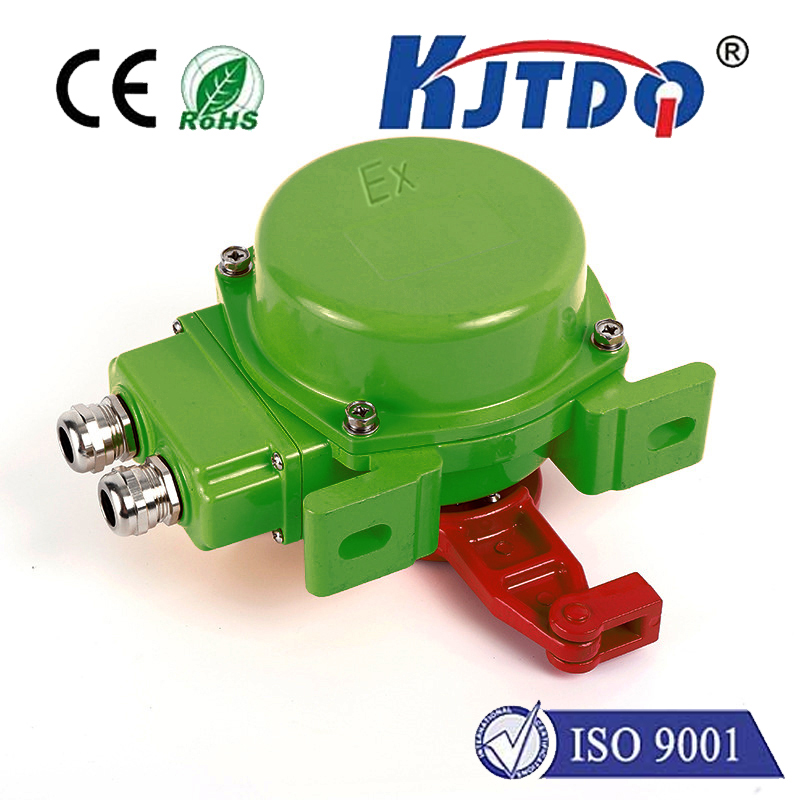
A limit switch is a fundamental electromechanical device used to detect the presence or absence of an object, or to monitor the limits of travel. The CM 1308 model is engineered for robustness and longevity in demanding environments. Its construction typically involves a durable housing that protects the internal switching mechanism from dust, moisture, oil, and physical impact. The actuator, the part that makes physical contact with the target object, is designed for repeated, precise operation. When an object contacts the actuator, it triggers the internal switch to change state—either opening or closing an electrical circuit. This simple action sends a clear signal to a control system, such as a PLC (Programmable Logic Controller), to initiate or halt a process.
The CM 1308 excels in several key areas. First is its versatility. It can be configured with various actuator types, including roller lever, plunger, or whisker styles, allowing it to be tailored to specific mechanical motions and space constraints. Second is its reliability. Built with high-grade materials and contacts, it ensures consistent performance over millions of cycles, minimizing downtime and maintenance costs. The switch's design often includes clear visual indicators for its operational status, aiding in quick troubleshooting. Furthermore, many variants of the CM 1308 offer different electrical ratings, contact configurations (like SPDT or SPST), and connection types, making it compatible with a wide range of voltage and current requirements in control circuits.
Where is the CM 1308 limit switch commonly applied? Its uses are extensive across industries. In manufacturing, it is indispensable on conveyor systems to detect the position of products, initiate sorting actions, or prevent overtravel. On machine tools, it defines the safe travel limits of moving parts like slides and tables, protecting both the machine and the operator. In material handling equipment such as cranes and hoists, it serves as a critical safety device to prevent over-lifting or over-lowering. Packaging machinery, automotive assembly lines, and even commercial doors utilize these switches for sequence control and safety interlocks. The CM 1308's ability to perform in harsh conditions—withstanding vibration, temperature fluctuations, and contaminant exposure—makes it a workhorse in these settings.
Selecting and installing the correct limit switch is crucial for optimal performance. When considering the CM 1308, key factors include the operating environment (IP rating for ingress protection), the required electrical specifications, the type of actuator needed for the specific motion, and the mounting configuration. Proper alignment during installation is essential to ensure the actuator is engaged correctly by the target object without excessive force or missed signals. Regular inspection as part of a preventive maintenance schedule can identify wear on the actuator or housing before it leads to failure.
In conclusion, the CM 1308 limit switch represents a proven solution for precise mechanical position detection. Its robust design, adaptable configurations, and proven track record in industrial applications make it a cornerstone of automated control systems. By providing a simple, physical interface between mechanical movement and electrical control, it enables safer, more efficient, and more reliable machine operation. For anyone involved in designing, maintaining, or operating automated equipment, understanding the role and capabilities of components like the CM 1308 is key to ensuring system integrity and productivity.