check

check

check

check

check

check
In today's rapidly evolving industrial landscape, the demand for precision, reliability, and smart integration in control systems has never been higher. At the heart of many automated processes lies a critical component often overlooked yet indispensable: the digital limit switch. This device represents a significant leap from traditional mechanical switches, offering unparalleled accuracy and seamless communication within modern digital ecosystems.
A digital limit switch is an electromechanical device used to detect the presence or absence of an object, or to monitor and control the limits of mechanical motion. Unlike its analog predecessors, it converts a physical position or motion into a definitive digital signal—typically a simple ON/OFF command—that can be instantly interpreted by a Programmable Logic Controller (PLC), robotic system, or other digital control unit. The core mechanism usually involves an actuator, which is physically triggered by the target object. This action changes the state of internal electronic contacts, generating a clean, bounce-free digital signal.
The advantages of implementing digital limit switches are substantial and multifaceted. First and foremost is precision. These switches provide exact, repeatable detection points, eliminating the guesswork and variability associated with older technologies. This is crucial in applications like CNC machining, automated assembly lines, and packaging machinery, where a millimeter's discrepancy can lead to product defects or operational failures. Secondly, they offer exceptional reliability. With fewer moving parts subject to wear and tear compared to complex mechanical assemblies, and with solid-state output options available, digital limit switches boast extended service life and reduced maintenance needs. Their robust construction often includes high ingress protection (IP) ratings, making them resistant to dust, moisture, oils, and vibrations commonly found in harsh industrial environments.
Perhaps the most transformative feature is their connectivity. As a native digital device, the switch integrates effortlessly into the Industrial Internet of Things (IIoT) framework. Diagnostic data, such as switch cycle count or potential fault alerts, can be communicated upstream, enabling predictive maintenance strategies. This shifts operations from a reactive break-fix model to a proactive, data-driven approach, minimizing unplanned downtime. Furthermore, the installation and configuration process is streamlined. Many digital limit switches feature LED status indicators for immediate visual confirmation of operation and standardized plug-in connectors that simplify wiring and reduce installation time.
The applications for digital limit switches are vast and varied. In material handling, they ensure robotic arms and conveyor systems operate within safe and precise boundaries. In the automotive industry, they control the precise positioning of welding robots and assembly jigs. They are fundamental in elevator control systems for floor leveling and door safety, and in renewable energy, they monitor the tilt and extension limits of solar panel arrays. Anywhere there is a need to define an endpoint, a safe position, or a sequence trigger in an automated process, a digital limit switch provides a dependable solution.
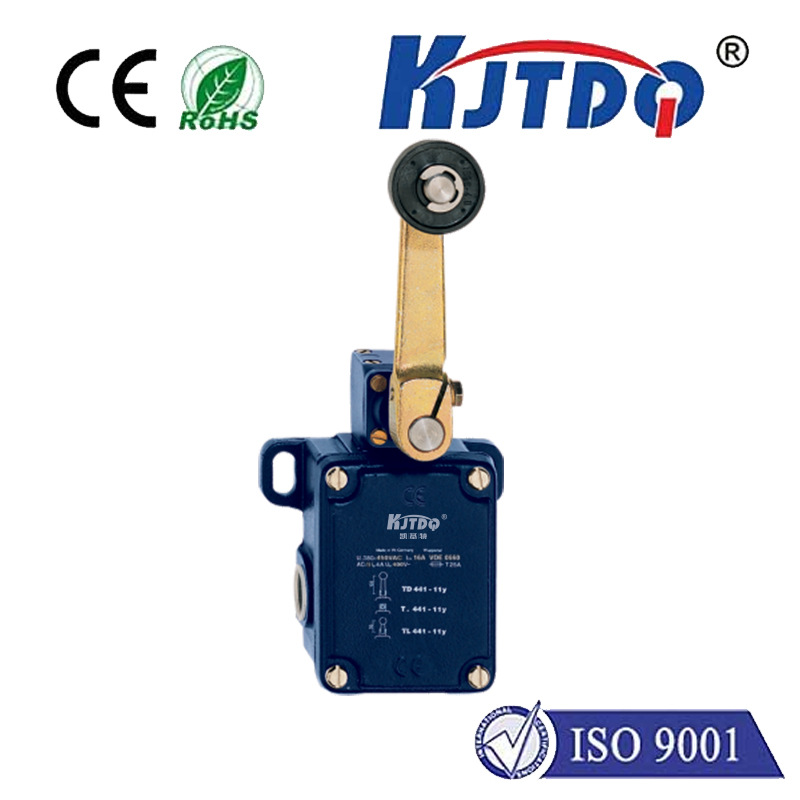
Selecting the right digital limit switch requires careful consideration of several factors. The operating environment dictates the necessary housing material and IP rating—stainless steel for corrosive settings, rugged polymers for general industry. The type of actuator (roller lever, plunger, fork lever) must suit the motion and nature of the target object. Electrical specifications, such as voltage, current rating, and output type (PNP/NPN sourcing/sinking), must be compatible with the control system. Finally, factors like switching frequency and required precision will influence the choice.
As industries continue their march toward full automation and Industry 4.0, the role of the digital limit switch will only grow in importance. It is no longer just a simple sensor but a smart node in a connected network, providing essential data for system optimization and intelligence. For engineers and system integrators seeking to enhance accuracy, improve reliability, and future-proof their control systems, the digital limit switch stands as a fundamental, powerful, and intelligent choice. Its implementation is a straightforward step toward achieving greater operational efficiency and unlocking the full potential of automated production.