check

check

check

check

check

check
In the bustling world of construction and metal fabrication, precision is not just a preference; it's an absolute necessity. At the heart of many automated bending processes lies a critical, yet often overlooked component: the bar bending machine limit switch. This small but mighty device plays a pivotal role in ensuring operational accuracy, enhancing safety, and maximizing the lifespan of your valuable machinery. Understanding its function and importance is key to optimizing performance and preventing costly downtime.
A limit switch on a bar bending machine is essentially a sensor. It is strategically positioned to detect the presence or position of the bending arm or the rebar being processed. Its primary function is to define the exact endpoints of a machine's movement. When the moving part of the bender reaches a predetermined point, it physically triggers the limit switch. This action sends an immediate electrical signal to the machine's control system, commanding it to stop or reverse the motion. This precise control is what allows for consistent, repeatable bends every single time, batch after batch.
The benefits of a properly functioning limit switch are multifaceted. First and foremost, it guarantees bending accuracy. By stopping the bending arm at the exact same point in each cycle, it eliminates human error and material variance, ensuring every bent rebar meets stringent project specifications. This consistency is crucial for structural integrity in buildings, bridges, and other critical infrastructure. Secondly, it is a fundamental safety device. It prevents the machine from over-traveling, which could lead to mechanical collisions, damage to tooling, or even catastrophic failure. It acts as a reliable fail-safe, protecting both the equipment and the operators nearby.
Furthermore, these switches significantly contribute to machine durability. By preventing metal-on-metal contact at the extremes of motion, they reduce wear and tear on gears, hydraulics, and structural components. This translates to lower maintenance costs, fewer unplanned repairs, and a longer operational life for the entire bending machine. In high-volume production environments, this reliability directly impacts productivity and profitability.
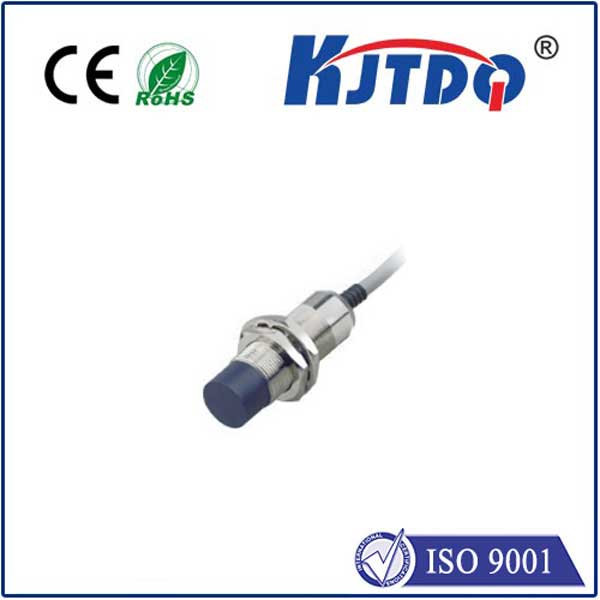
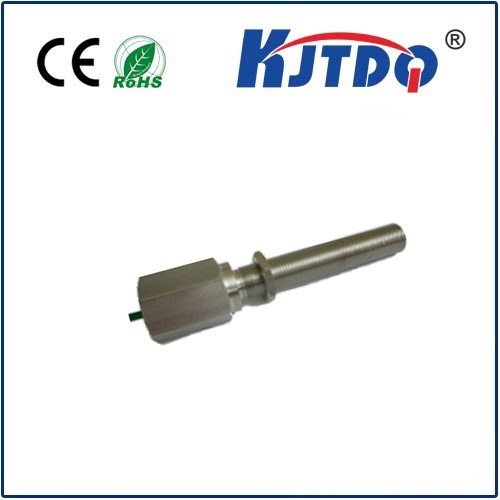
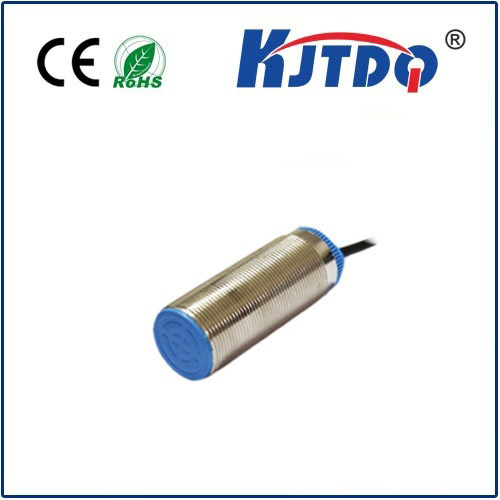
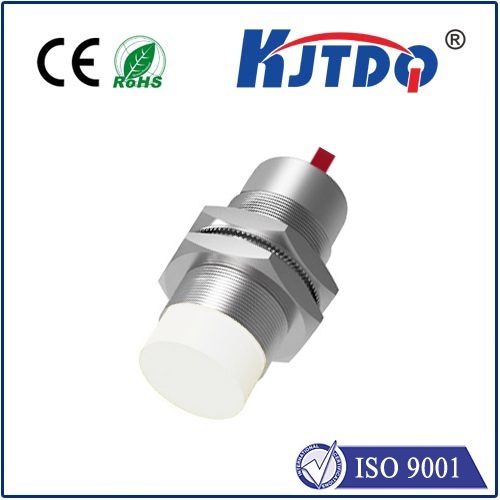
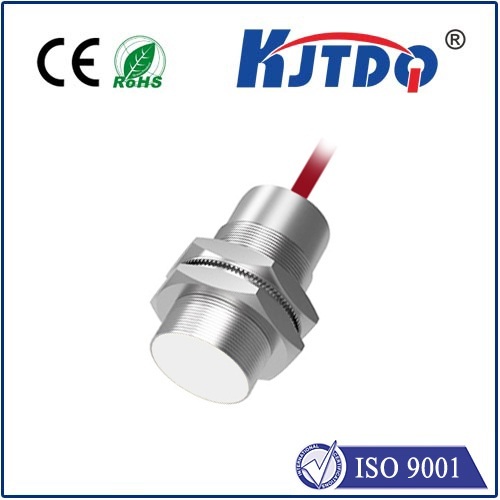
Modern bar benders often utilize robust, industrial-grade limit switches designed to withstand harsh conditions. They are built to resist vibration, dust, and occasional exposure to metal chips or coolant. Common types include lever-arm switches, plunger-style switches, and even proximity sensors in more advanced models. Regular inspection and maintenance of these switches are simple yet vital tasks. Operators should routinely check for physical damage, ensure secure mounting, and verify that the actuator (the lever or plunger) moves freely without obstruction. Cleaning away debris and checking electrical connections can prevent most common failures.
A malfunctioning or misadjusted limit switch can lead to a cascade of problems. Symptoms may include the machine failing to stop at the correct bend angle, producing inconsistent results, or experiencing unexplained fault alarms. Ignoring these signs can result in scrapped materials, damaged dies, and increased safety risks. Therefore, incorporating limit switch checks into a regular preventive maintenance schedule is a best practice that pays substantial dividends.
In conclusion, while the bar bending machine limit switch might be a small component hidden within the machine's frame, its role is indispensable. It is the silent guardian of precision, the enforcer of safety protocols, and a key contributor to operational efficiency and machine longevity. For any operation relying on automated rebar bending, investing attention in understanding, maintaining, and respecting this crucial device is not an option—it's a fundamental requirement for quality, safety, and success in a competitive industry.