check

check

check

check

check

check
In industrial automation and machinery control, precision and reliability are non-negotiable. Among the critical components ensuring operational safety and accuracy, the 2 pole limit switch stands out as a fundamental device. This comprehensive guide delves into the functionality, applications, and selection criteria for 2 pole limit switches, providing essential insights for engineers, maintenance technicians, and procurement specialists.
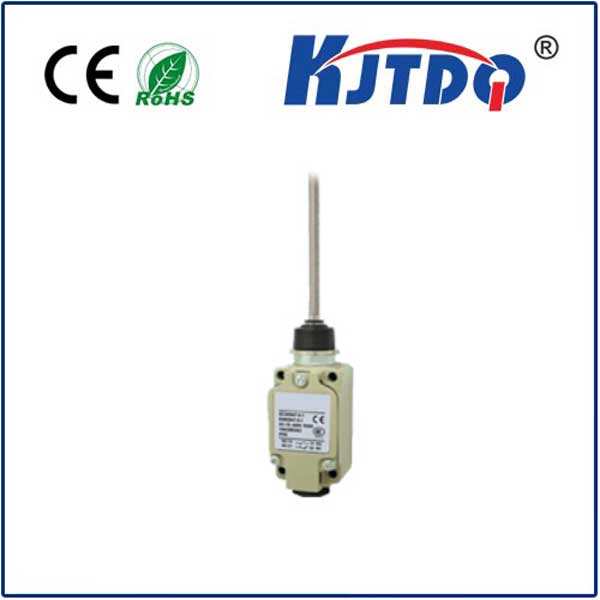
A 2 pole limit switch is an electromechanical device designed to detect the presence or absence of an object, or to monitor the position of a machine part. Unlike single-pole switches, it features two separate sets of contacts, allowing for more complex control circuits. These switches typically operate by physical actuation—such as a lever, roller, or plunger—making contact when a predetermined limit is reached. This action opens or closes electrical circuits, sending signals to control systems to start, stop, or alter machine functions. The dual-pole design enhances versatility, enabling simultaneous control of two independent circuits, which is crucial for applications requiring redundancy or multi-step processes.
The importance of 2 pole limit switches in industrial settings cannot be overstated. They serve as vital safety mechanisms, preventing over-travel in machinery like conveyor belts, cranes, and automated assembly lines. For instance, in packaging equipment, these switches ensure that moving parts halt precisely at designated points, reducing product damage and minimizing downtime. In HVAC systems, they monitor damper positions, optimizing energy efficiency. The robust construction of industrial-grade limit switches, often featuring metal housings and sealed against dust and moisture, ensures durability in harsh environments, from manufacturing floors to outdoor installations.
When selecting a 2 pole limit switch, several factors must be considered to match the device with specific operational needs. First, assess the electrical ratings, including voltage and current capacity, to ensure compatibility with existing systems. Next, evaluate the actuator type—lever actuators are ideal for sweeping motions, while plunger suits linear movements. Environmental conditions also play a key role; for wet or corrosive areas, switches with IP67 or higher ingress protection are recommended. Additionally, consider the mechanical life expectancy, often measured in millions of cycles, to guarantee long-term performance. Brands like KJTDQ emphasize quality, offering switches tested for reliability under extreme temperatures and vibrations, making them a trusted choice in sectors like automotive manufacturing and material handling.
Installation and maintenance are straightforward but require attention to detail. Mount the switch securely to avoid misalignment, which could lead to false triggering. Regularly inspect actuators for wear and clean contacts to prevent oxidation. In case of malfunctions, common issues include stuck actuators or eroded contacts—addressing these promptly can prevent costly machine failures. For optimal results, integrate 2 pole limit switches with programmable logic controllers (PLCs) to enable advanced automation, allowing real-time monitoring and adjustments.
Innovations in limit switch technology continue to evolve, with smart switches now offering diagnostic features like predictive maintenance alerts. However, the core principle remains unchanged: providing dependable control through simple mechanical action. As industries embrace Industry 4.0, the 2 pole limit switch remains a cornerstone, bridging traditional machinery with modern automation. By understanding its capabilities and proper implementation, businesses can enhance safety, boost productivity, and reduce operational risks.
In summary, the 2 pole limit switch is an indispensable tool for precise machine control. Its dual-circuit functionality, combined with rugged design, makes it suitable for diverse applications. Whether you're upgrading existing equipment or designing new systems, prioritizing quality components from reputable suppliers ensures seamless integration and lasting performance. For those seeking reliable solutions, exploring options like KJTDQ's range can provide the durability and precision needed to keep operations running smoothly.