check

check

check

check

check

check
In the intricate world of heating, ventilation, and air conditioning (HVAC) systems, numerous components work in silent harmony to ensure our comfort and safety. Among these unsung heroes is the AC limit switch, a critical safety device that often goes unnoticed until a problem arises. This small but mighty component plays a pivotal role in preventing system damage, enhancing energy efficiency, and safeguarding both the equipment and the building it serves.
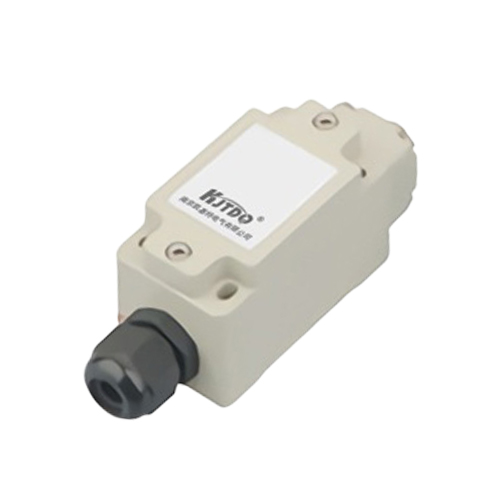
An AC limit switch, also known as a high-limit switch or fan limit switch, is a temperature-sensitive control device typically found within the furnace or air handler of a central air conditioning or heating system. Its primary function is to monitor the temperature of the heat exchanger or plenum. Think of it as a vigilant guardian, constantly checking for potentially dangerous conditions. When the system is operating normally, the switch remains closed, allowing the sequence of operations—like the blower fan turning on—to proceed uninterrupted. However, if the temperature inside the unit rises to a predetermined, unsafe level—often due to restricted airflow, a dirty filter, or a malfunctioning component—the limit switch "opens." This action breaks the electrical circuit, effectively shutting down the burner in a furnace or the compressor in an air conditioning system to prevent overheating.
The consequences of a faulty or absent limit switch can be severe. Overheating is a primary concern. Without this safety cutoff, excessive heat can warp the heat exchanger, damage electrical components, and in extreme cases, pose a serious fire hazard. Furthermore, a properly functioning limit switch contributes directly to system efficiency. It ensures the blower fan operates for an adequate period after the heating cycle ends, circulating residual heat through the ductwork instead of letting it go to waste trapped in the furnace. This not only improves comfort by reducing cold drafts but also maximizes the energy used.
Common symptoms of a failing AC limit switch are often misinterpreted. A frequent sign is short cycling, where the system turns on and off rapidly without completing a full cycle. The furnace or air conditioner may start but then shut down prematurely, only to restart minutes later. Another telltale sign is the blower fan not turning on when it should, or conversely, running continuously without stopping. If you notice your system is not heating or cooling effectively despite running, or if you hear unusual clicking sounds from the control panel, a limit switch issue could be the culprit. It's crucial to address these warnings promptly.
While understanding the function is valuable, working on an AC limit switch is a task best left to certified HVAC professionals. Diagnosing the issue requires specific tools, such as a multimeter, to test for electrical continuity. Technicians will first ensure basic maintenance issues aren't the root cause, like an extremely dirty air filter blocking airflow. Replacing a limit switch involves safely disconnecting power, locating the switch (usually mounted on or near the furnace plenum), disconnecting its wires, and installing an identical replacement. Using the correct model with the same temperature rating is non-negotiable for safety.
Regular HVAC maintenance is the most effective strategy to prevent limit switch problems. Homeowners and facility managers can contribute by consistently replacing air filters every one to three months. This simple act ensures proper airflow, which is the most common reason for a limit switch to trip. Scheduling annual professional tune-ups allows a technician to clean components, check electrical connections, and verify the switch is calibrated and operating correctly. A well-maintained system reduces strain on all parts, including the limit switch, leading to longer equipment life, lower energy bills, and uninterrupted comfort.
In essence, the AC limit switch is a fundamental pillar of modern HVAC system design, embodying the principle of fail-safe operation. It operates silently in the background, requiring no daily attention, yet its role is indispensable. It protects your significant investment in HVAC equipment from catastrophic failure, contributes to efficient energy use, and provides an essential layer of safety for your home or building. Recognizing its importance underscores the value of professional installation and routine maintenance, ensuring this small device can continue its vital guard duty for years to come.