check

check

check

check

check

check
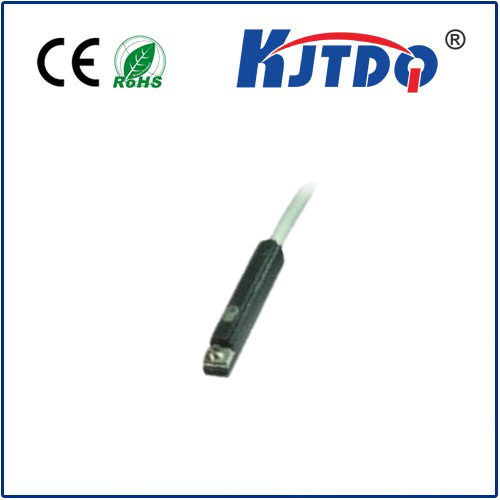
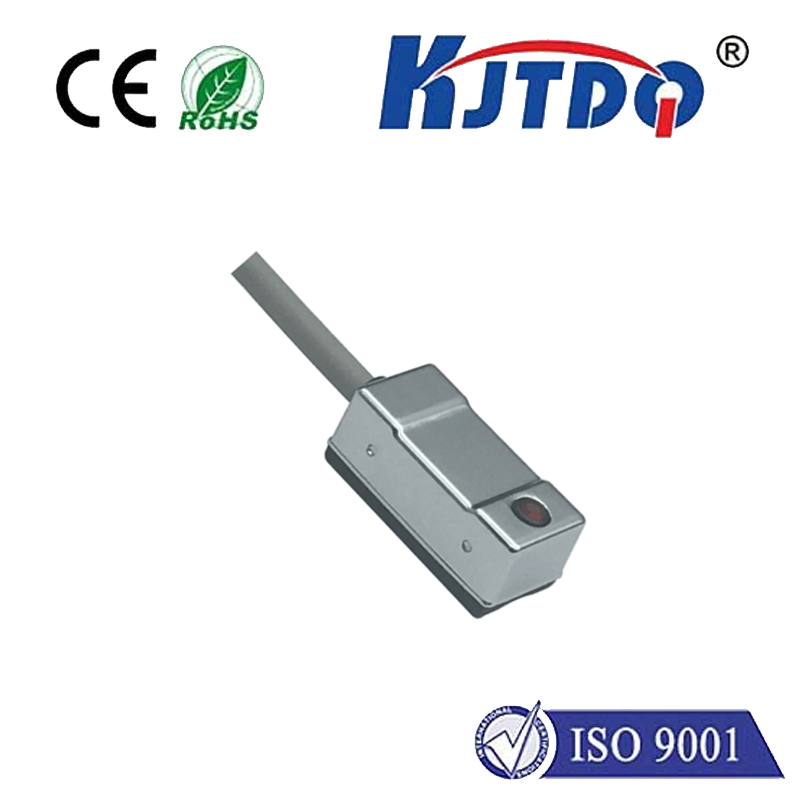
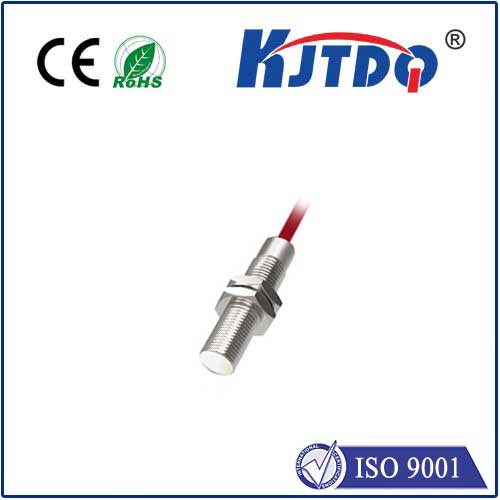
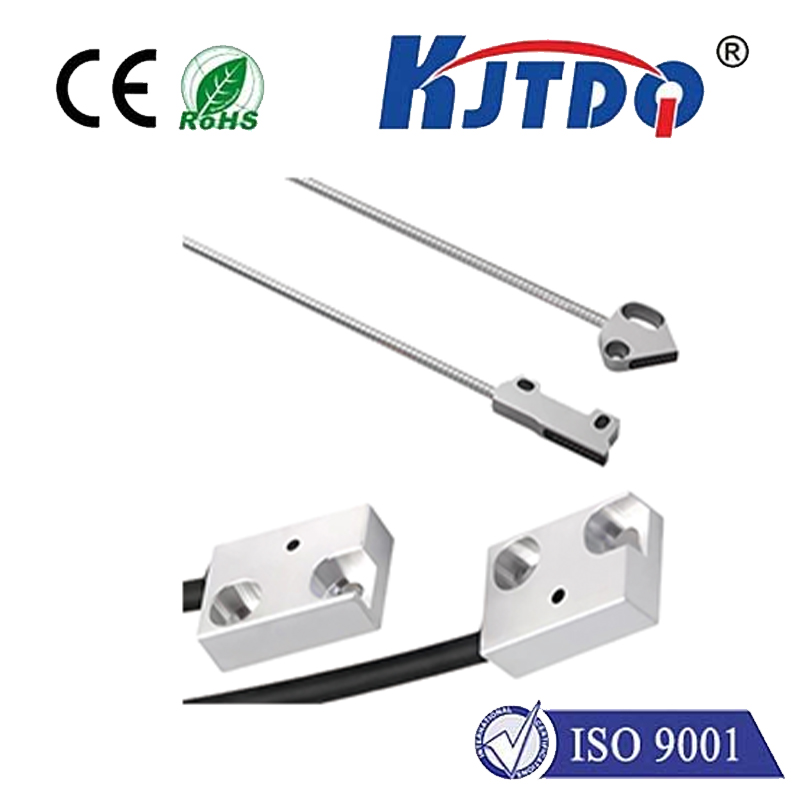
In the world of industrial automation and machinery, the quest for reliability, precision, and durability is never-ending. Traditional mechanical limit switches, with their moving parts and physical contacts, have long been the standard for detecting the presence or position of an object. However, they are prone to wear, tear, and failure due to their inherent mechanical nature. This is where the solid state limit switch emerges as a transformative solution, offering a leap forward in performance and longevity. Unlike its mechanical counterparts, a solid state limit switch operates without any moving parts. It utilizes electronic components, such as Hall-effect sensors, inductive proximity sensors, or capacitive sensors, to detect the presence of a target. This fundamental difference brings a host of advantages that are critical for modern, demanding industrial environments. The core principle involves generating an electromagnetic field or using optical principles. When a target object enters this sensing field, it causes a change in the circuit's state, triggering a solid-state output signal. This signal is then used to control machinery—stopping a conveyor belt, indicating a door is closed, or signaling the end of a linear actuator's travel. The absence of physical contact between the sensor and the target is the key to its robustness. One of the most significant benefits is exceptional longevity. With no mechanical arms, springs, or contacts to wear out or become misaligned, solid state switches can endure hundreds of millions of cycles. This dramatically reduces maintenance downtime and replacement costs. They are inherently more reliable in harsh conditions, resisting damage from vibration, shock, and repeated operation. Furthermore, they offer remarkable precision and speed. The response time of a solid-state device is typically measured in microseconds, far faster than any mechanical switch can achieve. This allows for high-speed counting, positioning, and control applications where timing is critical. The actuation point is also highly consistent and repeatable, eliminating the variability often seen with mechanical wear. Environmental resilience is another standout feature. High-quality solid state limit switches are often housed in rugged, sealed enclosures with high Ingress Protection (IP) ratings. This makes them impervious to dust, dirt, moisture, oils, and corrosive chemicals that would quickly degrade a mechanical switch. They can operate reliably in extreme temperatures where mechanical parts might freeze or become brittle. From a design and integration perspective, these switches offer greater flexibility. They come in various form factors—tubular, rectangular, or even miniature sizes—to fit into tight spaces. Their solid-state outputs (like PNP/NPN transistors) interface seamlessly with modern Programmable Logic Controllers (PLCs) and other digital control systems. Many models also feature built-in diagnostics, such as LED status indicators, providing immediate visual feedback for troubleshooting. While the initial investment for a solid state limit switch might be higher than a simple mechanical unit, the total cost of ownership over the equipment's lifecycle is often lower. The savings accrued from eliminated maintenance, prevented machine downtime, and improved process reliability provide a compelling return on investment. Industries such as packaging, material handling, automotive manufacturing, and food & beverage processing are increasingly adopting this technology for critical control points. In conclusion, the solid state limit switch represents a significant evolution in sensing technology. By replacing moving parts with solid-state electronics, it delivers unmatched reliability, speed, and durability. For engineers and plant managers looking to enhance system uptime, reduce maintenance burdens, and achieve finer control, integrating solid state limit switches is a forward-thinking strategy. It's not merely an alternative to mechanical switches; it is the definitive upgrade for building smarter, more resilient, and more efficient automated systems for the future.