check

check

check

check

check

check
In industrial automation and process control environments, limit switches play a critical role in monitoring and controlling the position of machinery. The Topworx DXP series represents a robust and reliable line of limit switches designed for demanding applications. This manual serves as a detailed, user-focused guide to understanding, installing, configuring, and maintaining your DXP limit switch, ensuring optimal performance and longevity.
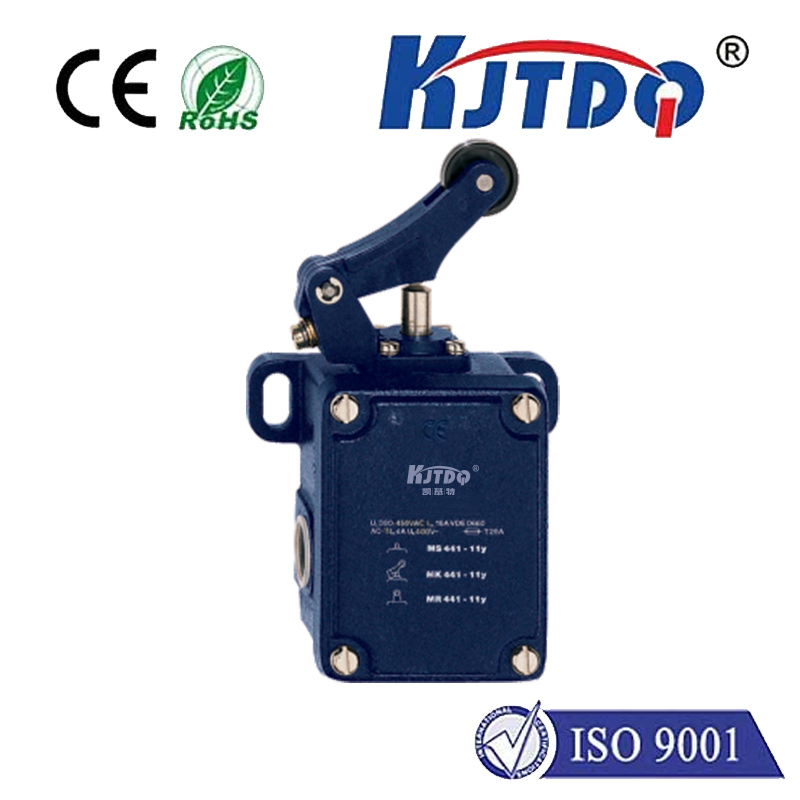
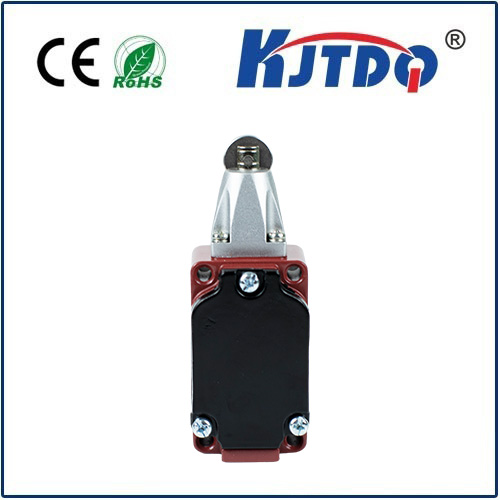
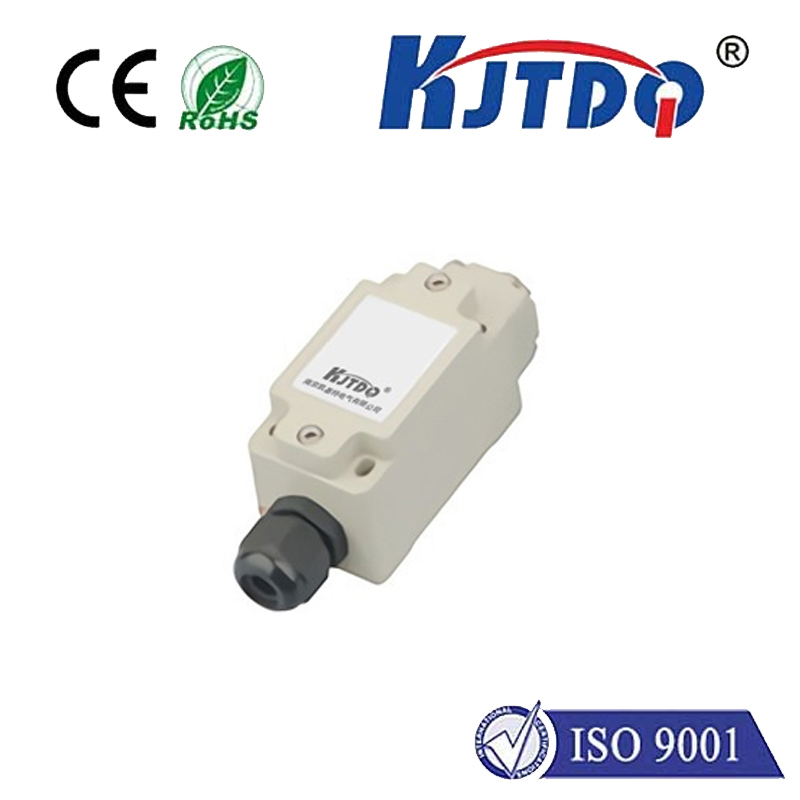
The Topworx DXP limit switch is engineered for durability in harsh conditions, featuring a rugged housing that provides excellent resistance to moisture, dust, and mechanical impact. Its design often incorporates a precision snap-action switch mechanism, ensuring accurate and repeatable actuation. Before beginning any installation, it is paramount to review the specific model's datasheet provided by Topworx, as specifications like voltage/current ratings, electrical connection type (e.g., plug-in or hardwired), actuator style (roller lever, plunger, etc.), and enclosure rating (IP, NEMA) can vary.
Installation begins with ensuring the machinery is completely de-energized and locked out (LOTO procedure) to guarantee safety. Select a mounting location that allows the switch's actuator to interact correctly with the target machine part (cam, lever, or other moving component). The alignment is crucial; the actuator should engage smoothly without being over-traveled or jammed, which could cause premature failure. Use appropriate hardware to securely fasten the switch to its mounting bracket or surface, preventing vibration from loosening it over time.
Wiring the DXP switch correctly is the next critical step. Typically, the switch will have clearly marked terminals (e.g., common (C), normally open (NO), and normally closed (NC)). Refer to the wiring diagram on the switch's label or in the official manual. Use wires of the correct gauge for the electrical load and ensure all connections are tight and insulated. For plug-in models, ensure the connector is fully seated and locked. After wiring, a thorough visual inspection for any pinched wires or loose connections is essential before applying power.
Once installed and wired, operational testing is necessary. Slowly and carefully cycle the machinery to observe the switch's actuation. Verify that the switch changes state (opens or closes the circuit) at the exact desired position. Many DXP switches offer minimal adjustment capabilities for fine-tuning the actuation point. Proper setting prevents false signals and ensures the controlled machine operates within its safe limits. It's good practice to test both the "make" and "break" positions of the switch.
Routine maintenance is key to reliable operation. Establish a periodic inspection schedule. Check the switch housing for any signs of physical damage, corrosion, or fluid ingress. Inspect the actuator arm or lever for wear or bending. Ensure the mounting remains secure. Listen for any unusual sounds during operation, like a "mushy" click instead of a crisp one, which might indicate internal wear. Cleaning the exterior with a soft, dry cloth is usually sufficient; avoid using harsh solvents that could degrade seals.
Common issues users may encounter include failure to actuate, intermittent signal, or constant actuation. Troubleshooting should always start with safety: isolate the power. Check for obvious mechanical issues like a broken actuator or misalignment. Use a multimeter to test for continuity across the switch terminals while manually operating the actuator to see if the electrical state changes correctly. Verify the load (e.g., the relay or PLC input) is functioning. Often, problems stem from loose wiring, environmental contamination, or mechanical wear rather than an internal switch failure.
The Topworx DXP limit switch, when selected correctly for the application and installed following these guidelines, provides years of dependable service. It is a vital component in safeguarding equipment, enabling automated sequences, and providing positional feedback. Always prioritize the official Topworx documentation for your specific model number for the most accurate technical data, explosion-proof certifications, or special configuration instructions. Proper understanding and handling of this device not only maximize efficiency but also significantly contribute to overall plant safety.