check

check

check

check

check

check
In industrial automation and control systems, a fundamental component ensures both operational efficiency and critical safety: the limit switch. Among the various types available, the SPST (Single Pole, Single Throw) limit switch stands out for its simplicity, reliability, and widespread utility. This article delves into the mechanics, applications, and key considerations for this essential device, providing a clear guide for engineers and procurement specialists.
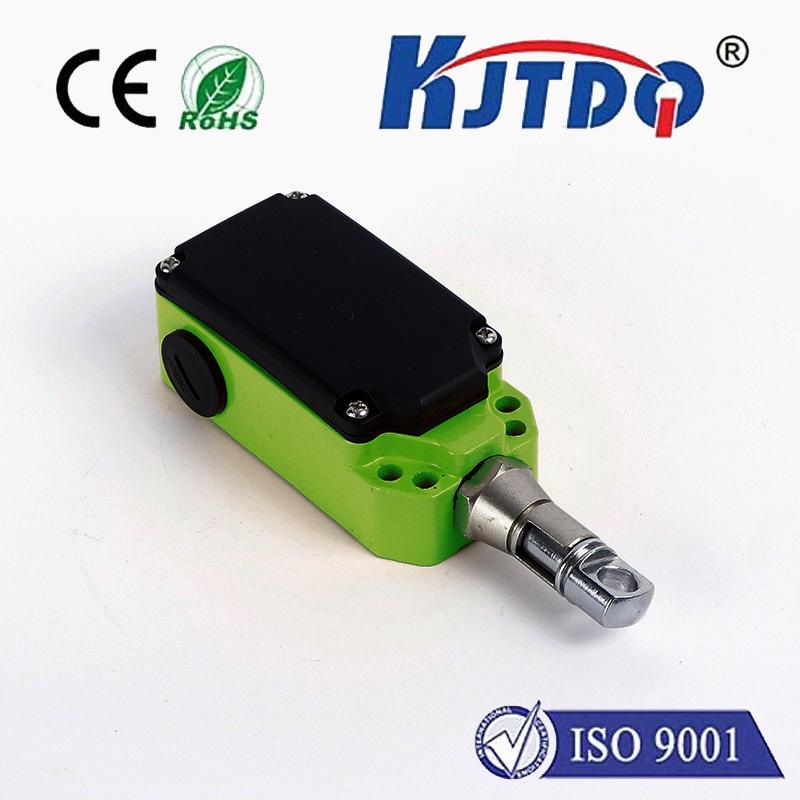
At its core, an SPST limit switch is an electromechanical device designed to detect the presence or absence of an object, or to monitor the limits of mechanical motion. The "Single Pole, Single Throw" designation refers to its internal electrical configuration. It features one set of contacts that can either be normally open (NO) or normally closed (NC). In a typical NO configuration, the circuit is open when the switch actuator is in its resting position. When an object contacts the actuator (like a cam on a moving machine part), the switch is triggered, the contacts close, and the circuit is completed, sending a signal to the control system. The NC configuration works inversely, breaking the circuit upon actuation.
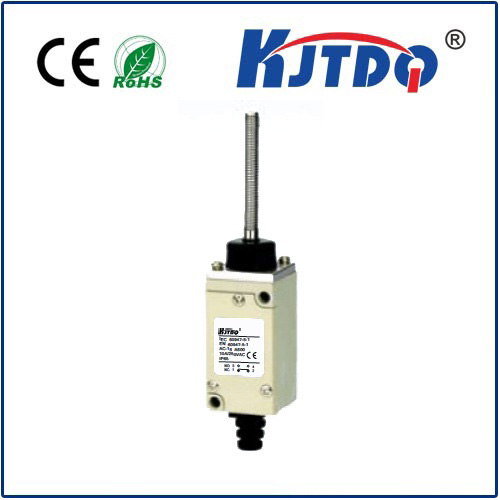
The physical design of an SPST limit switch is built for durability in harsh environments. Key components include a robust housing, often made of metal or high-grade plastic, which protects the internal switching mechanism from dust, moisture, oil, and physical impact. The actuator—the part that makes physical contact—comes in various forms: lever arms, roller plungers, push rods, or whisker types. The choice of actuator depends on the specific application, required precision, and the nature of the moving object to be detected. Sealing to standards like IP67 is common, ensuring reliable operation in demanding conditions such as manufacturing floors, packaging lines, and material handling systems.
The applications of SPST limit switches are vast and integral to automated processes. A primary use is as an end-of-travel sensor. For instance, on an automated conveyor system, SPST limit switches are positioned at the start and end points. When a moving cart or carrier reaches the end, it depresses the switch's actuator, signaling the motor to stop, thus preventing overtravel and potential damage. Similarly, in machine tools like lathes or presses, these switches define the safe limits of a cutting head or press ram, ensuring tools do not crash into machine frames.
Beyond simple positioning, they play a crucial role in safety interlocks. On protective guards or access doors for industrial machinery, an SPST limit switch (often in a NC configuration for fail-safe operation) is installed. If the guard is opened while the machine is running, the switch actuates and immediately breaks the control circuit, halting operation to protect personnel. This simple, direct-action safety feature is irreplaceable in many contexts. They are also ubiquitous in counting and sorting operations, where each actuation by a passing item registers as a count, or triggers a diverter arm to route products down different paths.
When selecting an SPST limit switch for a project, several technical specifications demand attention. The electrical rating, including voltage (AC or DC) and current capacity, must match the control circuit's requirements. The mechanical life expectancy, often rated in millions of operations, indicates durability. Operating force and travel (pre-travel and over-travel) define the sensitivity and physical movement needed to actuate the switch. Environmental factors are paramount; switches used in washdown areas in food processing require stainless steel housings and high IP ratings, while those in foundries must withstand extreme temperatures.
Installation and maintenance are straightforward but critical for long-term reliability. Proper alignment of the actuator with the moving target is essential to avoid false triggers or missed signals. Regular inspection for wear on the actuator arm or roller, accumulation of debris, and integrity of the wiring connections can prevent unexpected downtime. While solid-state proximity sensors offer non-contact alternatives, the SPST limit switch remains favored for applications requiring physical confirmation, high current switching capability directly, and a tangible, audible feedback upon actuation that operators can often hear or feel.
In conclusion, the SPST limit switch is a testament to elegant, robust engineering. Its straightforward design belies its critical importance in automating machinery, ensuring positional accuracy, and safeguarding both equipment and human operators. From controlling the simple movement of a garage door to orchestrating complex robotic assembly lines, this device continues to be a cornerstone of industrial control. Understanding its function and proper application is key to designing efficient, safe, and reliable automated systems that form the backbone of modern manufacturing and logistics.