check

check

check

check

check

check
In the world of industrial automation, the limit switch stands as a cornerstone of control and safety. The process to limit switch make involves precision engineering to create devices that reliably detect the presence or absence of an object, ensuring machinery operates within safe parameters and sequences execute flawlessly. This guide delves into the intricacies of limit switch manufacturing, highlighting why quality in the make is non-negotiable for system integrity.
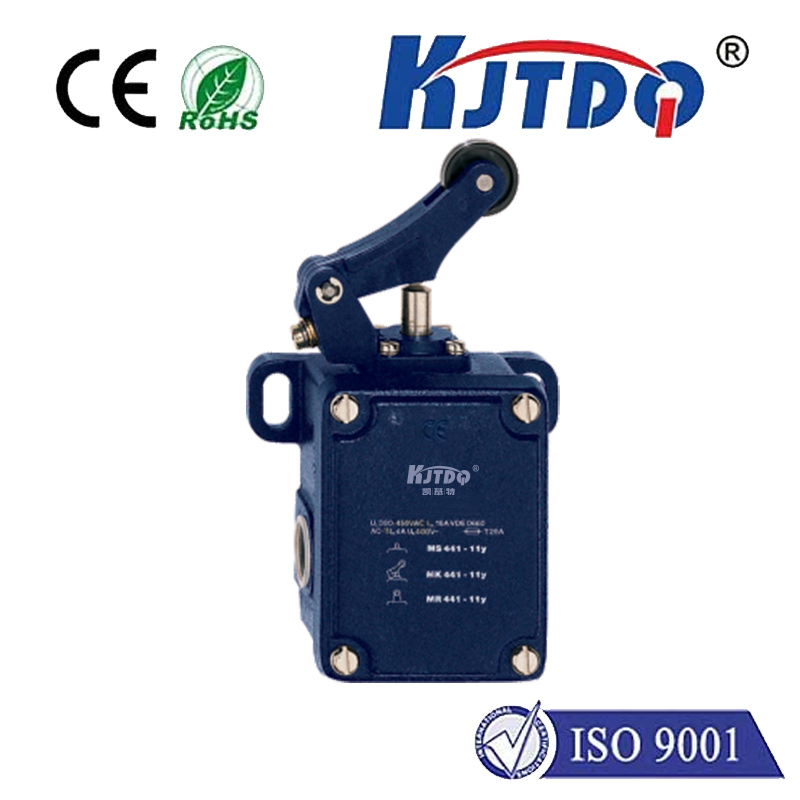
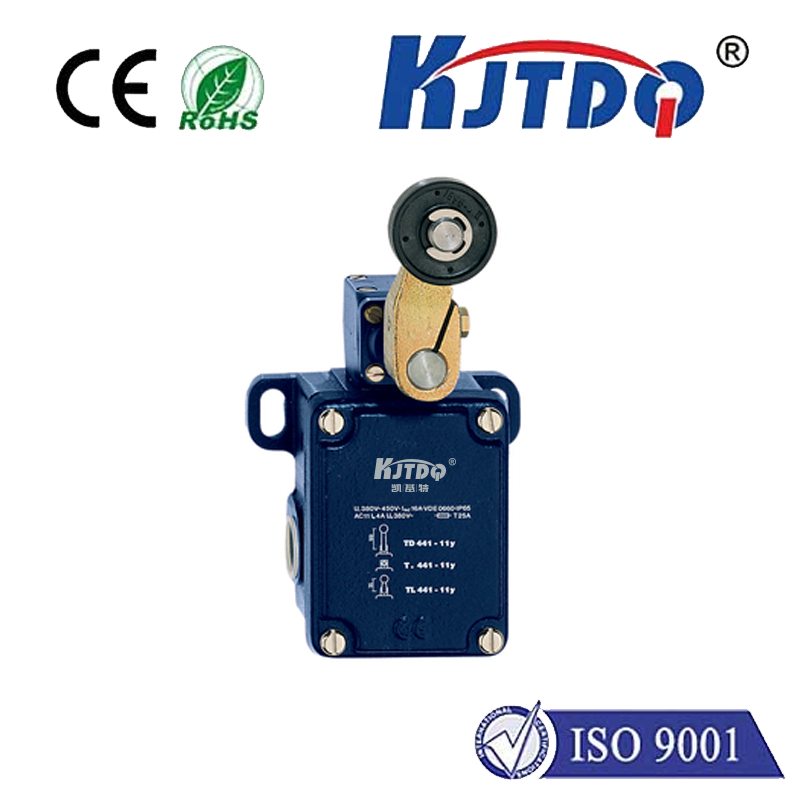
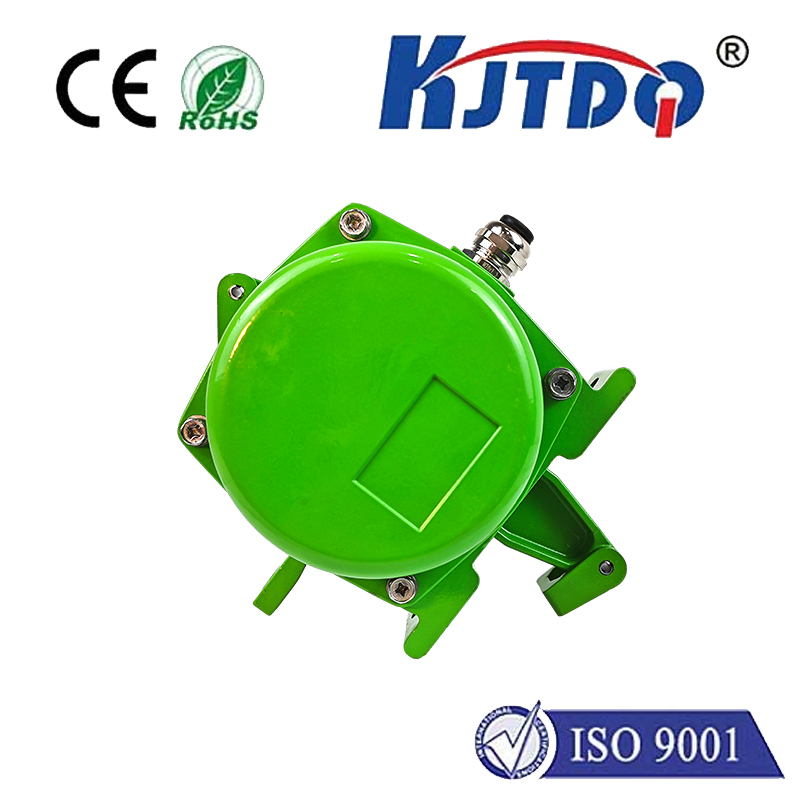
A limit switch is an electromechanical device containing an actuator mechanically linked to a set of contacts. When an object contacts the actuator, the switch operates to make or break an electrical connection. The fundamental principle is simple, but the execution—the *make*—determines everything. Superior manufacturing processes ensure the housing is robust, capable of withstanding harsh environments involving dust, moisture, and extreme temperatures. The internal contacts, often made from silver or gold alloys, are designed for minimal arcing and long life, guaranteeing millions of reliable cycles. The actuator arm's design and material, whether lever, roller, or plunger, are tailored for specific applications to provide accurate and repeatable triggering.
The journey to limit switch make begins with design. Engineers must consider the operational environment, the force required for actuation, electrical load specifications, and required safety certifications. For instance, a limit switch destined for a packaging machine may prioritize high-speed operation and dust resistance, while one for a heavy-duty crane might focus on immense mechanical strength and ingress protection. Advanced CAD software and simulation tools model performance under stress, thermal conditions, and repetitive use before a single prototype is built. This digital prototyping is crucial for optimizing the *make*, reducing failure points, and extending service life.
Material selection is paramount. The external casing is typically forged from zinc-aluminum alloys or stainless steel, offering corrosion resistance and durability. Seals made from nitrile or Viton® keep out contaminants. Internally, the choice of spring mechanism defines the switch's actuation force and reset characteristics. The heart of the switch—the contacts—must maintain low electrical resistance even after countless operations. Manufacturers who excel in their limit switch make employ rigorous quality control, testing each batch for dielectric strength, contact resistance, and mechanical endurance.
In application, a well-made limit switch is the unsung hero on the factory floor. It provides end-of-travel control for actuators, confirms the position of robotic arms, acts as a safety interlock on guard doors, and counts objects on a conveyor. Its reliability directly impacts productivity and safety. A failure can lead to machine damage, production halts, or even hazardous situations. Therefore, partnering with a manufacturer renowned for its meticulous limit switch make is an investment in operational continuity. Look for manufacturers with a proven track record, adherence to international standards like IEC 60947-5-1, and the ability to provide custom solutions.
The evolution of limit switch make continues with the integration of smart features. While traditional electromechanical switches remain vital, modern variants may include solid-state electronics for faster response, diagnostic LEDs, or even IO-Link connectivity for digital data exchange, enabling predictive maintenance. However, the core principle remains: a physically robust, precisely engineered mechanical action.
Ultimately, understanding what goes into a superior limit switch make empowers engineers and procurement specialists to make informed decisions. It’s not merely about sourcing a component; it’s about selecting a critical piece of system intelligence that ensures precision, safety, and reliability day in and day out. By prioritizing quality in manufacturing, from design to material to testing, businesses can build automation systems that are not only efficient but also resilient and safe, forming the reliable backbone of modern industry.