check

check

check

check

check

check
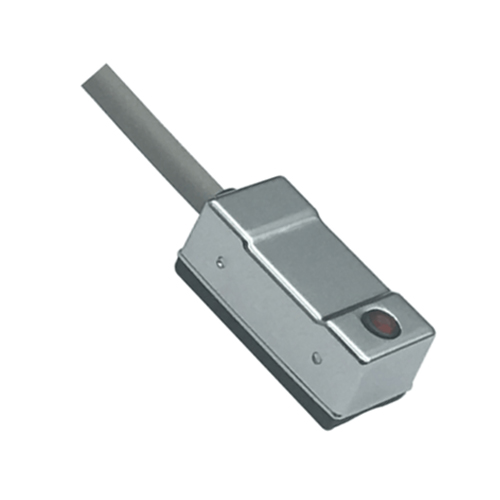
In the world of industrial automation and precision machinery, space is often at a premium. Engineers and designers constantly seek components that deliver robust performance without compromising on compactness. This is where the innovation of the smallest limit switches becomes a game-changer. Among these, the KJTDQ series stands out as a pinnacle of miniaturized engineering, offering reliable functionality in an incredibly small footprint.
A limit switch is a fundamental electromechanical device used to detect the presence or absence of an object, or to monitor positional limits. Traditionally, these switches were relatively bulky, limiting their application in modern, dense electronic assemblies and miniature machinery. The evolution towards miniaturization has been driven by demands from industries such as robotics, medical devices, aerospace, and consumer electronics, where every millimeter counts. The smallest limit switches, like those from KJTDQ, are engineered to meet these stringent spatial constraints while maintaining, and often exceeding, the durability and accuracy of their larger counterparts.
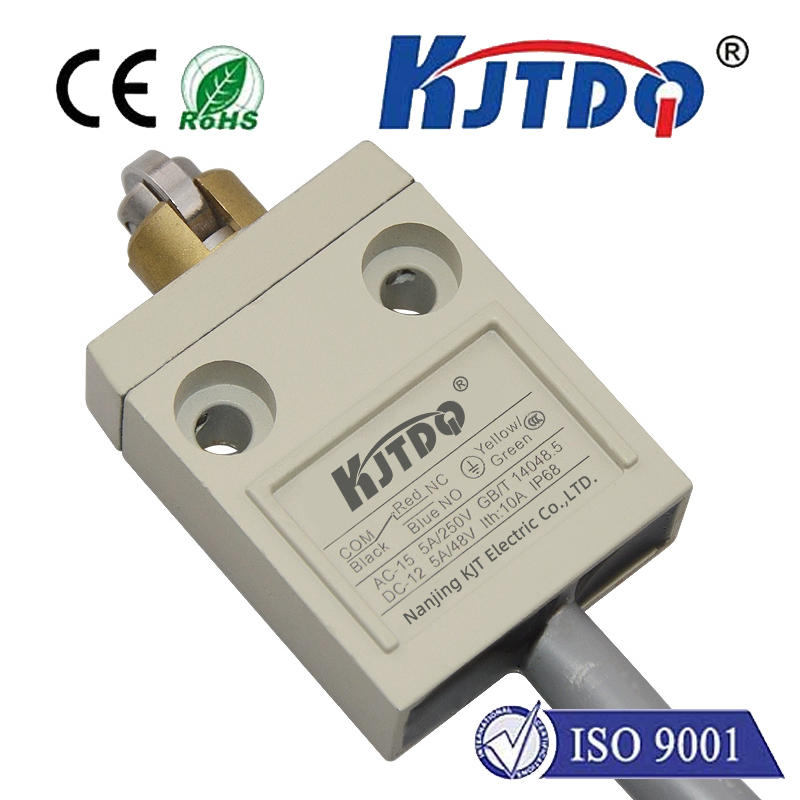
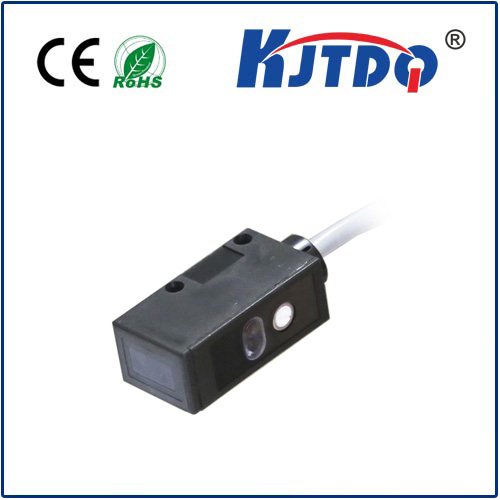
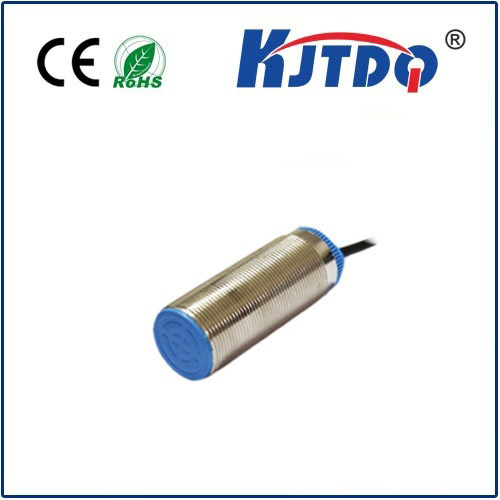
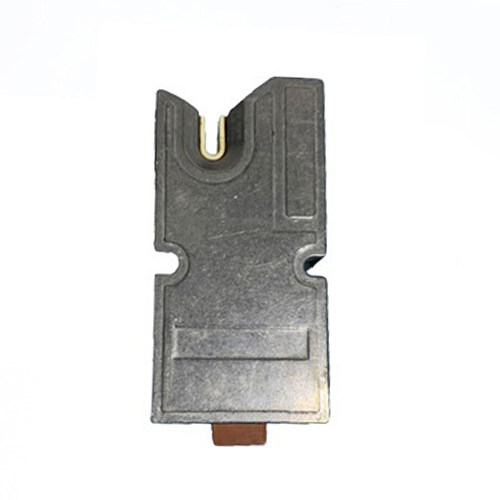
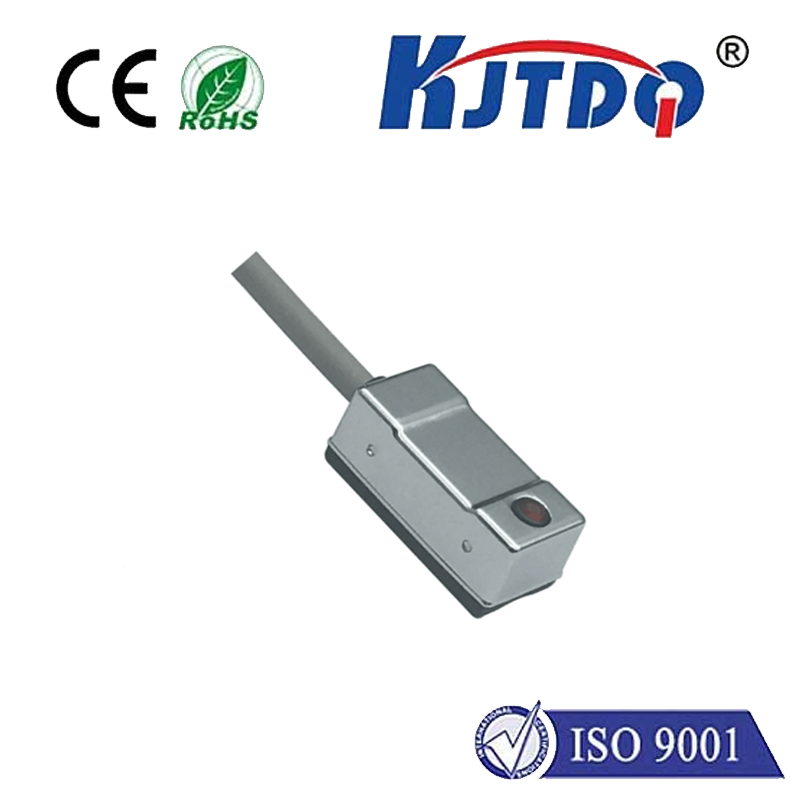
The KJTDQ smallest limit switch exemplifies this advancement. Its design incorporates high-precision micro-switching mechanisms that provide consistent actuation force and clear tactile feedback. Despite its diminutive size, it is built to withstand challenging operational environments. Many models feature sealed housings that offer protection against dust, moisture, and oil ingress, making them suitable for use in cleanrooms, manufacturing lines, or outdoor equipment. The materials used, often high-grade engineering plastics and stainless steel actuators, ensure long-term reliability and resistance to mechanical wear.
The applications for such a compact component are vast and varied. In collaborative robotics, these tiny switches can be integrated into robotic grippers or joints to provide precise end-of-travel detection, ensuring safe and accurate movement. Within medical equipment, they are used in diagnostic devices, drug delivery systems, and surgical tools to confirm the position of components reliably. The consumer electronics industry utilizes them in devices like cameras for lens positioning or in foldable smartphones to detect open and closed states. Furthermore, in automotive applications, they can monitor positions in adjustable seats, steering columns, or compact actuator systems.
Selecting the right miniature limit switch requires careful consideration of several technical parameters. The KJTDQ series typically offers options with different actuator types (e.g., lever, roller plunger, simulated roller) to suit various triggering methods. Electrical ratings, including voltage and current capacity, are crucial to match the control circuit's requirements. Operating force, pre-travel, over-travel, and differential travel are key mechanical specifications that affect sensitivity and precision. Engineers must also consider the electrical lifecycle—the number of reliable operations the switch can perform—which for quality miniature switches can run into millions of cycles.
Installation of these tiny switches, while straightforward, demands attention to detail. Their small size means mounting holes and actuator alignment must be precise. Using appropriate brackets or custom-designed fixtures can ensure optimal performance and prevent misalignment that could lead to premature failure. Wiring, often involving delicate micro-connectors or direct soldering, should be done carefully to avoid stressing the switch terminals.
The benefits of integrating the KJTDQ smallest limit switch into a design are multifold. Primarily, it enables the creation of more compact and lightweight end products without sacrificing control and safety features. This can lead to reduced material costs, lower energy consumption, and more innovative product designs. The reliability of these switches contributes to reduced machine downtime and lower maintenance costs over the product's lifespan. By providing a definitive physical signal for positional control, they add a critical layer of safety and repeatability to automated processes.
In conclusion, the drive for miniaturization in technology is relentless. Components like the KJTDQ smallest limit switch are at the forefront of this trend, proving that size does not dictate capability. By offering a perfect blend of microscopic dimensions, mechanical resilience, and electrical reliability, they empower engineers to push the boundaries of design. For any project demanding precise positional sensing within a severely limited space, specifying a high-quality, miniature limit switch is not just an option—it is an essential step towards achieving optimal performance and innovation.