check

check

check

check

check

check
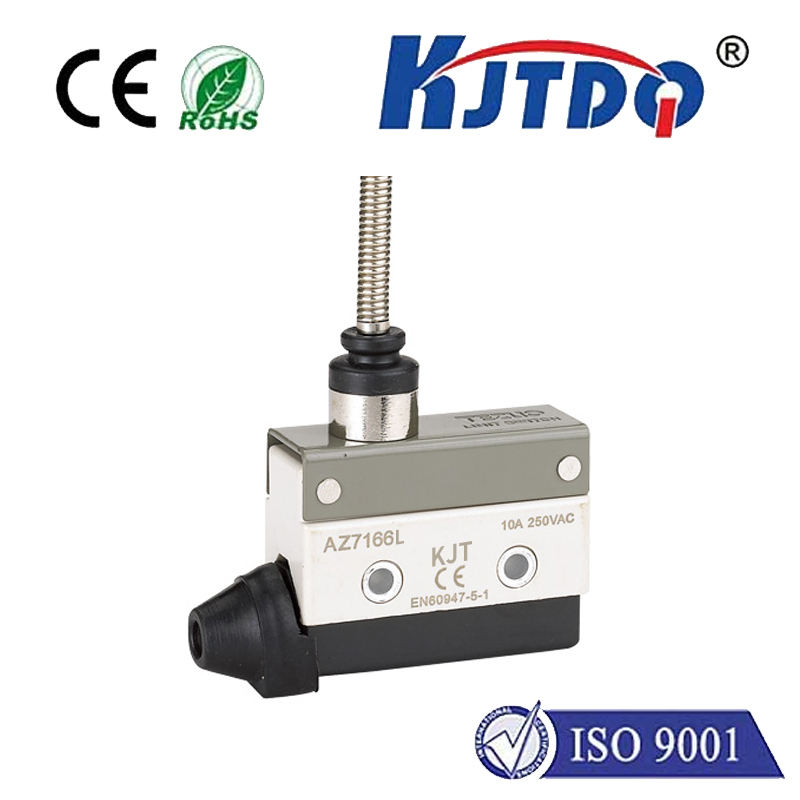
In the world of industrial automation, precision and reliability are non-negotiable. At the heart of countless control systems, from conveyor belts to robotic arms, lies a critical component often overlooked: the limit switch proximity sensor. This device is the silent sentinel, ensuring machines operate within safe parameters and processes execute with flawless timing. Unlike traditional mechanical limit switches that require physical contact, modern proximity sensors offer a non-contact solution, dramatically reducing wear and tear and enhancing system longevity.
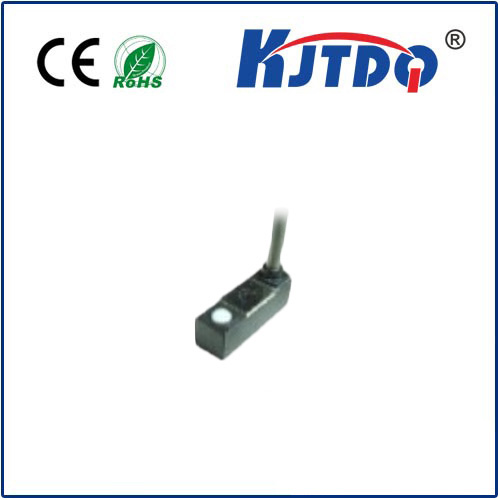
The fundamental principle behind a limit switch proximity sensor is elegantly simple. It detects the presence or absence of a target object within a specified sensing range without any physical contact. This is typically achieved through electromagnetic, inductive, capacitive, or ultrasonic technologies. Inductive sensors, for instance, are ideal for detecting metallic objects, generating an electromagnetic field that is disturbed by a metal target, thereby triggering a switch signal. This non-contact nature eliminates the mechanical failure points associated with levers and rollers, making them exceptionally reliable in harsh environments filled with dust, moisture, or vibration.
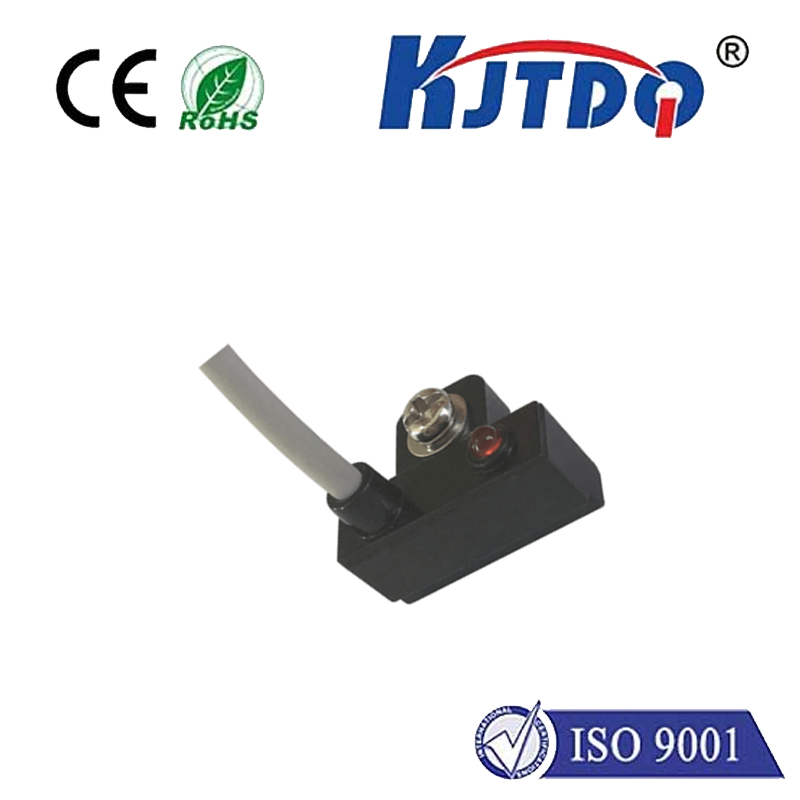
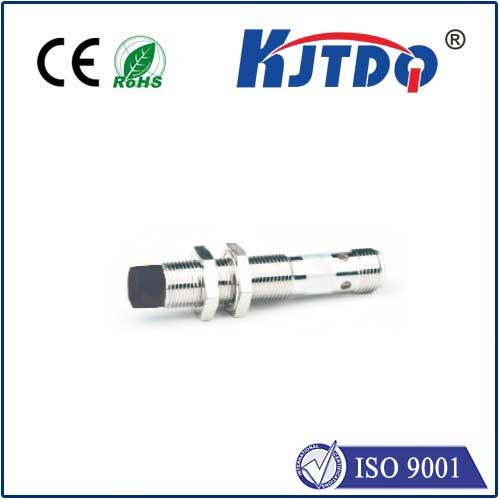
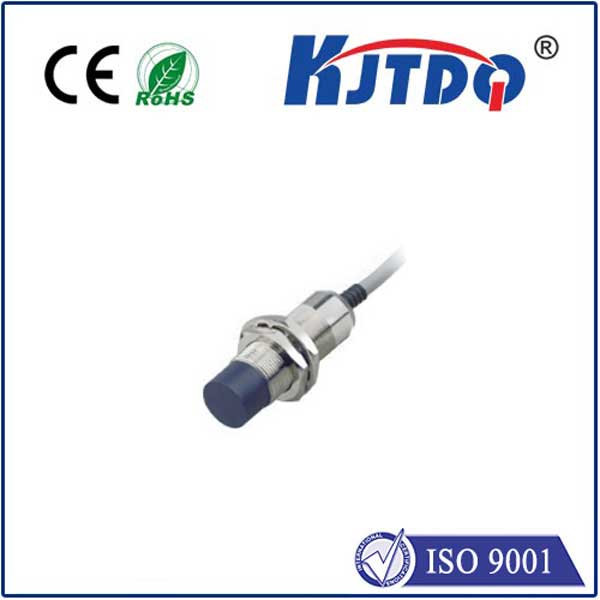
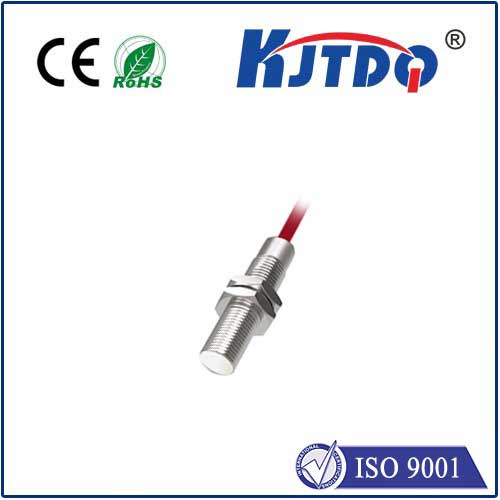
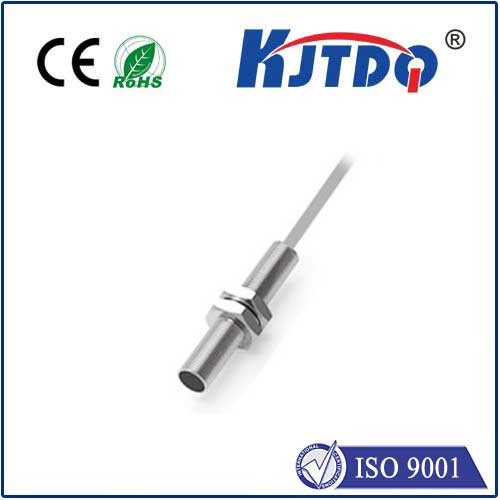
Integrating a KJTDQ limit switch proximity sensor into an automation setup brings transformative benefits. The foremost advantage is unparalleled durability. With no moving parts to jam or break, these sensors boast an exceptionally long operational life, minimizing downtime and maintenance costs. Their response speed is another key asset; they can detect objects and send signals in milliseconds, which is crucial for high-speed production lines where timing is everything. Furthermore, their versatility is remarkable. Available in various shapes, sizes, sensing distances, and output configurations (like NPN or PNP), they can be tailored for specific applications, whether it's counting bottles on a filling line, verifying the position of a machine guard, or initiating the next step in an assembly sequence.
When selecting the right sensor for an application, several factors demand careful consideration. The sensing distance, or the range at which the sensor can reliably detect the target, is paramount. Environmental conditions are equally critical. Will the sensor be exposed to oils, coolants, extreme temperatures, or washdown procedures? For such demanding settings, sensors with high IP (Ingress Protection) ratings, such as IP67 or IP69K, are essential. The output type must also match the control system's input requirements. A thorough understanding of the target material's properties—whether it's steel, aluminum, plastic, or liquid—will guide the choice between inductive, capacitive, or other sensing technologies.
Real-world applications of these sensors are vast and varied. In automotive manufacturing, they ensure robotic welders are in the correct position before firing. In packaging machinery, they verify that a case is present before applying a label. On automated storage and retrieval systems, they provide precise positional feedback for lifts and shuttles. The reliability of a KJTDQ limit switch proximity sensor ensures that these processes run smoothly, preventing costly errors and potential equipment damage.
Installation and maintenance, while straightforward, require attention to detail. Proper alignment between the sensor and the target is crucial for consistent operation. Ensuring a stable power supply and protecting the cable from stress and abrasion will prevent premature failures. Regular functional checks, often as simple as observing the sensor's indicator LED during target presentation, are a best practice for proactive maintenance.
In conclusion, the evolution from mechanical contact switches to advanced non-contact proximity sensors represents a significant leap in automation technology. A high-quality limit switch proximity sensor, like those from the KJTDQ series, is not merely a component but a foundational element for building resilient, efficient, and intelligent automated systems. By providing accurate, wear-free detection, it empowers engineers to design machinery that is safer, more productive, and capable of operating continuously in challenging industrial landscapes, ultimately driving operational excellence and competitive advantage.